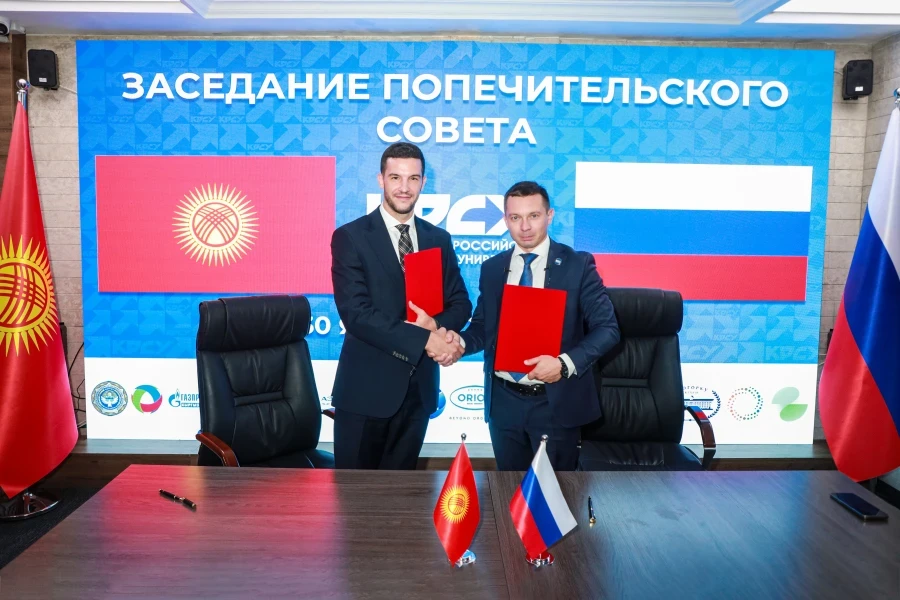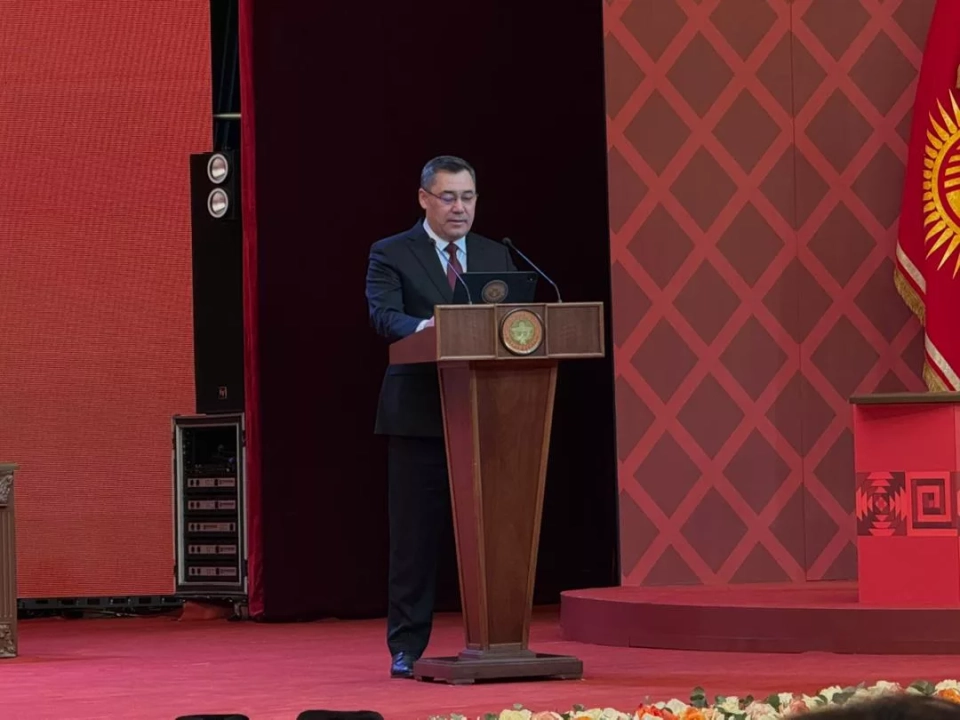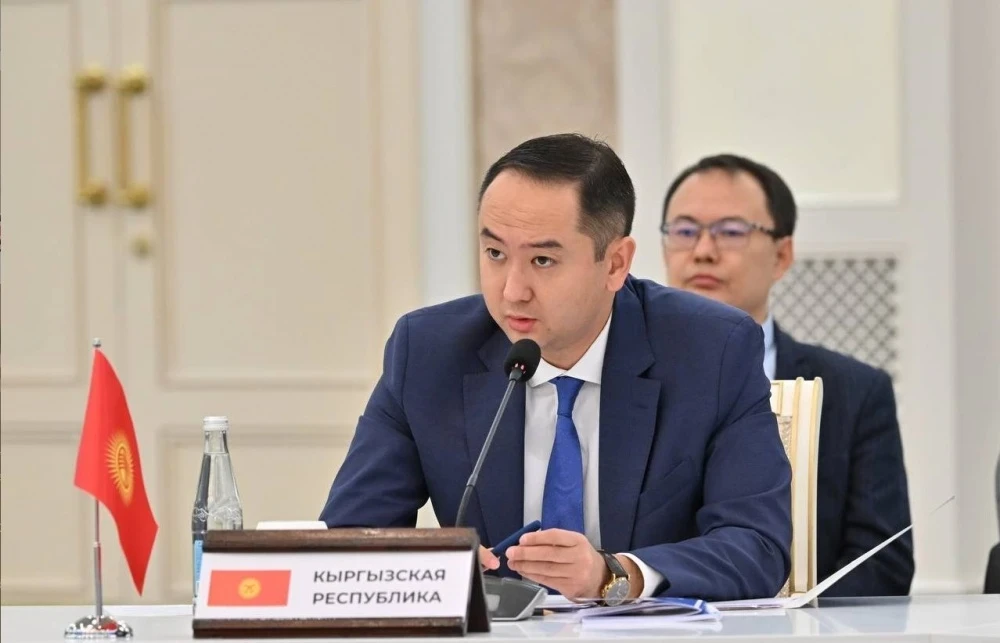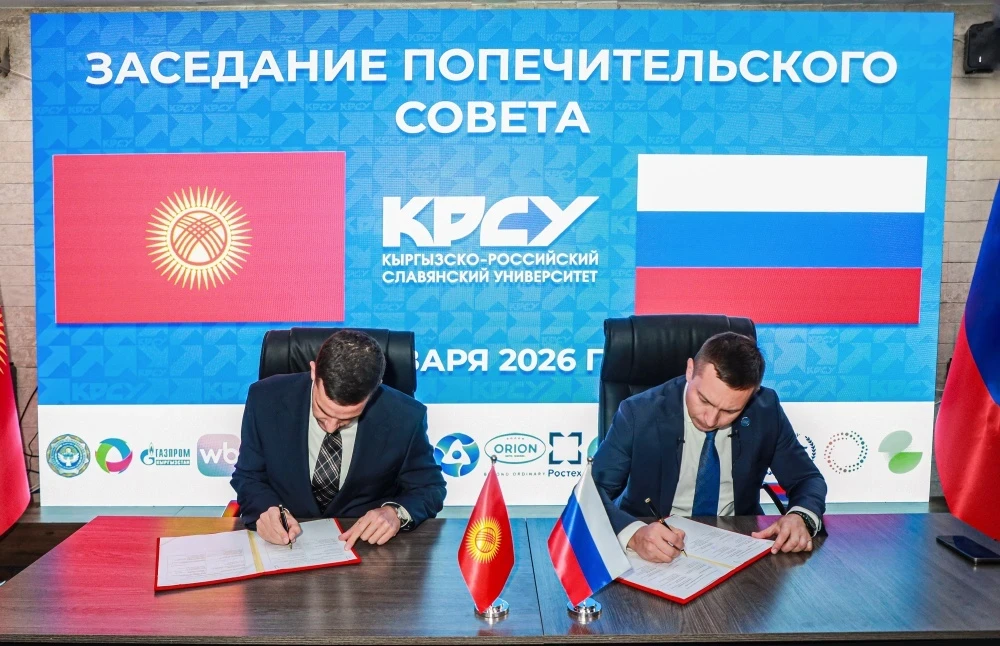
A signing ceremony took place in Bishkek regarding the implementation of additive technologies in the renewable energy sector of Kyrgyzstan. This was reported by the State Corporation "Rosatom".
The agreement envisions the use of metal 3D printing to create equipment for both new and existing hydropower facilities. This will accelerate the production process and localize part of it within the republic.
The document was signed by the Fuel Division of "Rosatom" through the business direction "Additive Technologies", the Kyrgyz-Russian Slavic University named after B. N. Yeltsin, a representative of "Rosatom" in Kyrgyzstan, and the engineering company LLC "Boka Hydro KG". The agreement covers all stages of cooperation: from the preparation of project documentation to the supply of equipment to interested parties.
3D printing technologies will be utilized to produce the necessary parts and components for hydropower generation. This is particularly relevant for small and medium-sized hydropower plants, where traditional production methods can be costly and time-consuming.
Ilya Kavelashvili, the director of the business direction "Additive Technologies" at the Fuel Division of "Rosatom", noted that the company possesses a full set of competencies for additive manufacturing, including serial production of 3D printers and metal powders, as well as training and service support. He also added that "Rosatom" has experience in developing regional networks of additive technologies and localizing production abroad.
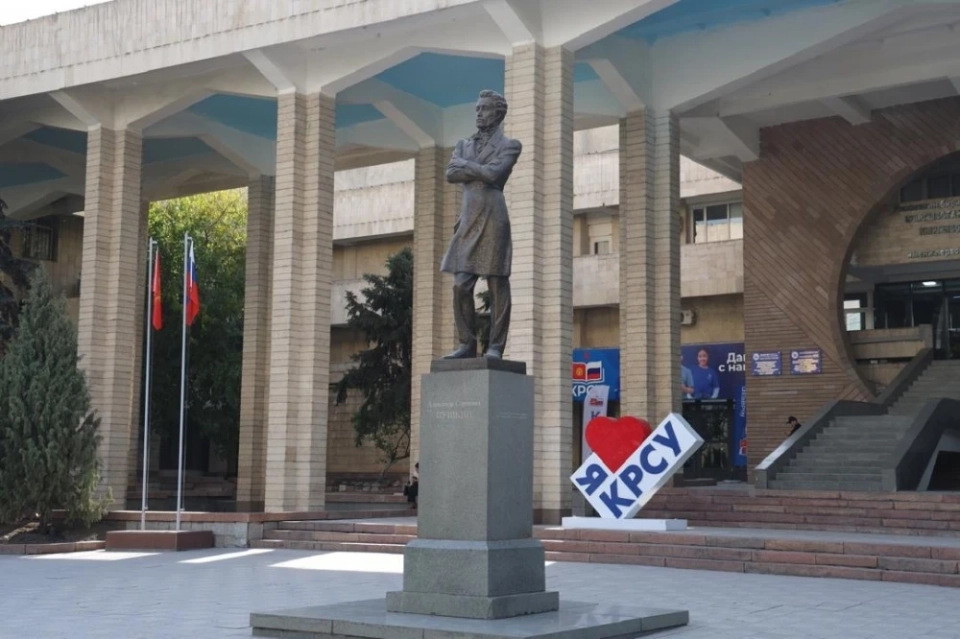
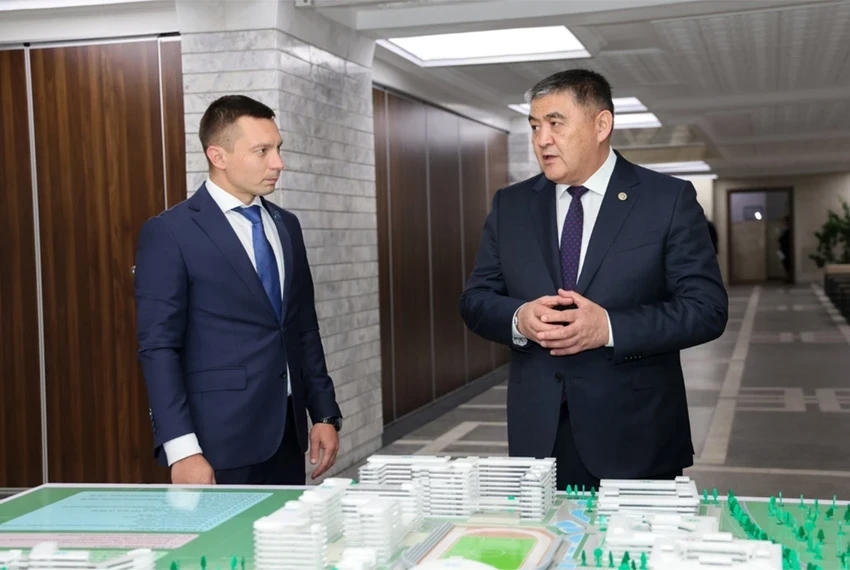
On the same day, a project office for hydropower was opened at KRSU, which will initially focus on developing technical and economic justifications and project documentation for small and medium-sized hydropower plants. This office will serve as a practical platform that combines the scientific potential of the university, the technological capabilities of "Rosatom", and the engineering experience of the company "Boka Hydro KG".
The rector of KRSU, Sergey Volkov, noted that the creation of the project office will help prepare specialists focused on the practical tasks of the industry. Students will have the opportunity to apply modern technologies in practice, which will accelerate the transition from theory to real production.
Additive technologies are already actively used in the energy sector, mainly for the repair and maintenance of equipment. Their application significantly reduces the time required to obtain necessary parts and lowers costs, while also opening new horizons for the production of key components of new equipment, changing the approaches to the design and operation of energy facilities.