Localization of equipment production for hydrogeneration using metal 3D printing
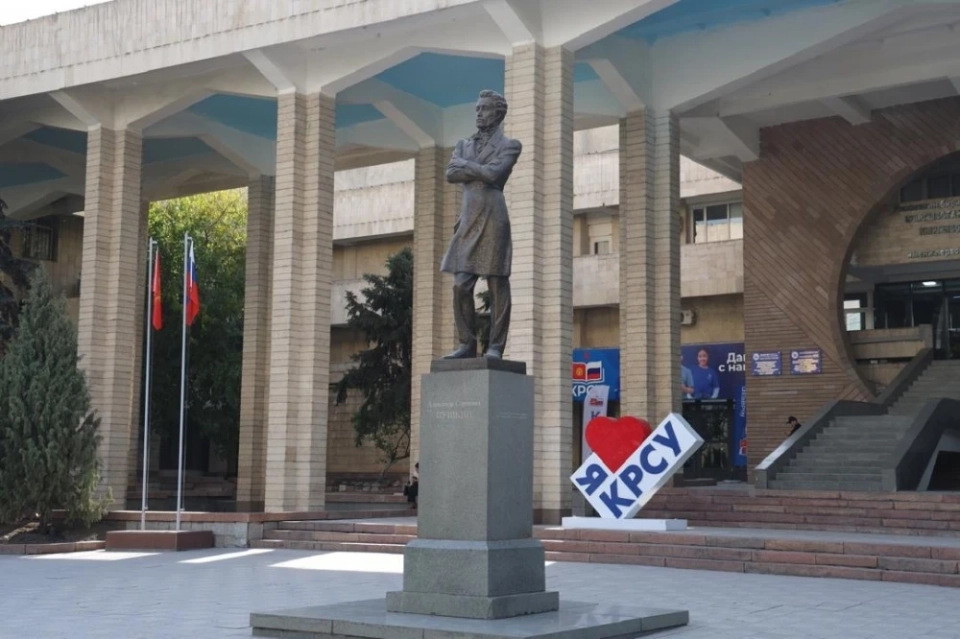
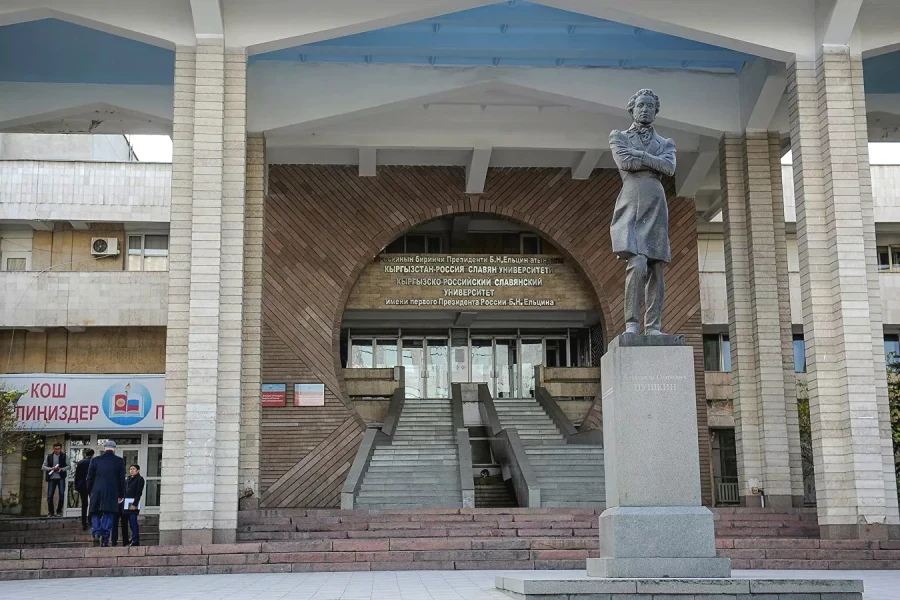
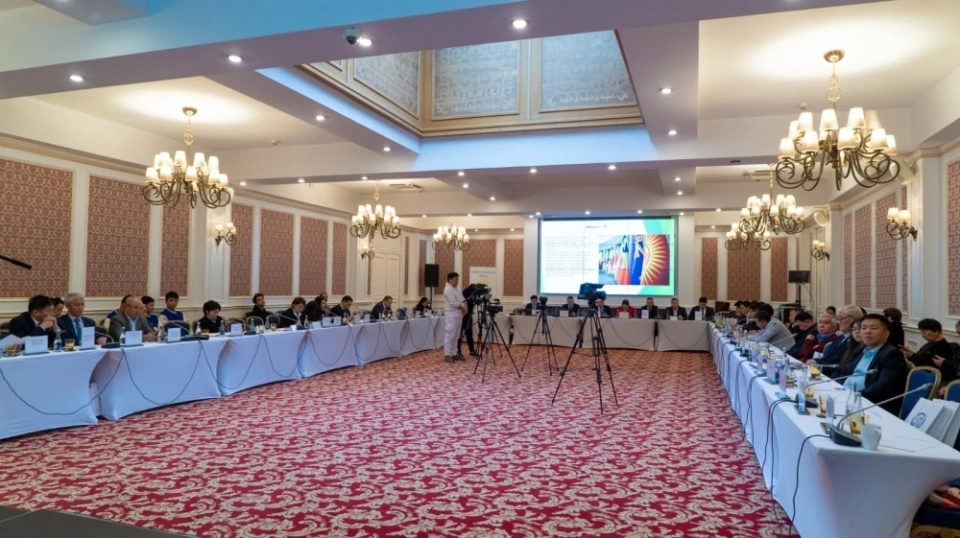
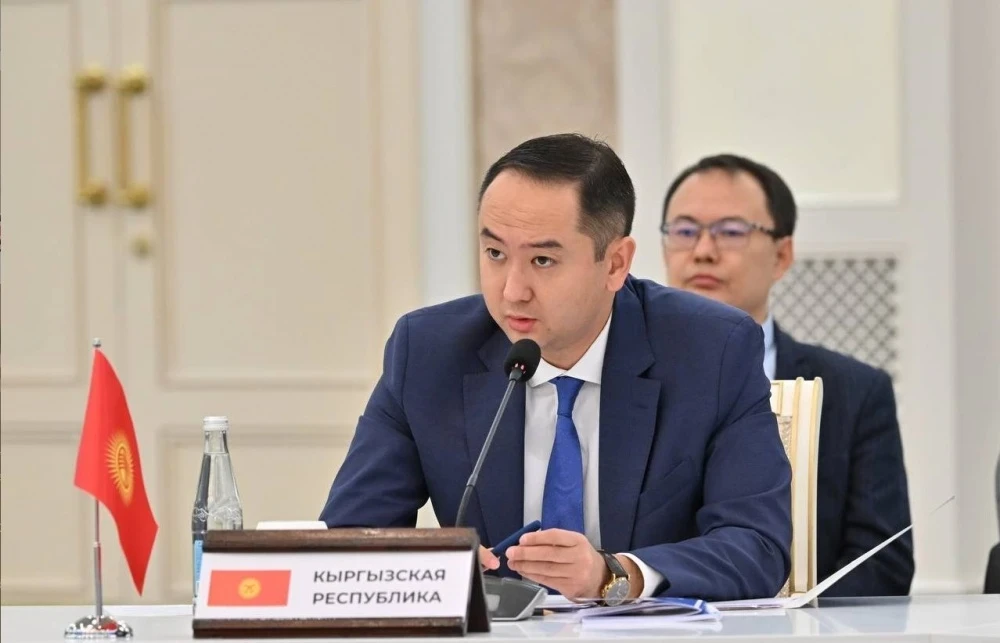
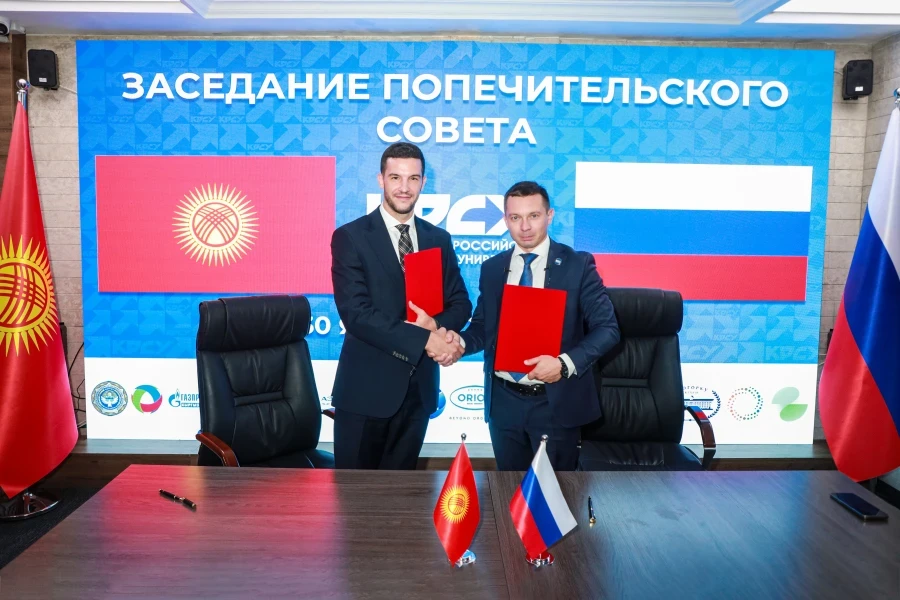
On January 30, a partnership agreement was signed in Bishkek between the fuel division of "Rosatom," the Kyrgyz-Russian Slavic University named after B. N. Yeltsin, representatives of the state corporation in Kyrgyzstan, and the engineering company LLC "Boka Hydro KG." This agreement aims to implement additive technologies in the renewable energy sector of the republic.
The agreement involves the production of equipment for new and existing hydropower facilities using 3D printing. The parties plan to collaborate in various areas, including the joint development of project documentation and the supply of equipment for interested customers.
Ilya Kavelashvili, director of the "Additive Technologies" business unit of the fuel division of "Rosatom," emphasized that their unique competencies cover the entire cycle of additive technologies—from the serial production of high-tech printers and metal powders to training and servicing personnel. He noted the importance of applying these technologies in the energy sector of Kyrgyzstan and the willingness to share experience within the framework of the partnership, including through the development of a network of additive technology centers.
As part of the agreement, a project office for hydropower was also established based at KRSU. At the initial stage, its work will focus on developing technical and economic justifications and project documentation for small and medium-sized hydropower plants, which will allow the creation of an intellectual hub and a model site of international level.
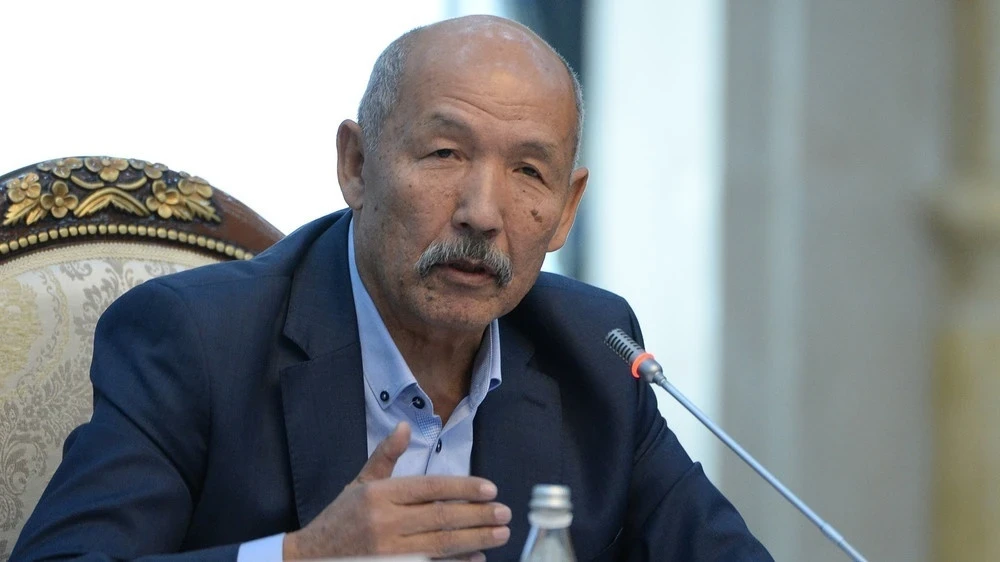
Sergey Volkov, rector of KRSU, noted that the project office will create opportunities for preparing the engineering elite of the country, providing students with access to practical applications of technologies that facilitate the rapid implementation of ideas into production and ensure the technological sovereignty of the republic.
The fuel division of "Rosatom" (managing company — JSC "TVEL") includes enterprises engaged in the production of nuclear fuel, uranium conversion and enrichment, as well as scientific research. TVEL is the sole supplier of nuclear fuel for Russian nuclear power plants and supplies fuel for more than 70 reactors in 15 countries, including research reactors in nine countries worldwide. Every sixth energy reactor in the world operates on "TVEL" fuel, making this division one of the largest producers of enriched uranium and a leader in the stable isotopes market.
The "Additive Technologies" sector offers a wide range of services—from the development of 3D printers and components to providing service support and training personnel, as well as creating additive technology centers at enterprises.
The use of additive technologies allows for the production of parts and components that are difficult to manufacture using traditional methods such as casting and machining. 3D printing also helps reduce the weight of products, optimize material usage, and significantly shorten production times. Modern 3D printers can be configured to create products of various purposes and sizes, making them versatile for both single and mass production. Products created using 3D printing find applications in various fields, including nuclear and aerospace industries, as well as medicine.
Electric power engineering is one of the main areas for applying additive technologies, especially in the repair and maintenance of equipment. 3D printing allows energy workers to obtain the necessary parts and spare parts faster and cheaper. Furthermore, the use of additive technologies opens up opportunities for organizing small-scale production, which may be impractical for traditional factories.
Given the rapid development of technologies, 3D printing is already actively used not only for creating spare parts but also for producing key components and assemblies of original equipment in various industries. On average, the application of 3D printing in industry allows for a tenfold reduction in material consumption and a 75% decrease in energy costs during equipment repairs, leading to almost waste-free production.
Photo www