According to Resolution No. 663, adopted on October 14, the following key points are outlined:
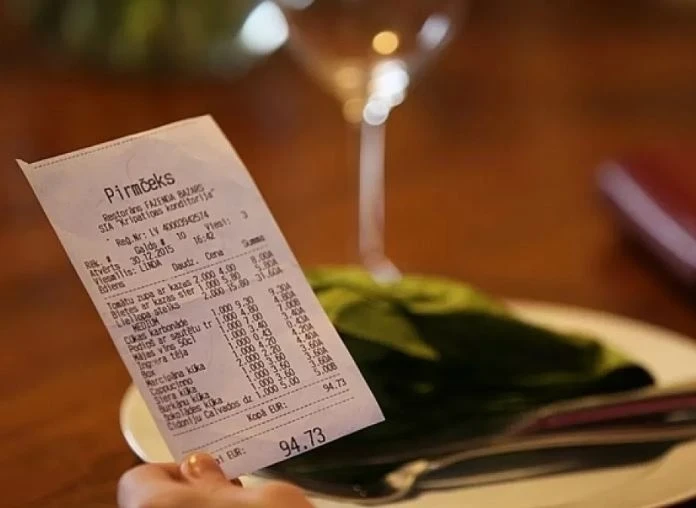
- Separate charges for service, delivery, and other services provided by the staff are prohibited;
- All components of the catering service must be included in the price stated in the menu or price list available before placing an order;
- The total amount payable must not exceed the amount indicated in the price list, except for voluntary tips;
- Catering establishments may set additional conditions for customers that do not contradict the law, except for service percentages.
Separate service charges, which depend on the cost of ordered dishes, are a common practice in Kyrgyzstan's restaurant sector and should not be confused with tips.
Restaurateurs and cafe owners stated that, in fact, nothing will change for them, as the service percentage will be included in the cost of the dishes.
Gulzat Raimbekova, chairwoman of the "Horeca Club" Association, commented to Kaktus.media that this category of payments includes not only the services of waiters but also everything that creates comfort in the dining area: furniture, napkins, sugar, quality dishes, as well as the salaries of hostesses and administrators.
“This is about maintaining the atmosphere of the establishment so that guests feel comfortable here. All of this was included in the 15%. One should not forget about the cleanliness of the restrooms, where quality hygiene products should be available,” she added.
Changes in Prices
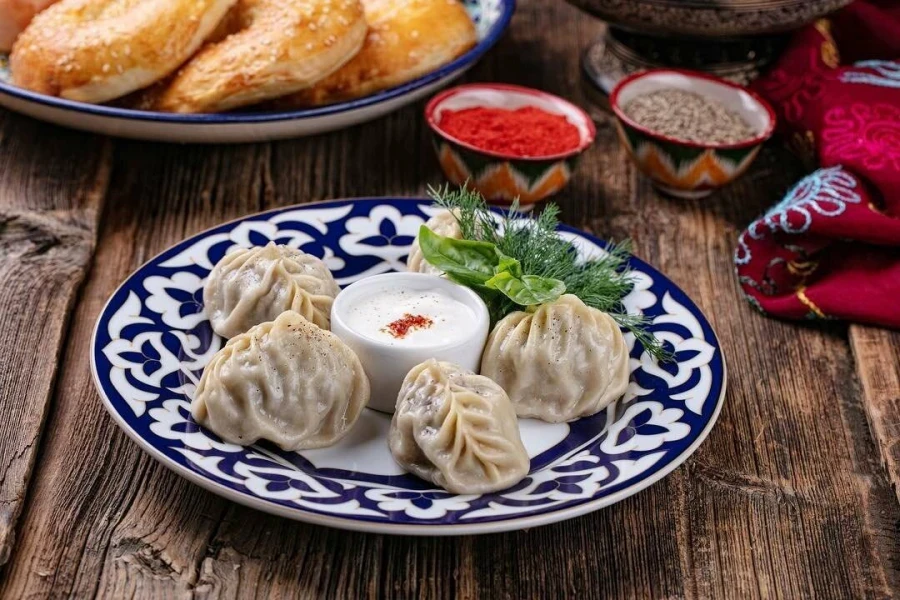
Now that the regulation is coming into effect, prices in restaurants and cafes have started to rise. For example, if manti used to cost 300-400 soms, their price is now at least 500 soms.“Why have there been such changes in prices? The cancellation of the service charge occurred against the backdrop of a general increase in costs in the industry and rising prices for food, rent, utilities, and logistics. This has also forced an increase in the payroll fund,” comments Gulzat Raimbekova on the current situation.
Inflation in the Country
At the beginning of 2025, price increases began in Kyrgyzstan. Initially, these were minor increases: up to 1-1.5% per month. However, gradually, staple foods such as flour, carrots, and meat became unaffordable for many, turning into a luxury.The National Bank of Kyrgyzstan also reported an increase in inflation in its monetary policy report.
“Additional inflationary pressure is expected due to rising prices in neighboring countries, increased domestic demand, and rising global prices for food and petroleum products,” emphasized the NB KR.
Situation in the Catering Market
Food prices traditionally rise annually, but this used to be less noticeable for visitors.“After the cancellation of the service charge, there was a general increase in prices, making the rise in the total bill more noticeable. This is business, and it is impossible to dictate prices to it,” report cafe and restaurant owners.
The Ministry of Economy emphasized the necessity of these changes to increase the transparency of restaurant operations; however, antimonopoly authorities noted that customers should know the exact cost of the service before ordering it. However, according to Jenala Orozbaev, the situation has changed.
He stated that citizens report that catering establishments have increased the prices of dishes, adding the previously charged service fee to them.
“We are conducting monitoring in accordance with the Consumer Rights Protection Law and have approved an inspection plan. All catering establishments are subject to scheduled inspections, and fines will be imposed in case of non-compliance with the regulations,” noted Orozbaev.
Recently, the President of Kyrgyzstan, Sadyr Japarov, announced the continuation of efforts to support small and medium-sized businesses.
“We are creating comfortable conditions for doing business and implementing transparent systems, ensuring protection from administrative barriers,” said the president.
Nevertheless, in practice, initiatives are not always implemented properly.
Some visitors suggest ignoring catering establishments until prices decrease, but this may negatively affect workers, suppliers, and food producers. It is unlikely that in a country where mass celebrations are popular, people will refrain from visiting cafes.