In 2026, significant changes are expected in the financial situation of citizens of Kyrgyzstan. Some groups of the population will see an increase in income, while others will face rising mandatory expenses. 24.kg has gathered key decisions and changes that will directly impact the family budget.
Income
1
Introduction of New Benefits
Starting this year, families living in high-altitude areas will begin receiving a new monthly benefit of 3,000 soms for the third and subsequent children under three years old.
2
Salary Increases
From April 1, a salary increase is planned for doctors, teachers, methodologists, and social workers. In some cases, the salary increase may reach 100%.
Additionally, from September 1, a salary increase is expected for other categories of budget employees.
3
Pension Increases
In October, the authorities intend to significantly raise pensions, although the exact amounts of the indexation have not yet been disclosed.
4
Ban on Additional Charges
From January 1, a ban has been introduced on charging additional fees in cafes and restaurants for service and dish presentation. All expenses must now be included in the prices listed on the menu.
5
Tax Benefits
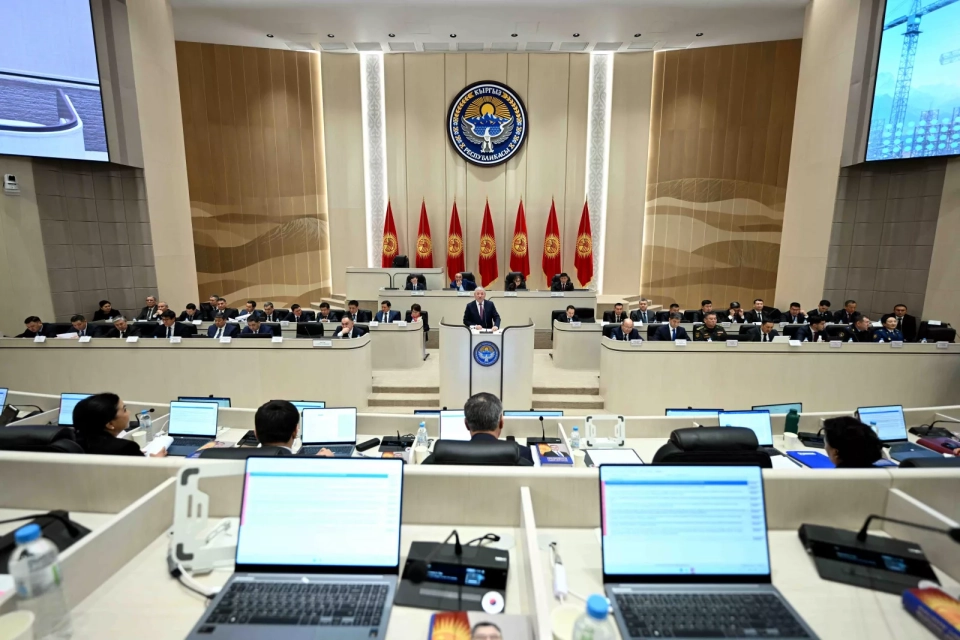
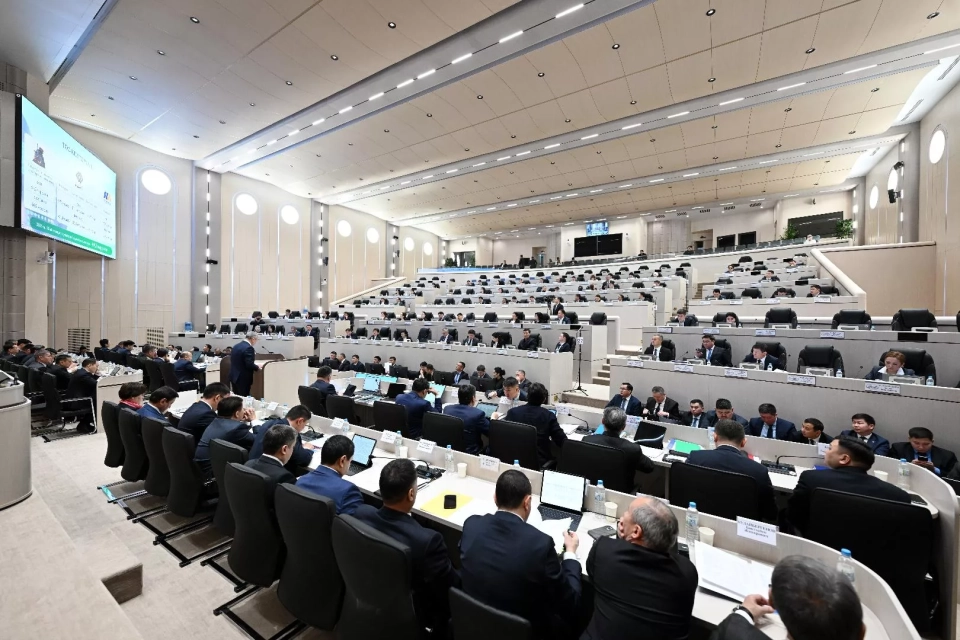
The Jogorku Kenesh has adopted a law that provides tax benefits for businesses and the population. In particular, this concerns exemptions from taxes on transactions for the sale and purchase of cars and reductions in mandatory payments for the sewing industry.
6
Duty-Free Imports
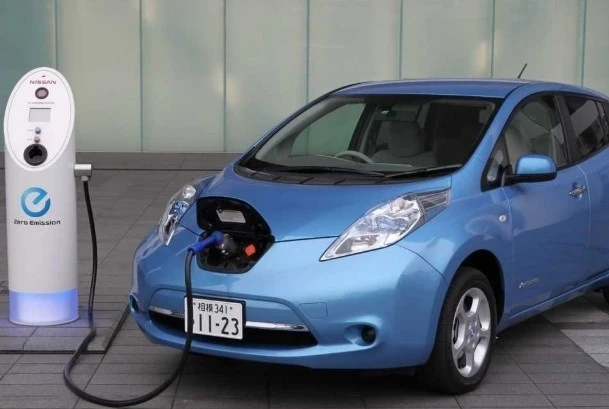
From January 22, 2026, Kyrgyzstan will be able to import up to 15,000 electric and hybrid vehicles without paying duties.
Expenses
1
Increase in Electricity Tariffs
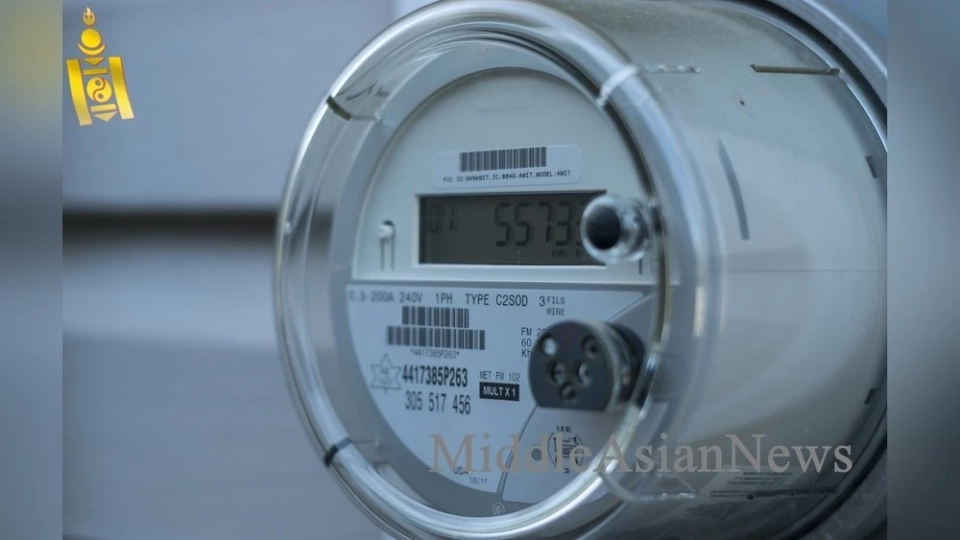
From May 1, electricity tariffs will rise. For the population, the cost will be 1.64 soms per kilowatt-hour, which is 27 tyiyns more than in the previous period.
2
Increase in Service Tariffs
This year, prices for heating and hot water are likely to rise again. There may also be an increase in other utility services.
3
Inflation Continues to Rise
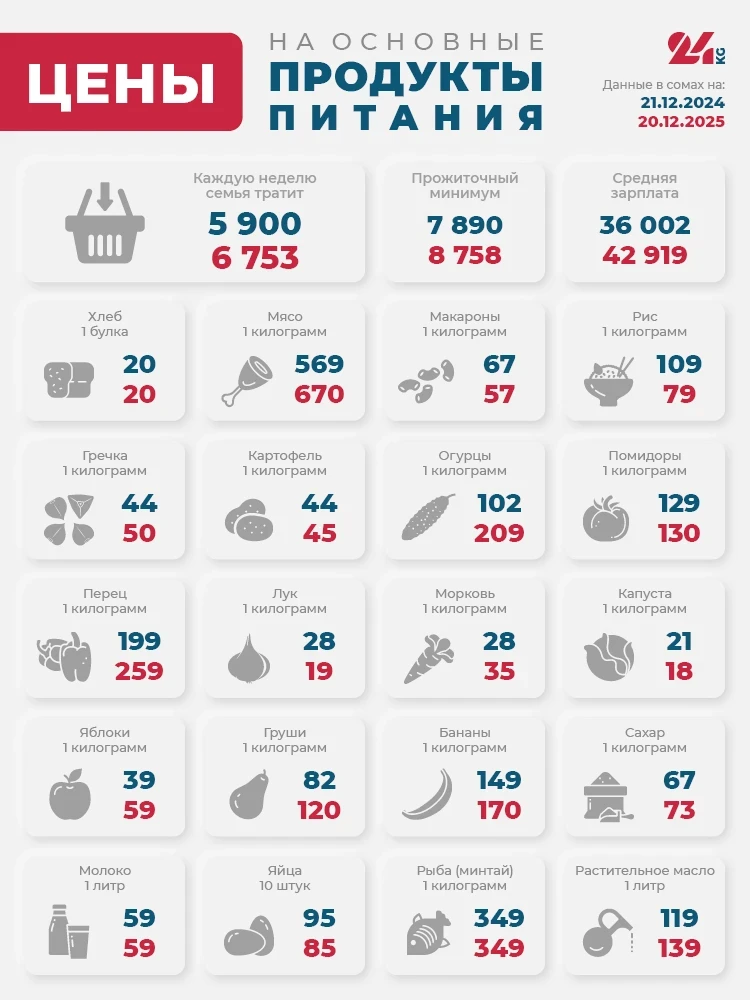
Inflation in Kyrgyzstan remains high. In addition to tariffs, prices for food, non-food goods, and services continue to rise. Whether this situation can be stabilized remains in question.
Thus, 2026 will bring Kyrgyz citizens both an increase in income and a rise in expenses, which will depend on their social status and area of activity.