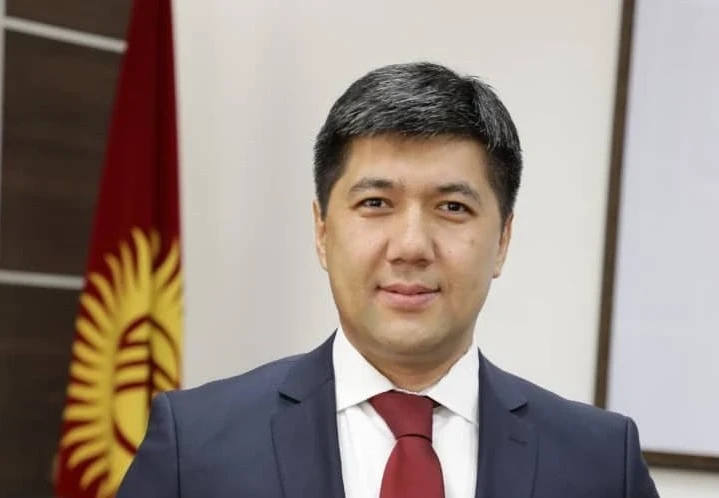
2025 turned out to be a significant year for the entire financial sphere of Kyrgyzstan. The Chairman of the National Bank, Melis Turgunbaev, emphasizes that this period brought numerous decisions that impacted the lives of every citizen of the country.
We have strengthened the protection of citizens' financial rights, improved the resilience of the banking sector, and initiated legal preparations for the introduction of the digital som, which will become a new form of national currency.
One of the important initiatives was the enhancement of customer service standards. After the implementation of the "cooling-off period" mechanism, a self-ban on lending was also introduced. Now every citizen can freely set a ban on obtaining loans in their name through the “Tunduk” electronic services portal, which helps protect against fraud or limit themselves from new debts. Throughout 2025, about 114,000 people took advantage of this opportunity.
Additionally, new legislative initiatives have enshrined the principles of responsible lending. Borrowers now receive complete information about interest rates, fees, terms, and payment schedules. It is prohibited to impose additional paid services not specified in the contract. Clients have the right to refuse a loan after signing, but before receiving funds, without penalties, and can also repay the debt early under the same conditions.
Banks can no longer unilaterally worsen the terms of contracts, and the penalties for late payments are limited to avoid excessive financial burdens.
Another important step was the complete elimination of fees for transfers between accounts in different banks. This simplified and accelerated cashless transactions, making them accessible to everyone. As a result, the number of operations through the ELQR system increased by 54.5 times, and the volume of payments grew almost 85 times. In the first half of 2025, 274.9 billion soms were processed through QR codes, which is 20 times more compared to the same period last year. Fees for opening and servicing loan accounts, as well as for early repayment and other basic operations, have also been abolished.
Starting this year, banks are required to publish tariffs and service conditions in advance — at least 10 working days before the changes take effect, ensuring transparency and excluding unexpected changes in conditions without the client's consent.
As part of enhancing the resilience of the banking system, the National Bank has tightened the requirements for minimum charter capital. For new banks, it is set at 3 billion soms, while existing banks will see a phased increase until 2030. For systemically important banks, a separate, higher threshold has been established — no less than 8 billion soms by 2027. These measures will make the banking sector more resilient and protect the interests of citizens and their deposits.
Finally, 2025 became the year when the future of the digital som was legislatively secured — the third form of national currency alongside cash and cashless money. The exclusive right to issue it belongs to the National Bank, which will ensure fast and secure transactions, expand access to financial services in the regions, and serve as a foundation for new digital services.
All these steps are aimed at ensuring that every citizen of Kyrgyzstan feels confidence and protection in the financial sphere.
One of the important initiatives was the enhancement of customer service standards. After the implementation of the "cooling-off period" mechanism, a self-ban on lending was also introduced. Now every citizen can freely set a ban on obtaining loans in their name through the “Tunduk” electronic services portal, which helps protect against fraud or limit themselves from new debts. Throughout 2025, about 114,000 people took advantage of this opportunity.
Additionally, new legislative initiatives have enshrined the principles of responsible lending. Borrowers now receive complete information about interest rates, fees, terms, and payment schedules. It is prohibited to impose additional paid services not specified in the contract. Clients have the right to refuse a loan after signing, but before receiving funds, without penalties, and can also repay the debt early under the same conditions.
Banks can no longer unilaterally worsen the terms of contracts, and the penalties for late payments are limited to avoid excessive financial burdens.
Another important step was the complete elimination of fees for transfers between accounts in different banks. This simplified and accelerated cashless transactions, making them accessible to everyone. As a result, the number of operations through the ELQR system increased by 54.5 times, and the volume of payments grew almost 85 times. In the first half of 2025, 274.9 billion soms were processed through QR codes, which is 20 times more compared to the same period last year. Fees for opening and servicing loan accounts, as well as for early repayment and other basic operations, have also been abolished.
Starting this year, banks are required to publish tariffs and service conditions in advance — at least 10 working days before the changes take effect, ensuring transparency and excluding unexpected changes in conditions without the client's consent.
As part of enhancing the resilience of the banking system, the National Bank has tightened the requirements for minimum charter capital. For new banks, it is set at 3 billion soms, while existing banks will see a phased increase until 2030. For systemically important banks, a separate, higher threshold has been established — no less than 8 billion soms by 2027. These measures will make the banking sector more resilient and protect the interests of citizens and their deposits.
Finally, 2025 became the year when the future of the digital som was legislatively secured — the third form of national currency alongside cash and cashless money. The exclusive right to issue it belongs to the National Bank, which will ensure fast and secure transactions, expand access to financial services in the regions, and serve as a foundation for new digital services.
All these steps are aimed at ensuring that every citizen of Kyrgyzstan feels confidence and protection in the financial sphere.