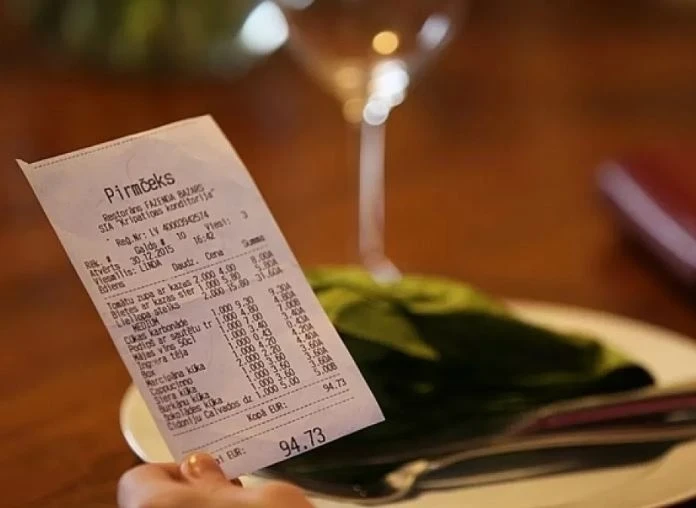
In Kyrgyzstan, a decision has been made to abolish the service charge in public catering establishments, which was a response to numerous complaints from customers. As reported on Birinchi Radio by Adilet Jumabekov, a leading specialist in the Department of Antimonopoly Policy and Pricing of the Ministry of Economy, dissatisfaction was caused by the collection of an additional 15 percent charge on the cost of dishes.
According to him, the president's administration has tasked the preparation of a project that will help resolve this issue and amend the existing regulation.
Ruslan Kazakov, head of the Consumer Rights Protection Department of the Antimonopoly Regulation Service under the Ministry of Economy, noted that taking into account the opinions of the business community, the deadlines for introducing new regulatory measures have been postponed so that entrepreneurs can adjust their prices. These changes will come into effect on January 1, 2026.
According to the Civil Code, in public catering, an offer is applied, where the menu serves as an actual contract. When a customer enters a restaurant, they familiarize themselves with the dishes, their quantities, and prices, and have the right to either place an order or refuse it.
According to the trading rules established by the resolution of the Cabinet of Ministers of the Kyrgyz Republic No. 560, prices for goods can be set by trading entities at their own discretion.
Previously, public catering establishments added a separate service charge, which varied from 5 to 20 percent, causing dissatisfaction among customers due to the lack of transparency in the final price. Now, the full cost of the dish is indicated on the menu.
If earlier this percentage was considered compensation for the staff's labor, now all expenses, including the wages of waiters, cooks, and technical staff, are included in the price of the dish. This is in line with current regulations.
The state does not set prices for dishes in cafes and restaurants, as they are not classified as social goods. However, when an additional percentage is added to the price indicated in the menu, it is considered a violation and may lead to administrative measures.
Altynai Kachibekova, executive director of the HoReCa Club Association, noted that in the current situation, business sales have decreased. She emphasized that the right to choose prices remains with each entrepreneur, and if one establishment raises prices while another does not, it is their individual decision.
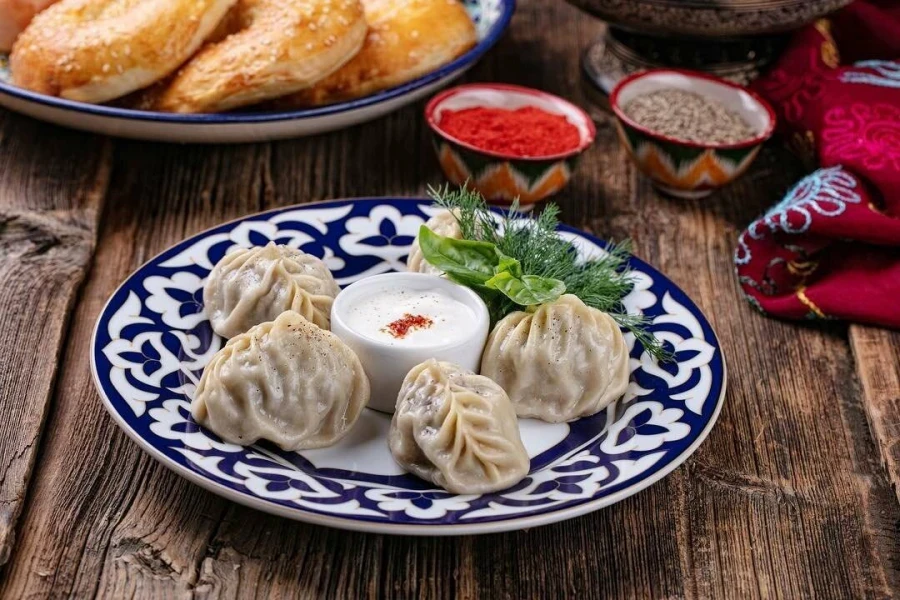
She also added that there are many significant expenses in the HoReCa sector. Some establishments, understanding that certain dishes, such as manti, require high costs, maintain high service quality by setting a corresponding price. Others may cut costs on service, which sometimes reflects on the quality of dishes or use cheaper substitutes for ingredients.
Kachibekova emphasized that price formation depends not only on the cost of flour and other ingredients but also includes expenses for packaging, service, and the atmosphere of the establishment. Ultimately, when visiting a cafe or restaurant, the customer pays not only for the food but also for the service and the conditions in which they find themselves.
Currently, the service charge has been abolished, and employment contracts are being concluded with waiters. The transitional period implies that previous expenses on personnel were also taken into account, including taxes and the employee motivation system.