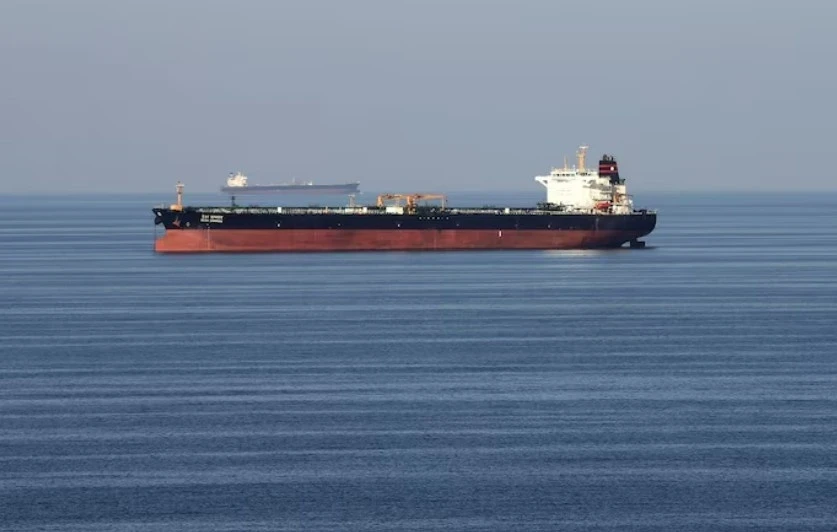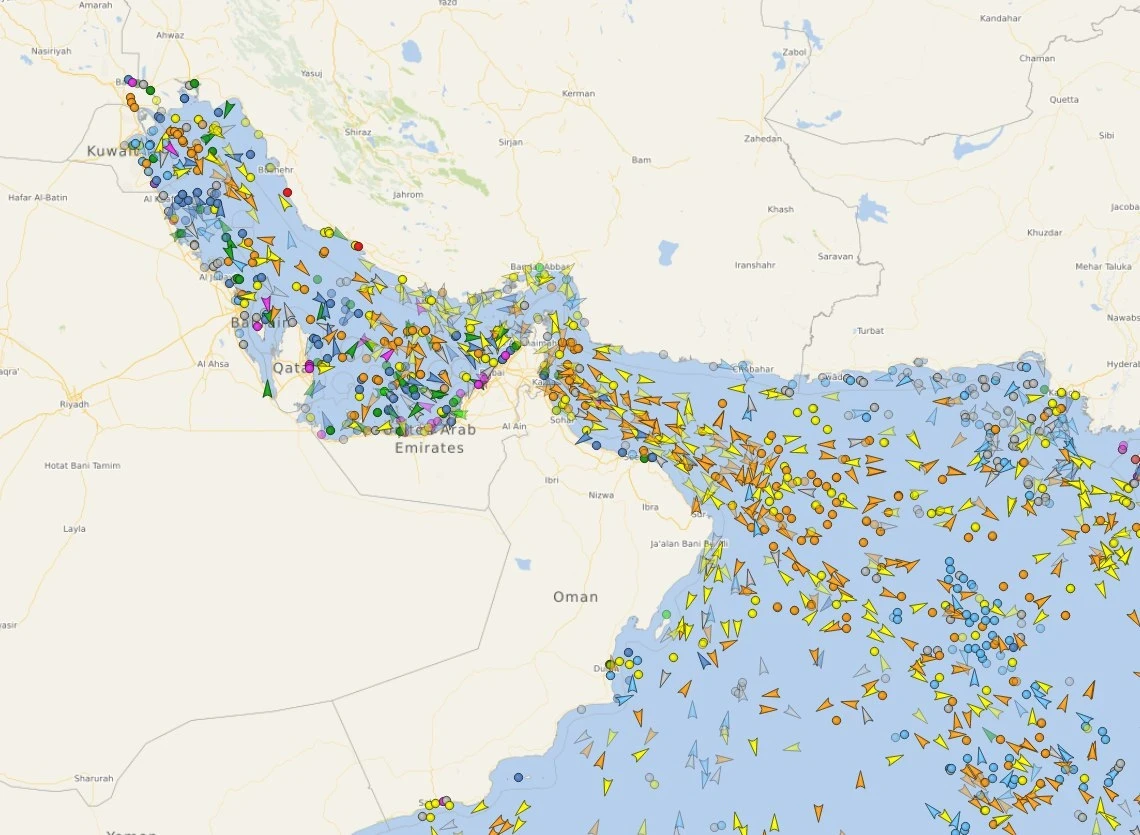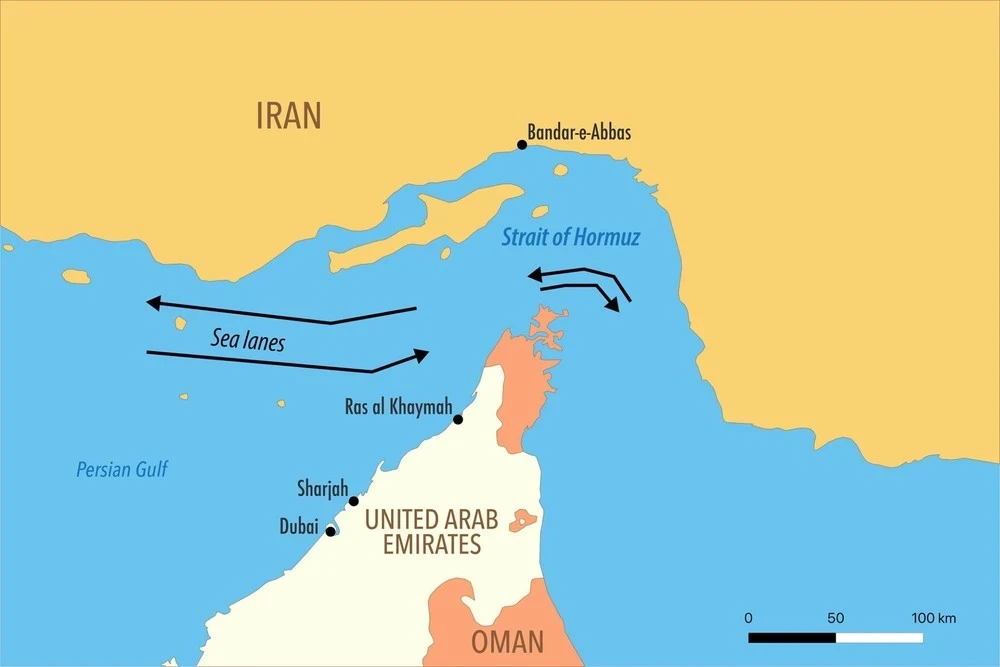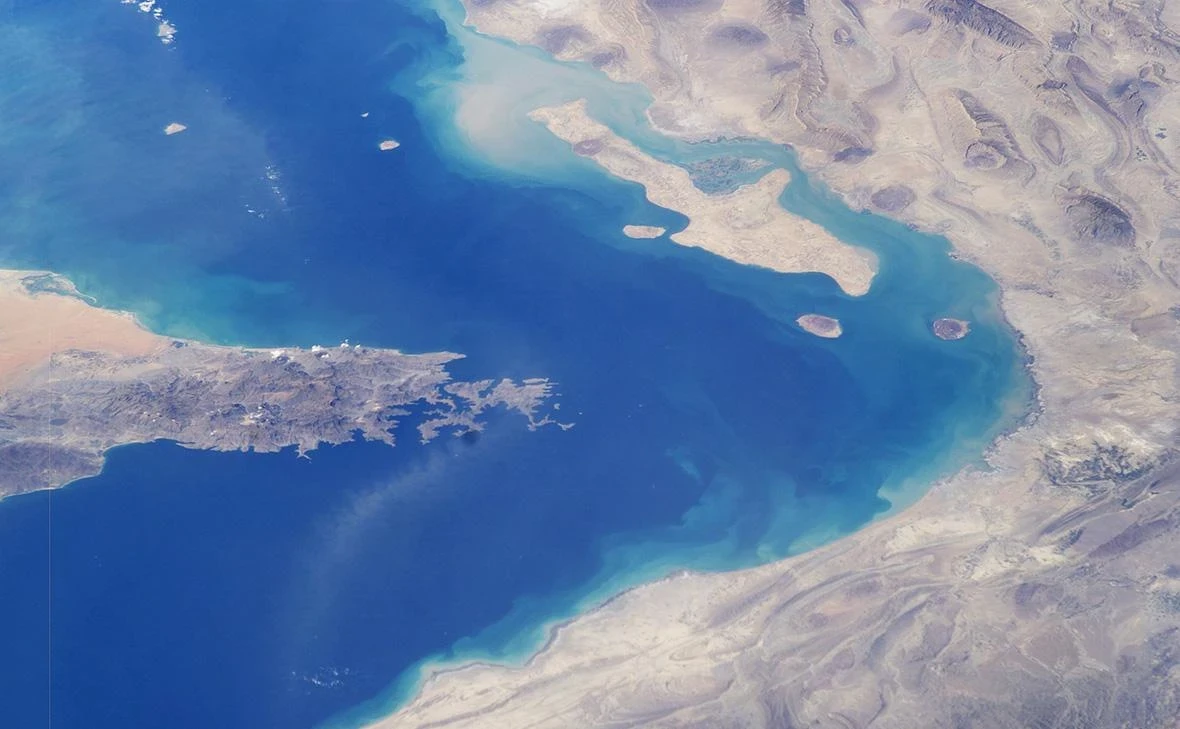
Archive photo. Tensions in the Strait of Hormuz have led to disruptions of about 20% of global oil supplies
According to Birol, the countries that are part of the IEA hold more than 1.2 billion barrels of emergency oil reserves, as well as 600 million barrels of industrial reserves.
In light of the instability in the oil markets, he initiated an emergency meeting with the governments of IEA member countries to analyze the current situation regarding supply security and market conditions. The possibility of releasing emergency reserves onto the market will also be considered.
Fatih Birol has already discussed the current issues with the energy ministers of the G7 countries, informing them about the negative impact of the conflict in the Middle East on oil and gas markets.
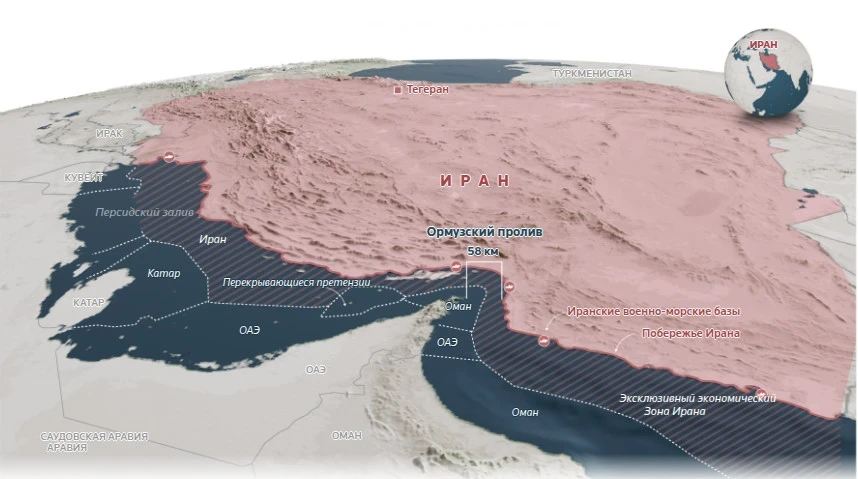
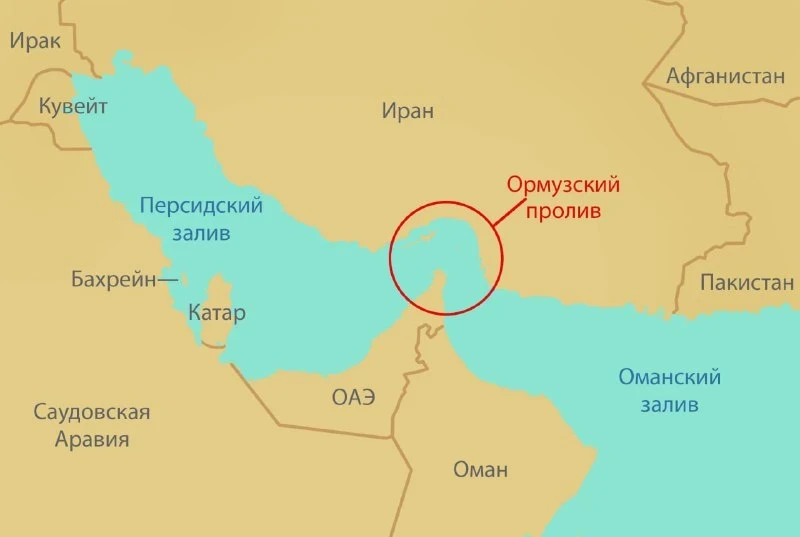
The head of the IEA noted that, in addition to the blockade of shipping in the Strait of Hormuz, oil production has decreased, creating "serious and escalating threats to the market."
Experts emphasize that the halt of shipping through the Strait of Hormuz in light of military actions by the U.S. and Israel against Iran has led to the largest disruption in global oil supplies in history.
Tensions in the Strait of Hormuz encompass about 20% of global oil supplies.
Earlier, the Islamic Revolutionary Guard Corps announced that the mining of the Strait of Hormuz had begun. In early March, the IRGC declared its readiness to destroy any vessel attempting to pass through the strait.
It is worth noting that on March 9, the price of Brent crude oil reached $119.36 per barrel, marking an increase of 28.77%. Additionally, the price of gas on European exchanges exceeded $800 per 1,000 cubic meters for the first time since January 2023 on that day.
Furthermore, it was reported that several oil storage facilities in Iran have been targeted by Israeli attacks. Bahrain's state oil and gas company Bapco Energies declared force majeure due to the situation in the region, including a recent strike on one of its facilities.
Following Iran's retaliatory attacks, Qatar also suspended liquefied natural gas production at its largest plant. QatarEnergy halted LNG production after attacks on facilities in Ras Laffan and Mesaieed, which affected operational capacities. QatarEnergy is a leading global producer of LNG, accounting for about 20% of the total global production volume.