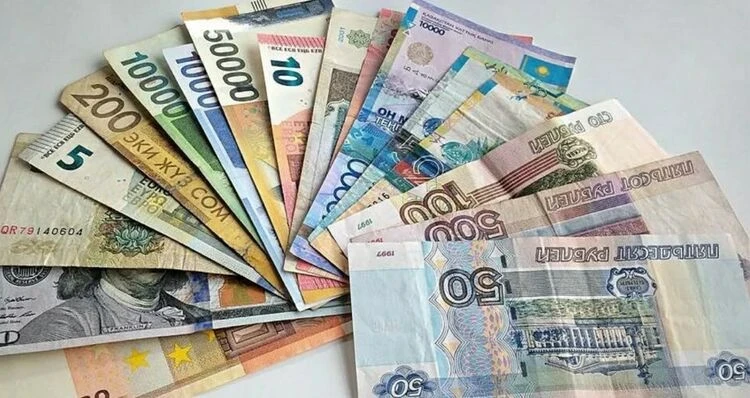
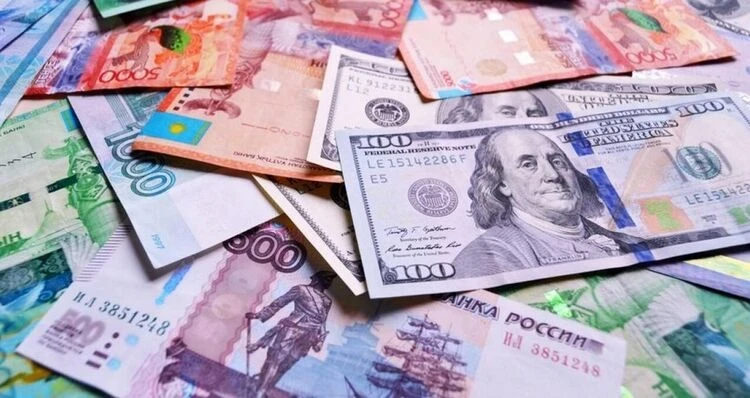
The amount of "koshumcha" usually depends on the degree of closeness between participants — friends, relatives, and neighbors. To learn more about the perception of this tradition and the sums that people bring to such events, correspondents from the Talas region conducted a survey among local residents.
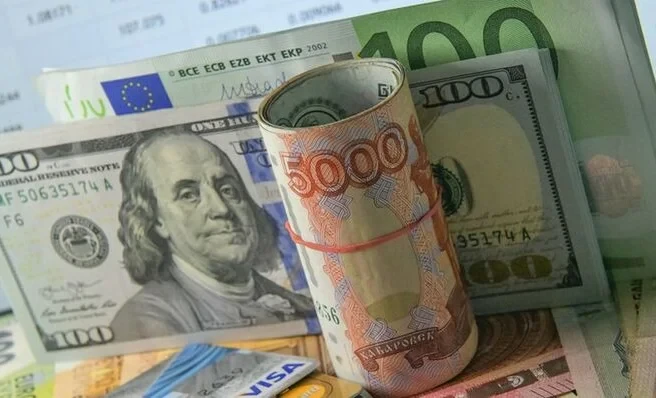
**Suyun Jamalbekov**, a resident of the Bakai-Ata district, shared his opinion about "koshumcha." He notes that, participating in joyful and sad events, they always bring money with them. "I consider this practice to be correct, as what you give is what you will receive back. We have strong relationships with my wife's relatives. At weddings, we give livestock, while at sad events, we contribute 20,000 soms. We have a large family: 7 brothers and sisters on one side and 11 on the other. Recently, we had a housewarming, for which the in-laws working abroad sent congratulations via the internet and gifted 2,000 dollars, and for the wedding — 5,000 dollars for buying a car," he shared.
**Gulmira**, a resident of the Talas district, also shared her family's experience: "We have five children in our family. For my older brother's 60th birthday, we gifted him a car worth 510,000 soms so he could drive our mother around. Each of the sisters contributed a horse for this gift. We often give livestock at weddings and anniversaries. This year, I also plan to celebrate my anniversary, and I hope my brothers and sisters will gift me a horse."
**Kushubak Ashymov** from the Kara-Buura district spoke about his expenses on "koshumcha": "Last year, there were many weddings, and I often received invitations to two events a day. My wife and I prepared gifts, and I brought 'koshumcha.' In total, we contributed 3 tons of beans to various events. Without this tradition, many simply would not hold weddings, as it is an opportunity to return what you once gave to others."
**Marat Tulekanov**, also from the Bakai-Ata district, reported that he regularly attends celebrations: "Speaking of gifts, my sister gifted the newlyweds an apartment in Bishkek a year ago. If there is an opportunity, why not help our children? For 'koshumcha,' I usually allocate one bull. It's like a debt that gets repaid."
His sister **Nurbubu Tulekanova** confirmed that the apartment was given as support for their daughter: "We spent 3 million soms on it. It was the right step, and we are glad we could do it."
**Avasbek Turdumambetov** from the Talas district noted that the level of "koshumcha" is growing every year: "Everyone gives according to their capabilities and relationships with the celebrants. At weddings, I always allocate livestock, and if money is requested, I bring it. Respect and good deeds are important in our culture."
**Ainura Beyshekeeva**, a nurse from the Kara-Buura district, spoke about a recent wedding: "The event had guests of different financial means. The groom's father gifted the newlyweds a plot of land, while the bride's sisters made a joint gift — a trip to Dubai. It was a magnificent event, and at the end of the wedding, the older brother handed over 100,000 soms."
**Torobek Namazaliev** from the Bakai-Ata district believes that the residents of the region love celebrations but sees "koshumcha" as an additional expense: "Sometimes I think, maybe I should attend a wedding without 'koshumcha,' just out of respect. But everyone does it this way, and you also have to follow the tradition."