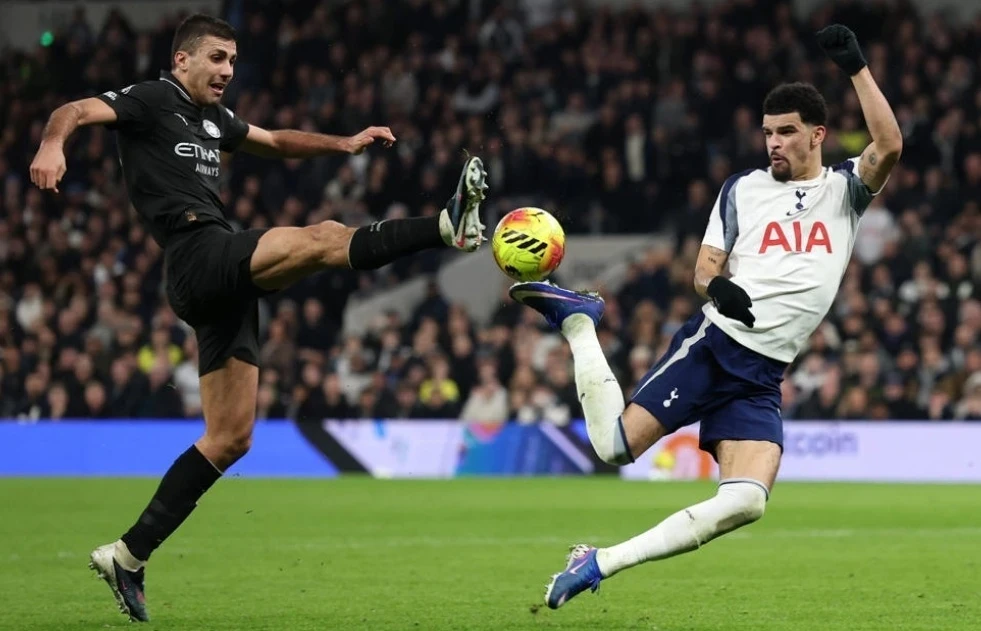
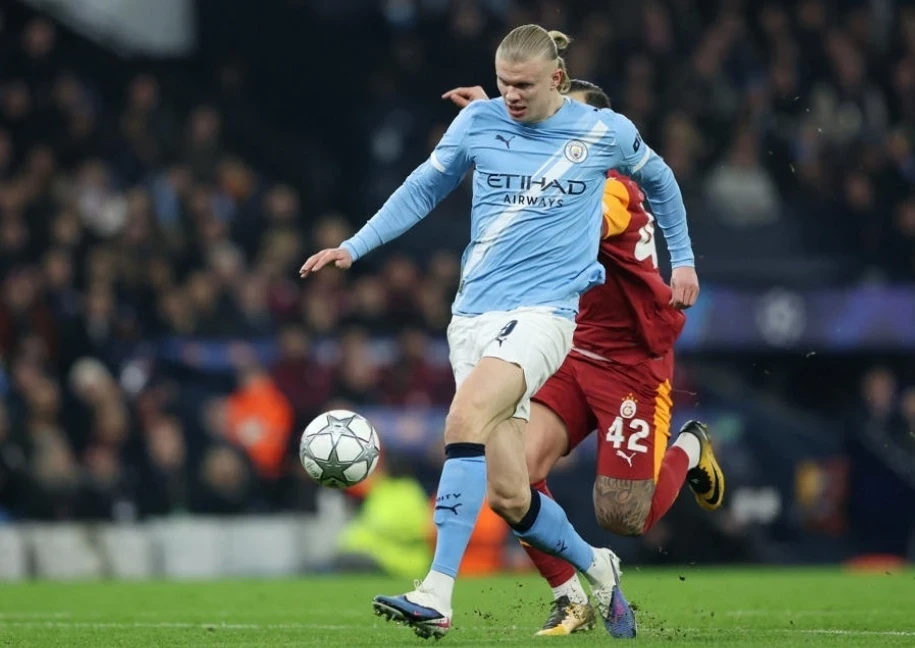
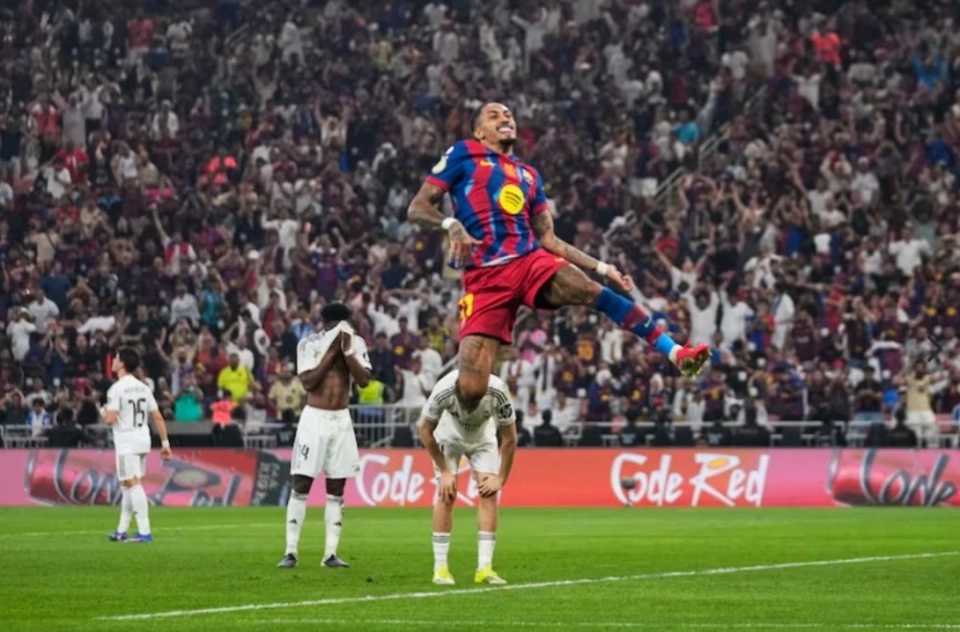
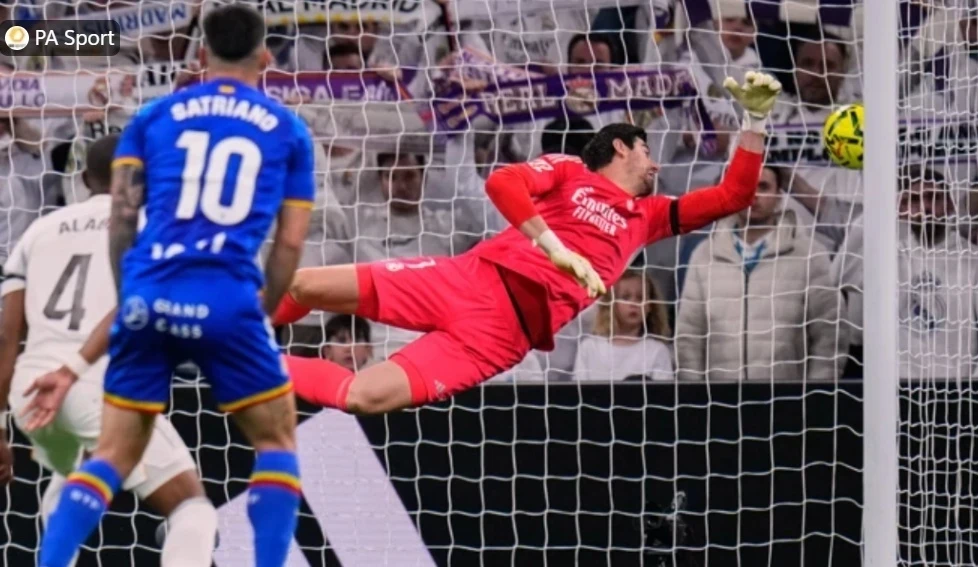
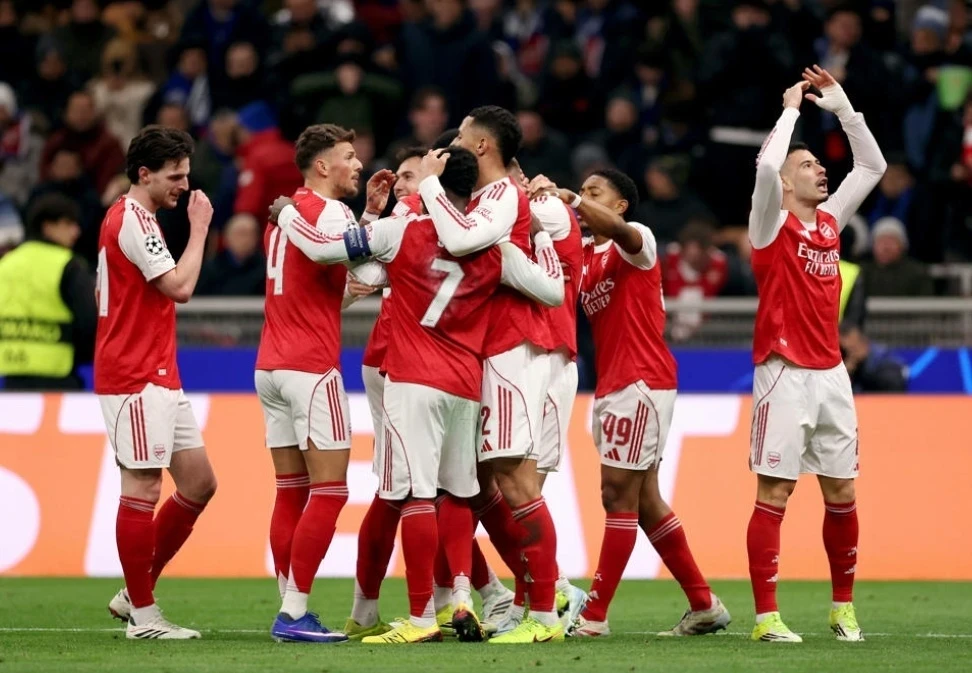
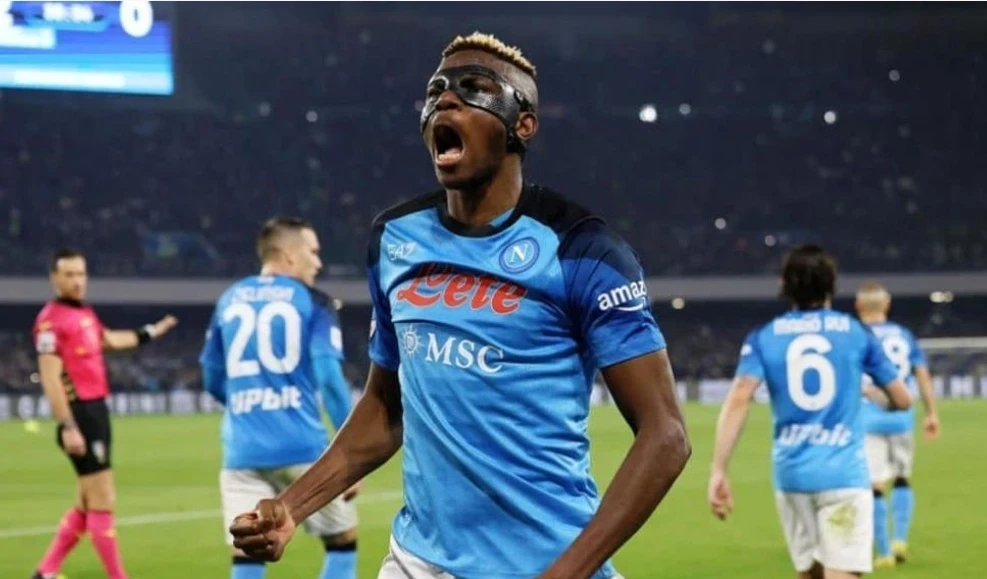
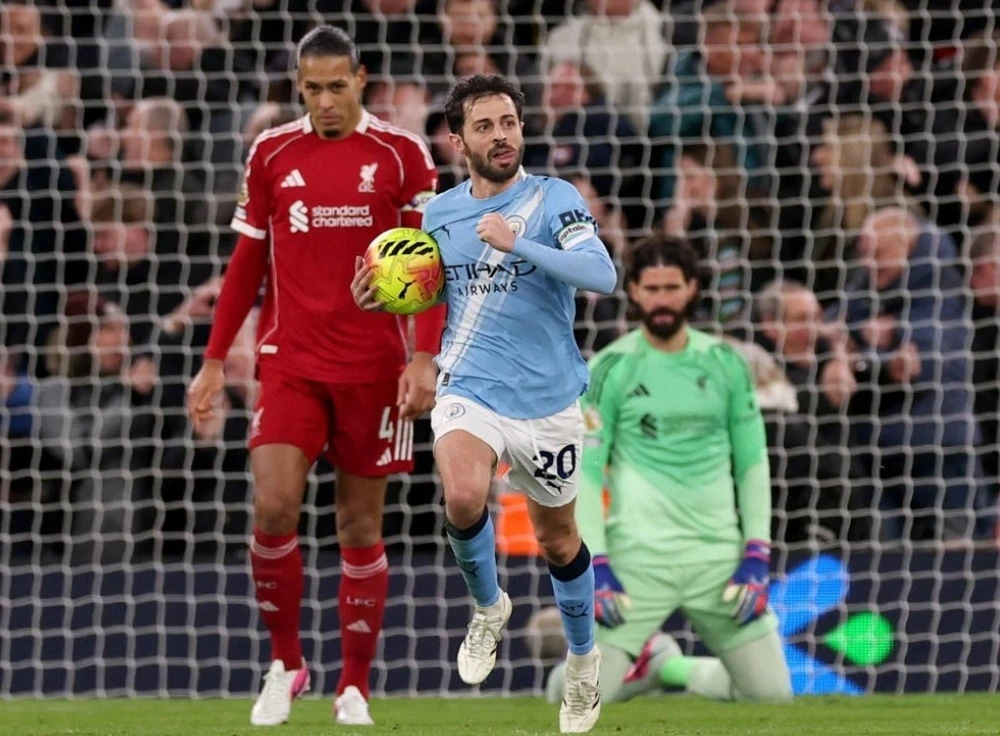
Trends are not sleeping. Football has radically changed over the past five years. The number of matches has increased, more cameras have appeared, and the pressure on players has grown. Statistics penetrate every moment of the game. Players are forced to adapt to new realities or leave the field. Those who manage to adapt find themselves at an advantage, while others are left behind. Let’s explore how this global game is changing.
New strategies that break traditions
Teams are now unafraid to take risks. Pressing has become a priority, while defense takes a back seat. Even those who simply place bets on the move prefer to download Melbet on Android to stay updated. Leading clubs employ a high defensive line, even against the strongest forwards. This approach is risky, but it allows for better game control. Live betting becomes convenient when everything happens quickly and requires instant reactions.
Teams like Manchester City, Real Madrid, and Bayern Munich set the pace through ball possession and advantages in key areas.
However, more and more often, it is not those who control the ball that win, but those who know when to give it up. Teams like Newcastle, Napoli, and Girona build their game on vertical passes and exploiting gaps in the opponent's defense. Tempo, physical conditioning, and quick decision-making are becoming more important than ball possession. And this approach is paying off.
Key trends for 2024-2026
These changes are impacting team rosters, transfers, and results. Ignoring them means missing opportunities:
- Adaptive tactics: formations change during the game, not beforehand.
- Physical conditioning comes first: endurance is more important than speed — players must be fit throughout the match.
- Goalkeeper as playmaker: goalkeepers are becoming key figures in build-ups under pressure.
- Data as the foundation of scouting: transfers are based on numbers, not highlights.
These changes are evident in every major league. Championships are becoming a field for experimentation, not just a showcase for stars.
Changes in youth player training
The pace of football is such that clubs cannot afford to wait until a "talent" turns 23. Training begins as early as 13-15 years old. At this age, many young players watch matches, place bets through Melbet, and start to understand the game more deeply, which helps them analyze actions on the field faster.
Academies operate on principles similar to those of the first team. Players are taught not only how to strike the ball but also how to read space. The program includes specialists in motor skills and mental coaches.
Scouts are now looking for not only technical skills but also the speed of analytical thinking. The ability to make quick decisions and analyze situations is more important than just tricks. Academics are increasingly making it to the first team by the age of 17, as seen with Endrick, Lamine Yamal, and Arda Güler. This is no longer an exception, but a new norm.
Transformation of player roles on the field
Versatility has become a crucial factor in team composition. Full-backs must be able to play in the center, midfielders must contribute to defense, and forwards must press just like an eight. It’s not just about positions, but also about functions. Players must be able to change zones and rhythm depending on the situation on the field. Those who cannot adapt will not make the squad.
This provides coaches with greater flexibility and clubs with resource savings. One versatile player can take on several roles at once. A striking example is John Stones under Guardiola or Alexander-Arnold playing the role of an inverted playmaker. Trends are defined not by style, but by the necessity of adaptation.
The impact of technology and data on the game
Workloads are now monitored in real-time. GPS, biosensors, video analysis — this is already everyday practice. Every movement of a player is recorded and digitized, which helps prevent injuries, but at the same time limits the player's freedom. They are not allowed to "feel the game" — they must follow the metrics. Even substitutions are made based on biodata, not the coach's intuition.
The approach to analyzing opponents is also changing. It now includes over 150 parameters. It’s not just “he’s left-footed and likes to cut inside” — it’s precise data on passing angles, pressure points, and danger zones. Preparation is not tailored to a specific player, but to their behavior model.
The impact on fans and broadcasts
Football has become not just a match, but full-fledged content. Cameras are installed in locker rooms, coaches communicate through microphones, and VR technologies are used. Clubs are creating studios within academies. Matches can be watched not only on television but also on TikTok, Instagram, Telegram, and YouTube.
Generation Z no longer waits for highlights — they want real-time insights.
This creates pressure on players but also opens new opportunities for brand growth. The more people follow your life, the higher the contract. Content becomes part of the club's development strategy. Even the choice of kit takes its potential virality into account. The broader the reach, the greater the profit.
The future of football: already today
Football is transforming under the influence of three key factors: the calendar, finances, and data. The number of matches has increased, requiring player rotation, and versatile footballers are becoming more valuable than specialists. Transfer prices are rising, and clubs are looking for undervalued players based on metrics rather than hype. Analytics captures every action, so pressing, tempo, and positional discipline are standardized. The advantage now lies not in "character," but in the organization of processes. Those who process information faster and manage workloads consistently find themselves at the top of the table. The rest continue to live from series to series.
The article "World Football: New Horizons and Strategies" was first published on the K-News website.