Attacks and Counteractions
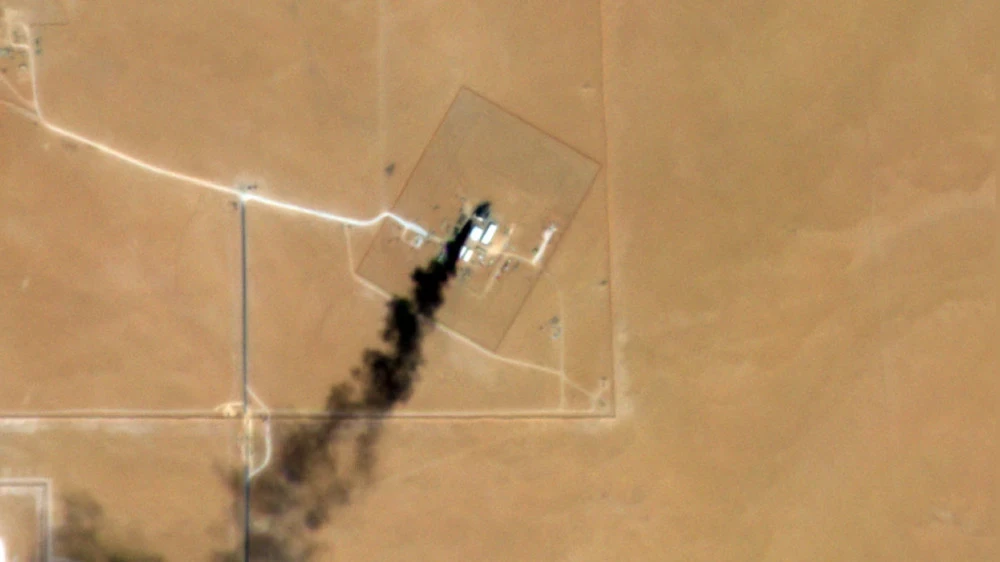
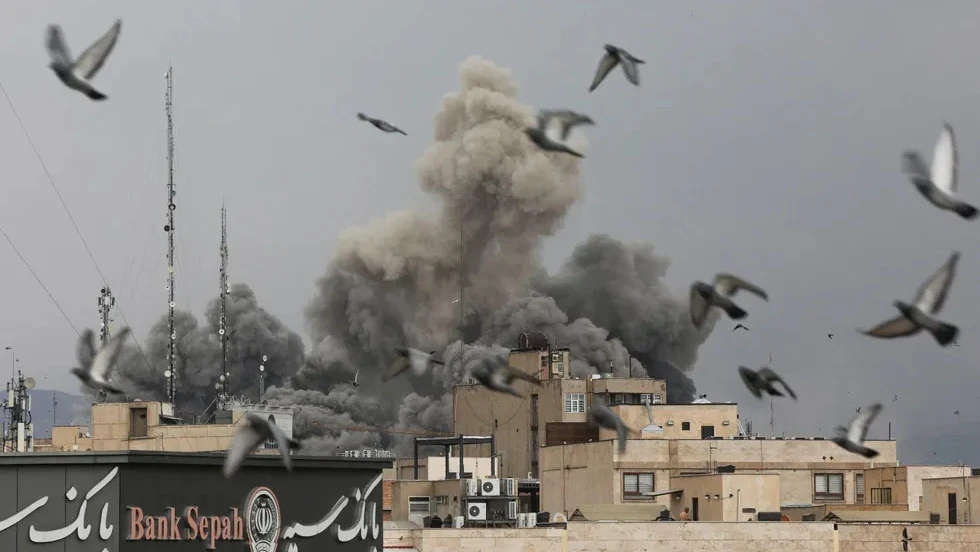
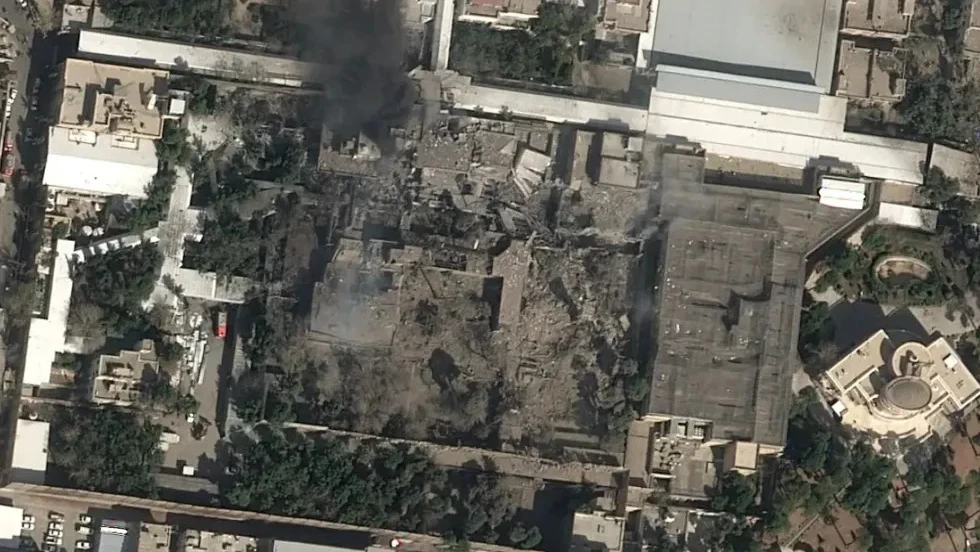
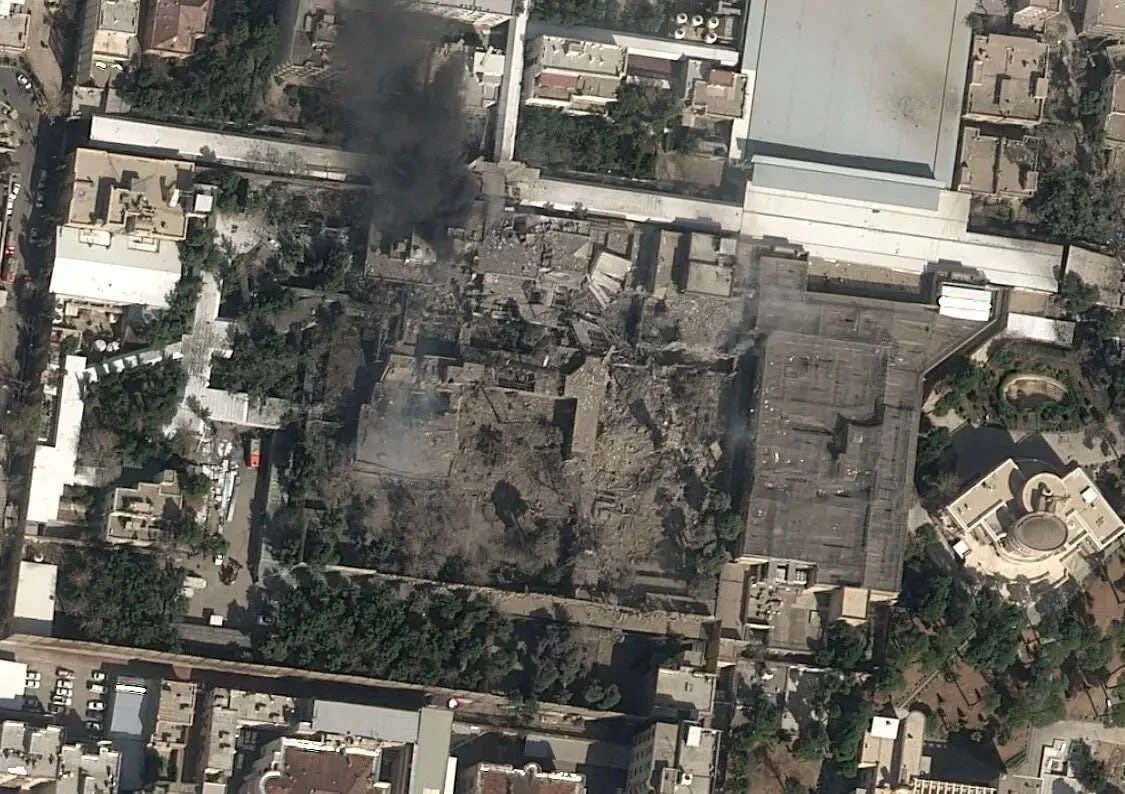
From March 15 to 16, the U.S. and Israel resumed air and missile strikes on Iran's military infrastructure, affecting cities such as Tehran, Hamadan, and Isfahan. The list of potential targets for attacks is expanding.According to Iranian sources and international news agencies, at least 15 people were killed in one of the strikes in Isfahan.
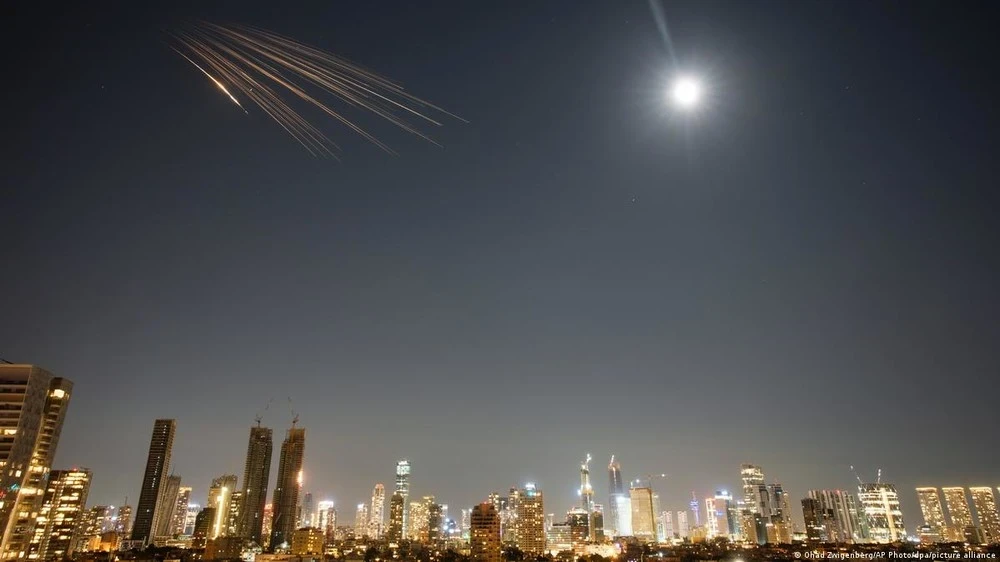
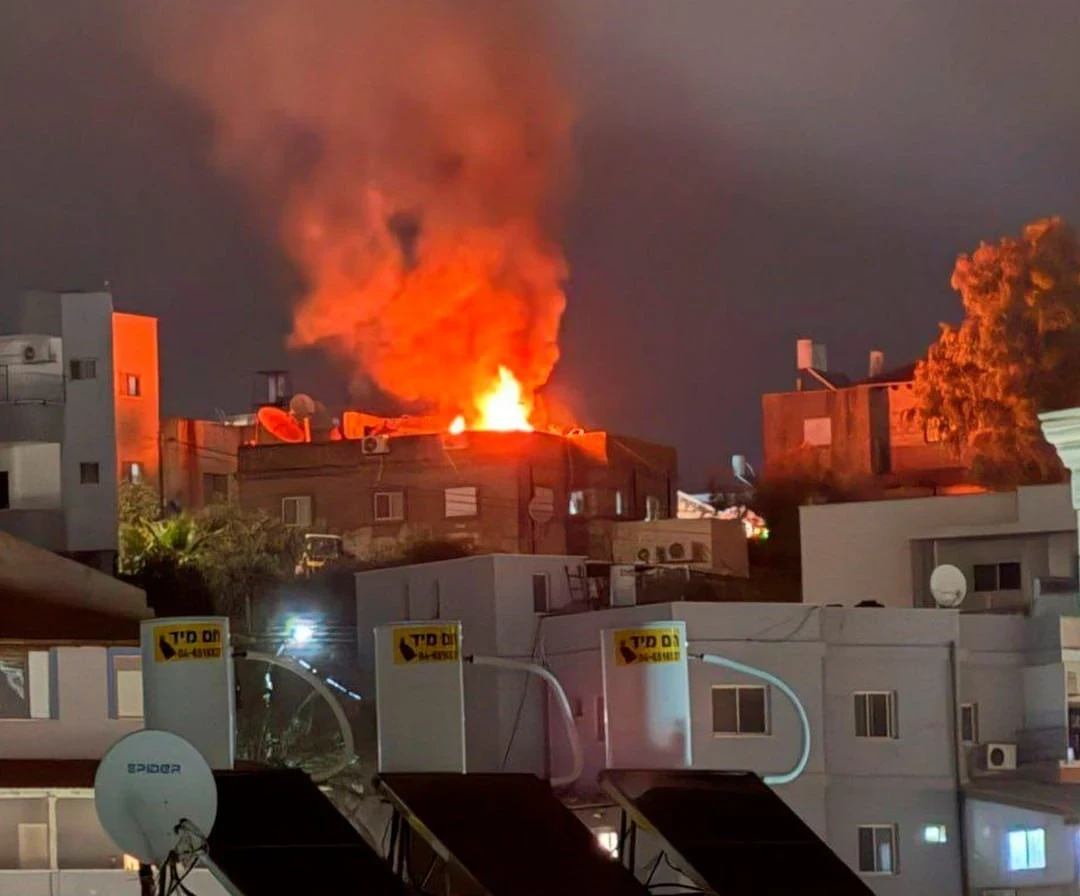
In response, Iran continues to conduct missile and drone attacks on Israel and U.S. facilities in the region, claiming that the strikes were aimed at Tel Aviv and U.S. bases in Iraq and Kuwait.
Israeli rescue services report at least eight casualties from missile strikes carried out by Iran.
Israeli analysts estimate that since the end of February, Iran has conducted hundreds of drone attacks and nearly 300 ballistic missile launches toward Israel.
Scale of the Operation and Its Consequences
According to the White House, since the start of the operation, the U.S. and Israel have destroyed about 6,000 targets in Iran and sunk dozens of Iranian vessels.Risk of Conflict Escalation
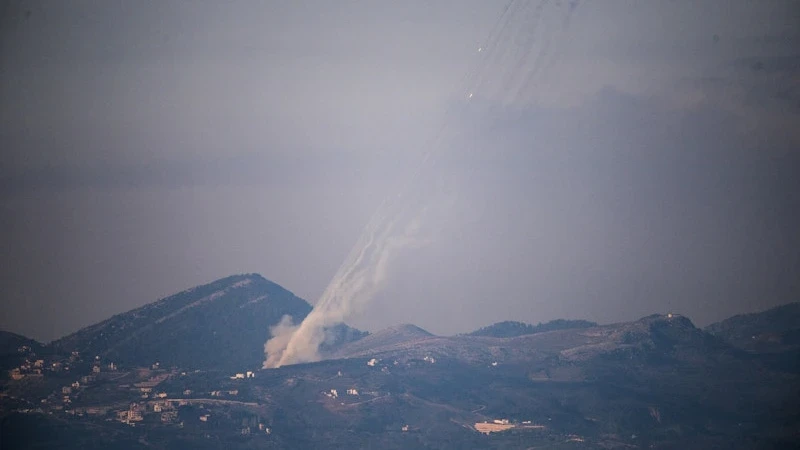
The situation is exacerbated by the involvement of Iran's allies. The Lebanese group "Hezbollah" has begun missile strikes on Israel, claiming to act in response to U.S. and Israeli actions against Iran.The group has also reported "direct" clashes with Israeli forces in southern Lebanon, where fighting has been ongoing since the evening of March 14.
Israeli Foreign Minister Gideon Sa'ar denied rumors of a shortage of ballistic missile interceptors amid the war with Iran and stated that Israel does not plan to hold direct negotiations with Lebanon in the near future.
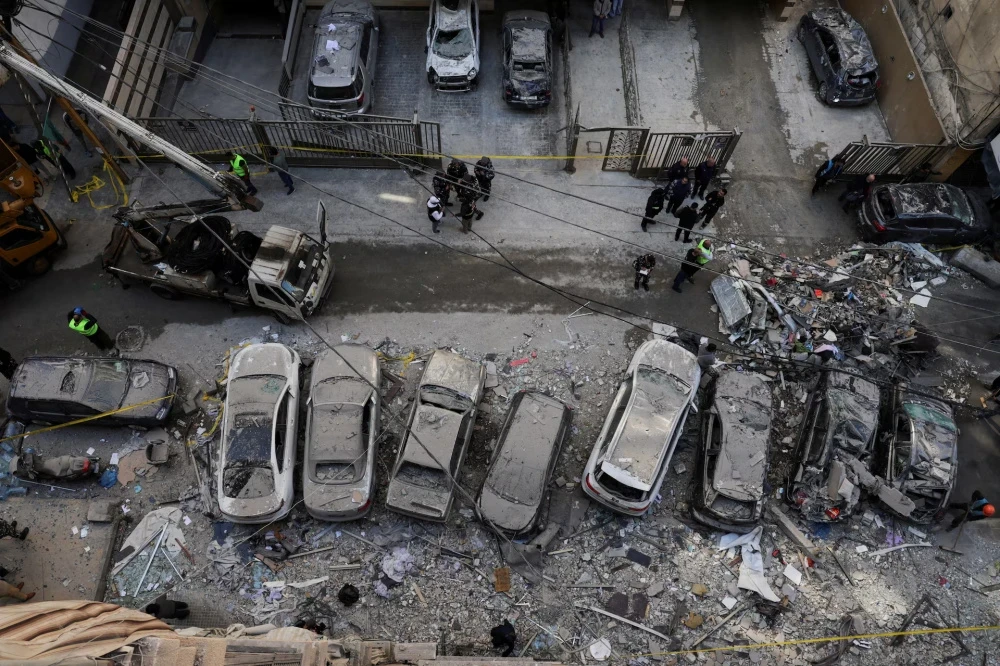
The consequences of the Israeli strike on Beirut. Photo Reuters / Emilie Madi.
Political Positions and Diplomatic Efforts
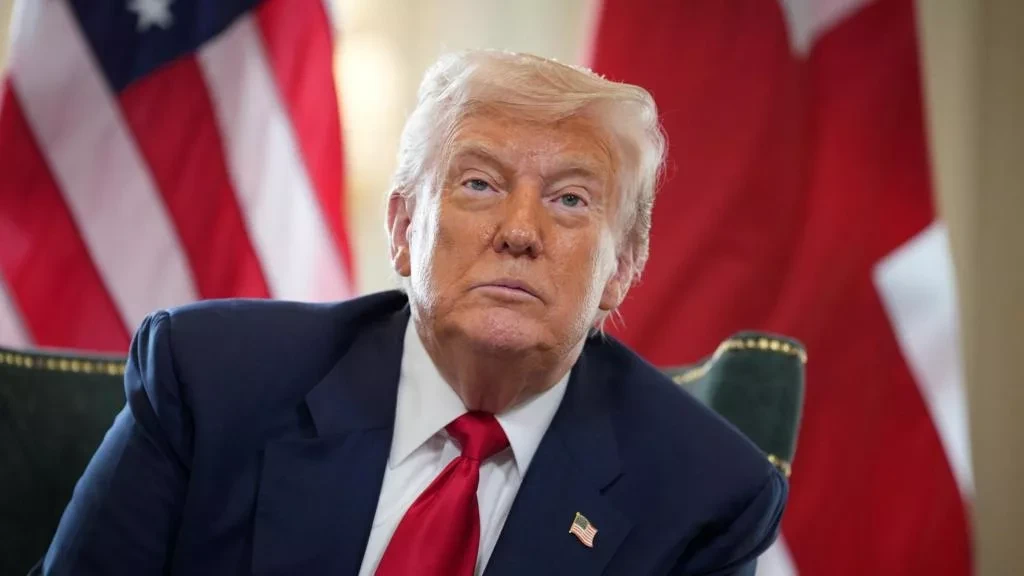
The U.S. President stated that he does not intend to negotiate with Tehran without significant concessions, including Iran's abandonment of its nuclear ambitions.At the same time, Iranian Foreign Minister Abbas Araghchi expressed readiness to discuss issues related to enriched uranium stocks if negotiations do take place.
World leaders are calling for de-escalation. French President Emmanuel Macron held talks with Iranian President Masoud Pezeshkian, urging Tehran to stop attacks on neighboring countries.
The Strait of Hormuz and Its Importance for the Global Economy
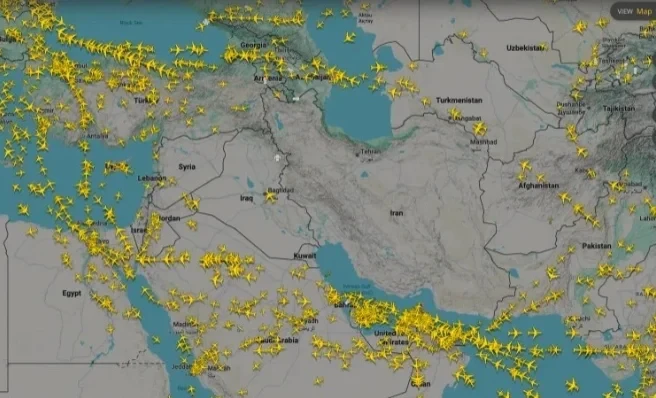
Rising tensions are also linked to the situation in the Strait of Hormuz, which is a critical route for global oil trade. The U.S. is considering the creation of an international coalition to protect shipping and ensure security in the area.U.S. President Donald Trump has called on several countries to unite in an international naval coalition to protect vessels in the Strait of Hormuz. The main goal is to send military ships to escort commercial vessels and prevent attacks on tankers, as well as to ensure the security of maritime routes and air defense in this strategically important region.