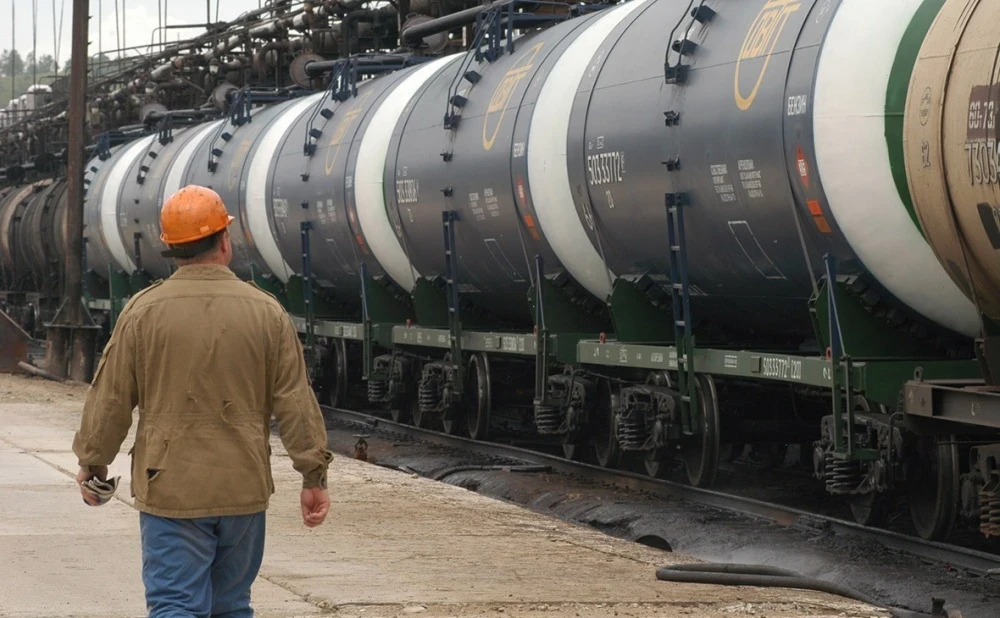
In 2025, Russian fuel supplies to Central Asia and Afghanistan increased by 15.5%, reaching 7.275 million tons. The main contribution to this growth came from the export of liquefied hydrocarbon gas, which rose by 530 thousand tons. Uzbekistan, Tajikistan, and Kyrgyzstan emerged as the main consumers, with Uzbekistan actively purchasing oil and liquefied gas from Russia under favorable conditions to address gasoline shortages.
The Russian fuel market faced instability in 2025 due to unforeseen repairs at refineries and record prices on commodity exchanges, which forced authorities to temporarily limit exports to protect domestic consumers. However, by the beginning of 2026, these restrictions were lifted to avoid excessive accumulation at oil refineries. As a result, in January 2026, exports to the region sharply increased by 44% compared to December, amounting to 0.88 million tons.
Despite a successful start to the year, experts expect the growth rate to stabilize. The main obstacle to further increases in supplies is the limited capacity of border crossings with Uzbekistan and Turkmenistan. The export of diesel fuel does not threaten the Russian market, as its production exceeds domestic needs by two times. Given the current geopolitical situation, land routes to Asia are becoming strategically important for Russia due to their resilience to external pressure.