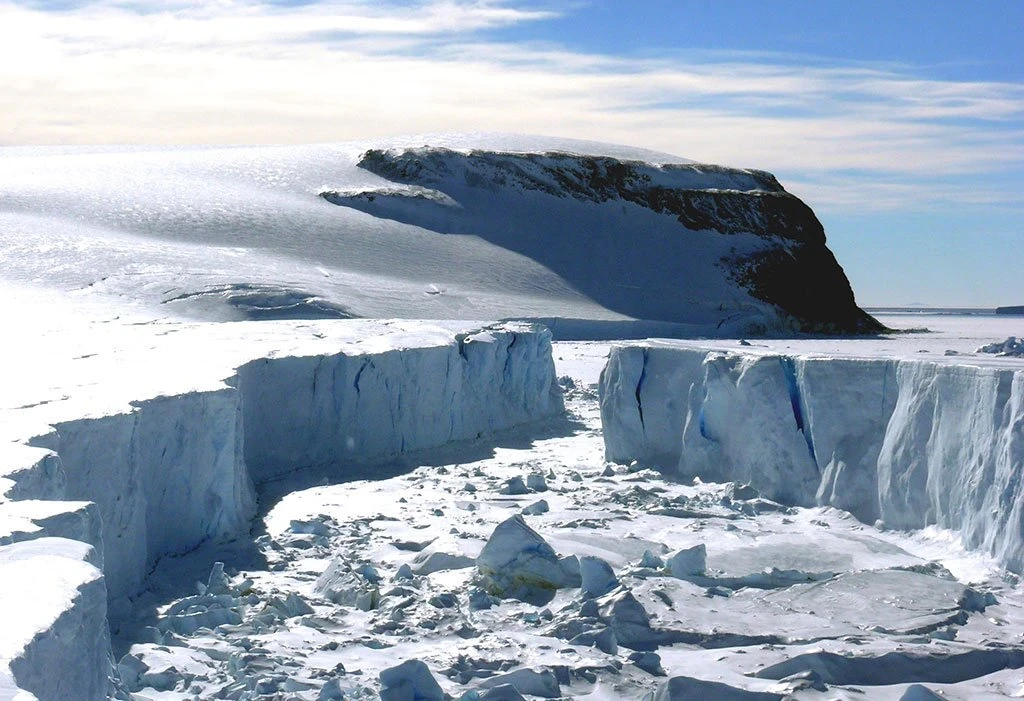
In 2019, under the leadership of Matthew Walls, researchers from the University of Calgary conducted an analysis of this remote area. The islands are located in the Pikiaasorsuak polynya—a zone of unfrozen water surrounded by sea ice. Studies of marine sediments have shown that the polynya formed about 4500 years ago, which coincides with the time when the first settlers likely arrived.
Archaeologists found traces of paleo-Eskimos on Isbjørn Island, which is part of the Kitisissut group, including the remains of a circular tent. This discovery confirms that ancient people possessed the necessary navigation skills and courage to cover great distances in the harsh conditions of the northern latitudes. John Darwent, an archaeologist from the University of California, Davis, who was not involved in the study, noted the significance of this finding, emphasizing that these mariners were the first explorers of these lands.
This discovery contributes to the understanding of migration routes and the adaptive capabilities of ancient Arctic cultures. The ability to cross open water spaces allowed them to explore new territories and utilize available resources, which was critically important for survival in extreme climate conditions. The research provides important data on the settlement of the Arctic and demonstrates the high level of skill of ancient mariners.