Instead of the existing system, a new structure will be implemented in universities, which includes basic higher education lasting from four to six years and specialized higher education, which will take from one to three years. Postgraduate studies will be designated as a separate level of the educational system.
It is important to note that students who are already enrolled in bachelor's and master's programs will be able to complete their courses according to the previous curricula, as the changes will not affect them.
Among the universities that will transition to the new model in 2026 are the Far Eastern Federal University, the Moscow City Pedagogical University, Bauman Moscow State Technical University, the Moscow Institute of Physics and Technology, Pirogov Russian National Research Medical University, and the Russian University of Transport (MIIT), as well as several other educational institutions.
The press service of the Ministry of Science and Higher Education of the Russian Federation clarified that this is an expansion of the pilot project, not a mass abolition of bachelor's and master's degrees. A large-scale transition to the new educational system is planned for the 2027-2028 academic year and will affect all universities in the country, regardless of their ownership and departmental affiliation.
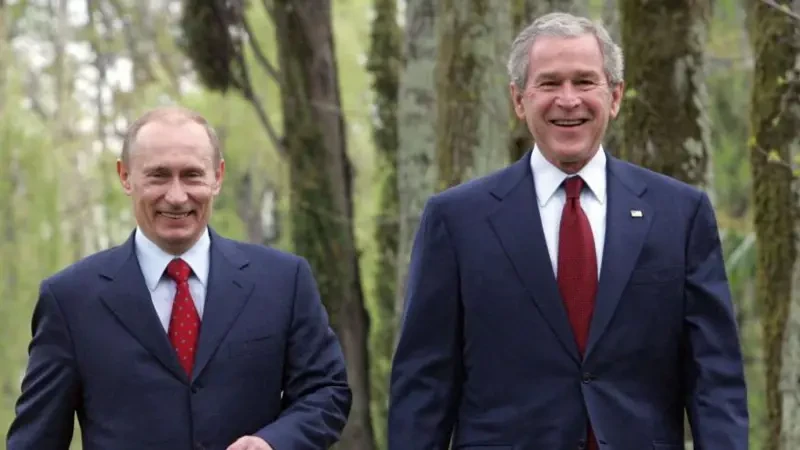
Recall that in May 2023, Russian President Vladimir Putin signed a decree to initiate a pilot project for the reform of higher education. Initially, the new model was tested in six Russian universities.
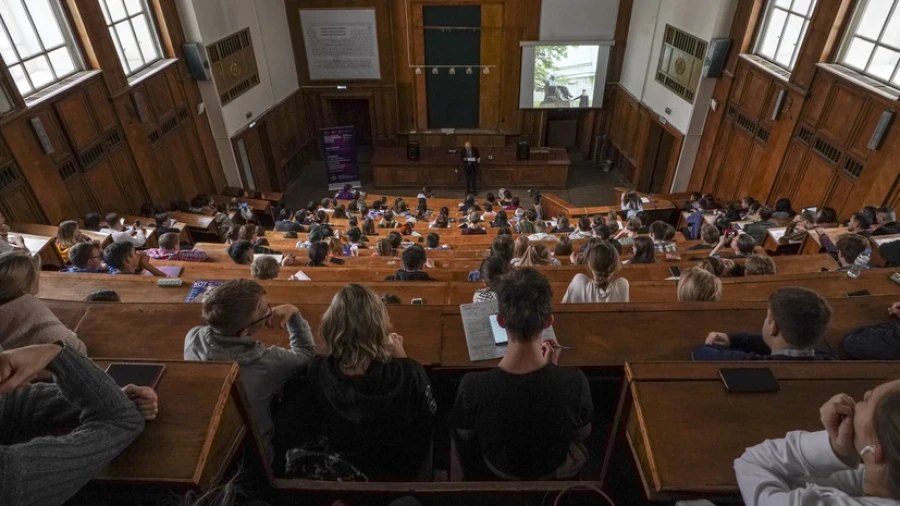
According to the latest official data, more than 11,000 citizens of Kyrgyzstan are studying at Russian universities. About half of them are studying on a budget basis, while the others are on a contract basis.
The education of citizens of Kyrgyzstan in Russia is also carried out under intergovernmental agreements and quotas provided by the Russian side.