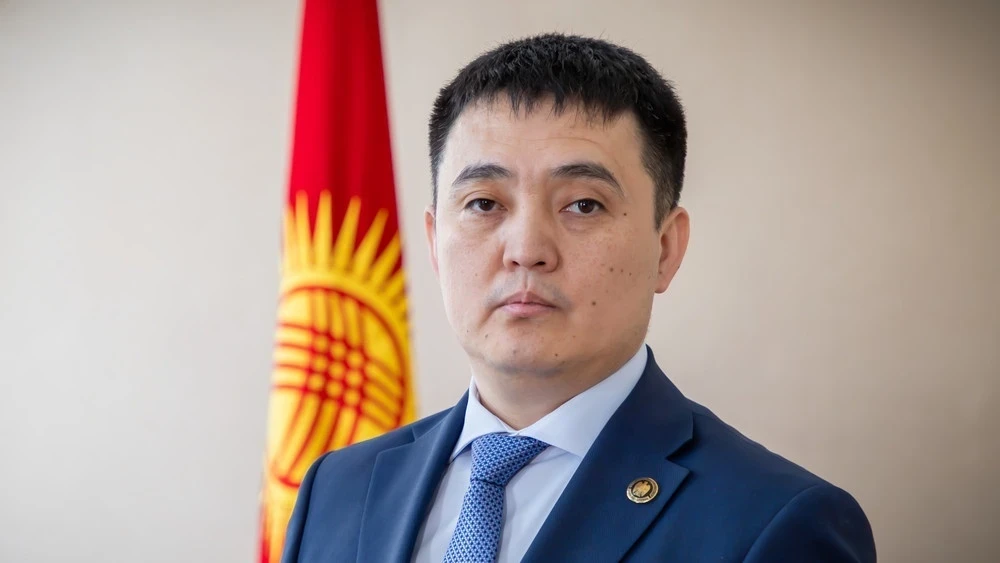
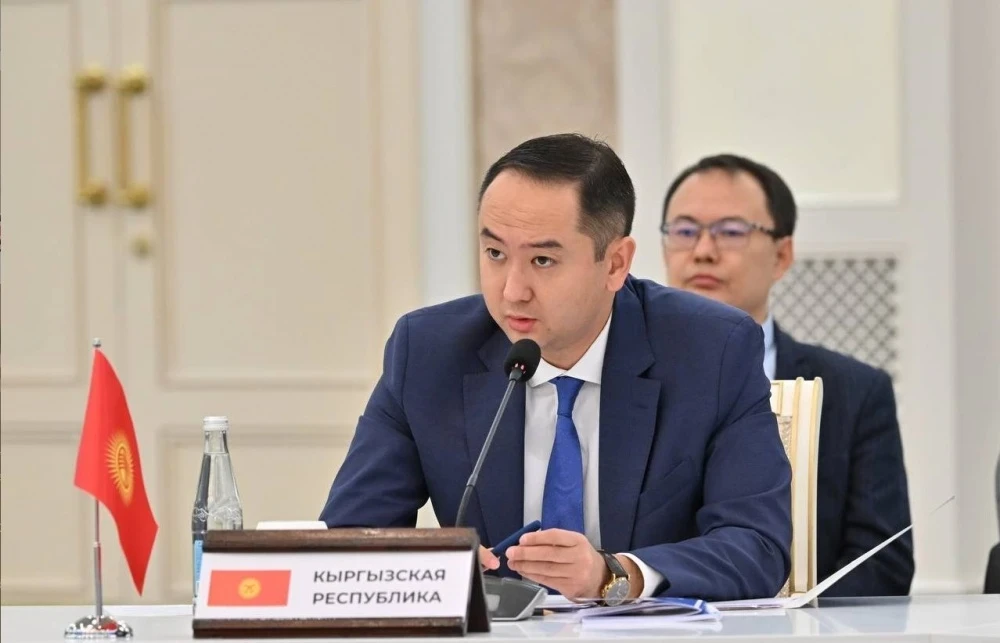
As reported by the First Deputy Minister of Justice of the Kyrgyz Republic, Almazbek Zarylbek uulu, a provision will be added to the Civil Code that recognizes electronic money as part of property.
“This implies that digital wallets and the funds contained in them can be inherited just like traditional bank accounts,” he noted.
The proposed changes to the Law on Payment Systems introduce a clear procedure: after the death of the owner of electronic money, the issuer will be obliged, at the request of a notary or heirs, to block transactions, provide information about the availability of funds, and transfer them to the heirs after confirming their rights.
The changes will also affect the Law on Banks and Banking Activities: it will be clearly stated that banks must provide notaries with information not only about the deposits of the deceased but also about electronic money, safe deposit boxes, metal accounts, and other assets,” he added.
According to the deputy minister, there are more than 6.6 million electronic wallets registered in the country, and the lack of a unified inheritance procedure is already causing disputes and misunderstandings. The new draft law aims to eliminate legal gaps and protect the property rights of citizens.
Deputies also suggested clarifying the definition of “electronic money,” pointing out that citizens' accounts may contain currencies from various countries.
Deputy Meder Chotonov inquired how an heir could find out about the existence of funds belonging to a deceased relative in banks. The Deputy Minister of Justice replied that the draft law would allow notaries to send requests to banks for information about the deposits of the deceased, and banks would be obliged to provide this data.
Chotonov also suggested considering the possibility that if the deceased owner of electronic money has no heirs, then after a certain period, for example, 5-10 years, these funds could become the property of the state.
The Deputy Minister noted that according to legal norms, electronic money is stored in banks for an indefinite period, but he promised to take the deputy's initiative into account.