In 2026, the Ministry of Labor, Social Security, and Migration of Kyrgyzstan will launch a series of social initiatives, including new payments for families with children and the expansion of employment programs. The first deputy minister, Kamchybek Dosmatov, discussed the upcoming changes that will affect Kyrgyz citizens, as well as measures to reduce unemployment and support labor migrants, in an interview with a correspondent from VB.KG.
- Kamchybek Sultanmuratovich, what tasks are a priority for the Ministry of Labor in 2026?
- First and foremost, we strive for every citizen of the country to live with dignity and feel stability. This is the main goal set by President Sadyr Nurgoyevich, Prime Minister Adylbek Kasymaliev, and our minister Kanat Sagynbaev. We act in accordance with their clear vision for the future of the country.
In 2026, we will focus on several key areas: supporting vulnerable citizens, developing labor relations, regulating migration, and digitizing the social sphere. An important aspect will be the support of motherhood and childhood, where significant changes await us.
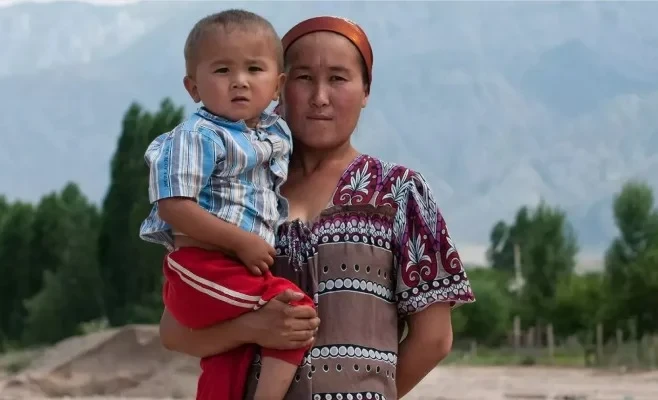
Starting January 1, 2026, the "Bala Bereke" payment will be launched for mothers of many children living in high-altitude and hard-to-reach regions. The payment amounts are impressive: 100,000 soms for the fourth child, 1 million for the seventh, and 2 million for the tenth and subsequent children. The payment is made when the child reaches one year of age.
A monthly allowance called "Biiyik tooluu aymaktardyn zhashooshuularyna komok" will also be introduced for families living in remote areas, starting from the third child until they reach three years of age. The amount of the allowance is 3,000 soms, regardless of the family's income level.
Special attention is given to the "Social Contract" project, which has become not just assistance, but a real tool for earning. We are seeing positive results: the number of participants has increased from 2,800 in 2022 to 13,300 families in 2025, and the amount of support has grown from 100,000 to 150,000 soms. The first 14 families have already started earning more than 1 million soms per year.
In 2026, support is planned for more than 13,000 low-income families so they can start their own businesses. For 1,000 participants, interest-free loans of up to 200,000 soms will be available, marking a new stage in the development of their businesses.
Starting July 1, a new program "Bala Yrysy" will begin, providing monthly payments of 1,200 soms for each child under three years of age, regardless of the family's income. According to the National Statistics Committee, this will cover about 445,000 children, with over 6 billion soms allocated for implementation annually.
The "Kelechekke salym" program, launched in 2024, will also continue to operate. In 2025, 3,378 children's accounts were opened with a total amount of 684 million soms, and about 100 orphans were able to use these funds.
All these measures represent not just statistics, but important investments in the future of our country.
- Why is the unemployment rate not changing as quickly, and what measures are you taking to accelerate the process?
- Overall, the situation in the labor market is stable; however, there are objective factors slowing down employment growth.
As of September 1, 2025, the population of Kyrgyzstan was 7.373 million people, of which 2.86 million are of working age, and 2.76 million are employed. Over the past five years, employment has increased by 311,000 people.
The unemployment rate has decreased from 5.8% to 3.7%, which is approximately 104,700 people. This is a positive trend.
However, it is important to understand that population growth leads to an increase in the number of people entering the labor market, and job creation must outpace this growth.
There is also a structural problem: the share of informal employment is over 24%, and there is a shortage of qualified specialists.
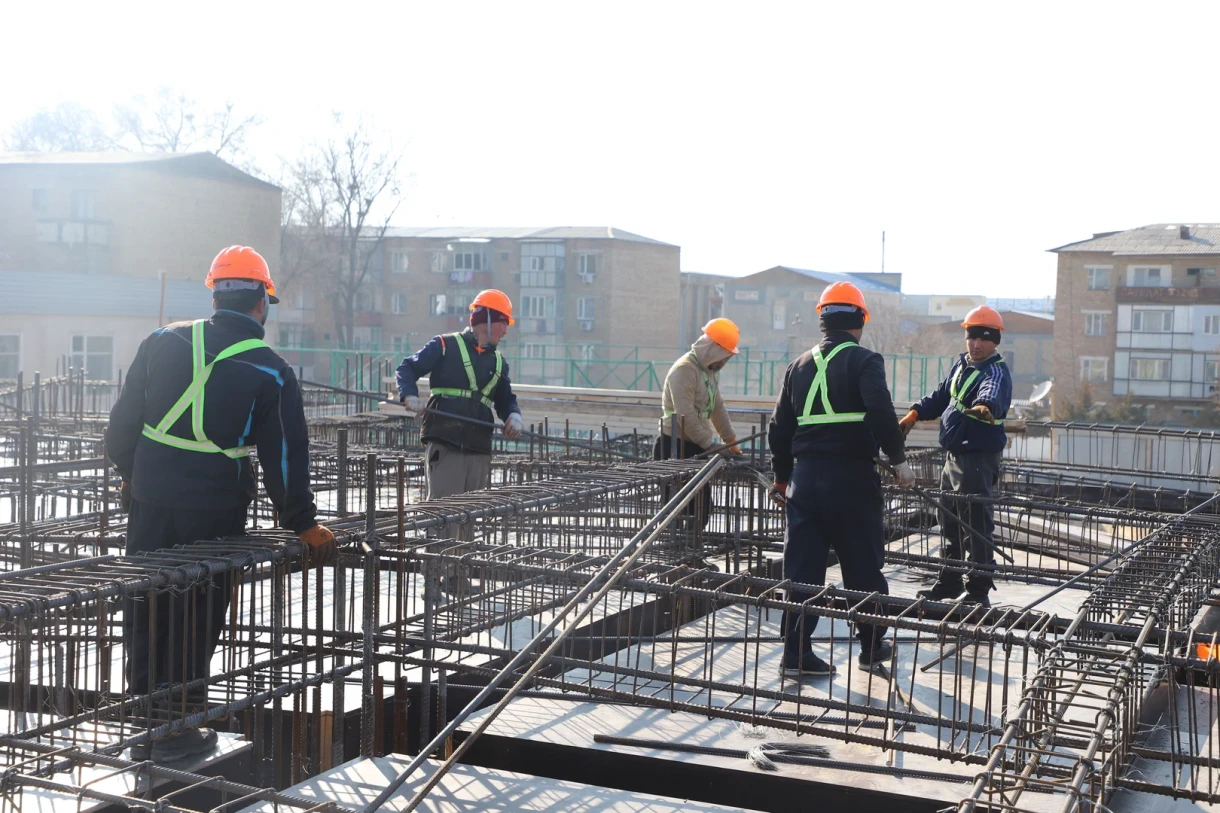
To accelerate the situation, we are taking several steps. First, we are launching training and retraining programs that meet the real needs of the market, not just formal requirements. Second, we are implementing the "Youth Internship" project, where the state pays a stipend of 8,600 soms so that young specialists can secure a job. The third direction is the active development of self-employment through the "Social Contract".
- How does the ministry protect Kyrgyz citizens working abroad?
- Protecting citizens working abroad is a priority task. We are strengthening organized employment to reduce risks associated with unscrupulous intermediaries. It is important for a person to go abroad for work officially and to know their rights.
We pay great attention to pre-departure training, educating them on legal aspects and informing them about the labor laws of the destination countries.
As part of the National Program until 2030, we are working to expand consular protection for our citizens so that they have access to medical and educational services, as well as pension mechanisms.
Next year, we plan to open pre-departure training centers, starting from Osh and expanding the network in the regions.
- Will social payments for low-income families be increased?
- Our social policy strategy is changing: we are moving from dependency to development. The "Social Contract" program is a vivid example of this approach: more than 30,000 families have already become entrepreneurs and transitioned from receiving benefits to earning income.
Support measures are also being expanded. New payments for high-altitude areas, as well as the "Bala Bereke" and "Bala Yrysy" programs, have been in effect since January. The amount of social contracts has been increased to 150,000 soms.
As for the possibility of further increasing payments, this will depend on the state of the budget and the economy. But overall, we continue to strengthen social support.
- What changes are expected in the social services system?
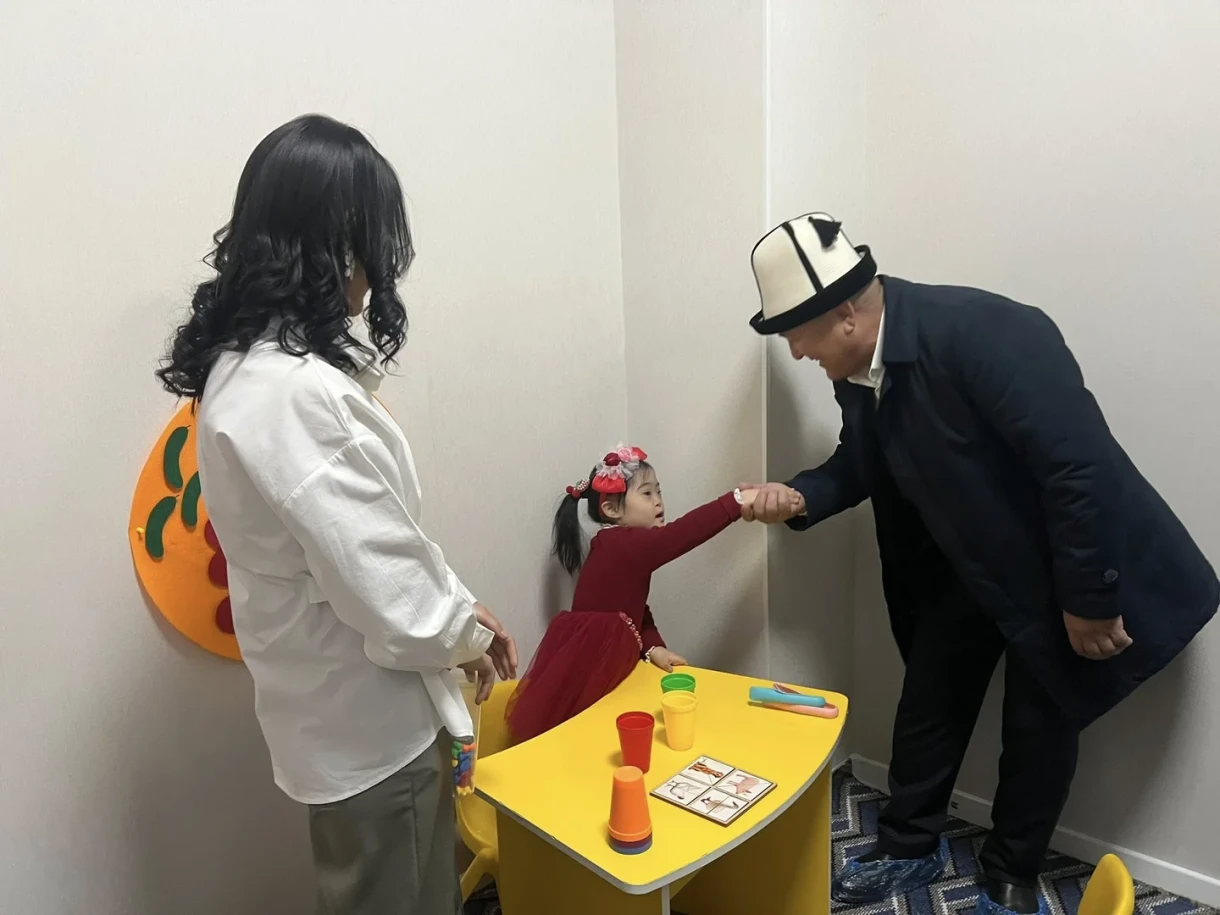
- We are actively developing the social services market, especially for the elderly and people with disabilities.
Currently, personal assistants are functioning, providing real help to those in need of care.
We are working on a mechanism that allows people to choose between sanatorium treatment and cash compensation.
Digitization is a key direction; the "Tunduk" system will consolidate information about health, income, and education, allowing us to move away from paper documents.
-What is being done for migrants returning home?
- We consider them an important resource for the economy. Reintegration programs are provided for returning migrants: training, entrepreneurship support, and assistance in starting a business.
A mechanism for recognizing skills acquired abroad is also being implemented. For example, if a person worked in construction according to European standards, they will be able to confirm their qualifications in Kyrgyzstan.
Additionally, the "Mekeni 1+1" program provides state funding on the condition that the migrant invests an equal amount. These funds will be used to develop businesses in various sectors, from industry to IT.
So far, 59 people have already received such support.
- What is the work with employers like?
- Yes, work is being done systematically. In 2025, an updated Labor Code came into force, which was adopted for the first time in 20 years. It takes into account modern forms of employment, such as remote work and electronic labor contracts.
We continue to adapt the regulatory framework to new realities and strengthen labor inspection.
There are plans to create a scientific and economic council to make labor decisions based on analysis and expertise.
- What sectors are most promising for youth?
- The most in-demand sectors are IT and digital technologies, with interest reaching 75% nationwide.
Next in popularity are business and management, finance, tourism, and the service sector.
In the regions, there remains interest in agriculture, while in cities, service and digital professions are in demand.
It is also worth noting the growth of platform employment, such as delivery and taxi services.
However, in all sectors, practical experience remains a key factor.
- When will a unified digital system for social payments be launched?
- We are in the implementation stage. Currently, the Unified Social Security System is being tested, which will include 22 modules covering benefits, migration, and support for people with disabilities.
At the same time, new digital solutions are being developed, including a migrant registry.
- What problems remain the most pressing?
- The most important issues remain bureaucracy and a high share of informal employment.
To accelerate changes, we are moving towards digital governance and implementing rapid reforms. For example, we have managed to reduce the number of certificates in the medical and social expertise system from six to two.
Some documents are already available online through the "Tunduk" system.
We are also working on the targeted assistance, developing the "Electronic Social Passport" as part of the "Sanarip Aymak" project.
Our goal is for assistance to reach those who truly need it, without unnecessary bureaucratic delays.