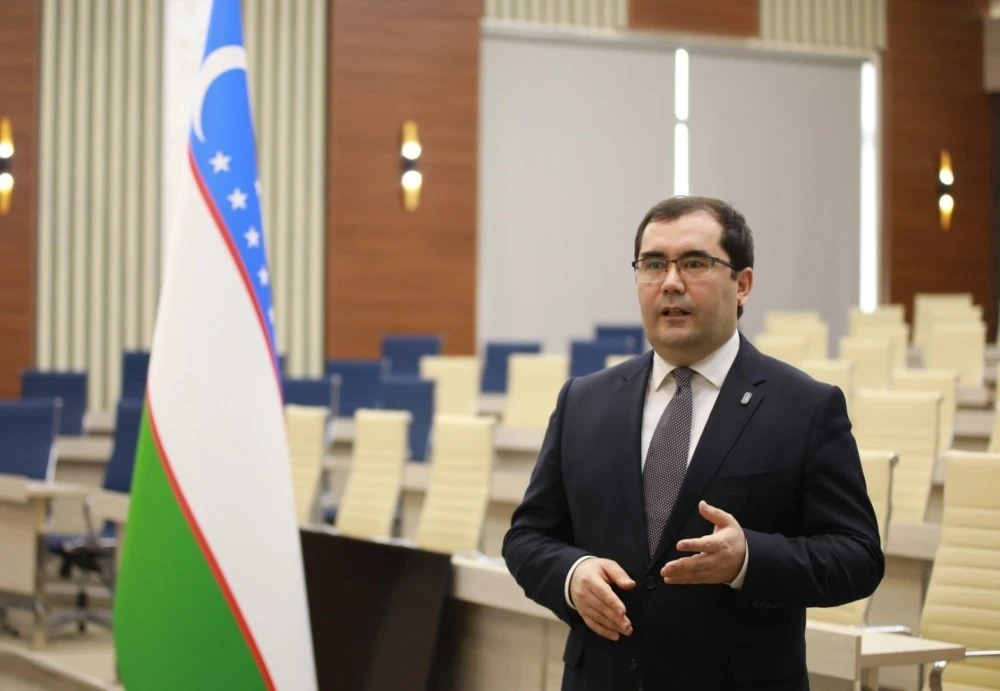
According to Mohammed Al-Jadaan, the new direction of the strategy focuses on sectors where Saudi Arabia can leverage its competitive advantages. This includes the development of artificial intelligence. For example, the technology company Humain, owned by the Kingdom's Sovereign Fund, received its first batch of modern chips from Nvidia in December.
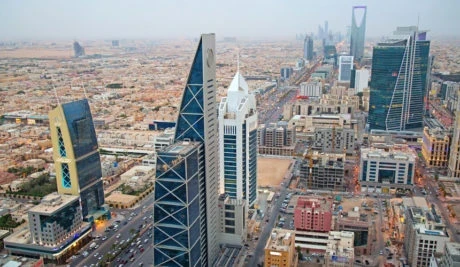
It was previously reported that the Neom project is facing serious financial difficulties and organizational problems. As reported by the Financial Times, Saudi authorities were forced to scale back construction and revise the parameters of the project, which initially had a cost of $1.5 trillion. As a result, the overall budget was reduced to $500 billion. Additionally, some major projects related to "Vision 2030" have been canceled or significantly scaled down. For instance, the Trojena ski resort project will no longer host the 2029 Winter Asian Games, and the construction of the giant Mukab complex in the center of Riyadh has been suspended.
Thus, Saudi Arabia's new strategy aims to develop those areas where the country has the potential to become competitive, thereby confirming a shift away from previous ambitious plans for economic diversification and reducing dependence on oil revenues.