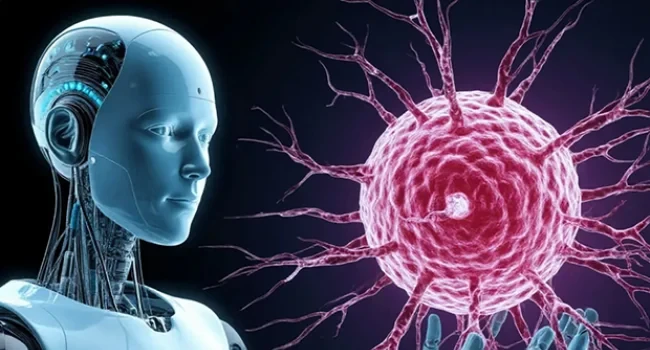
Scientists conducted an analysis of brain activity in patients under medical observation at the moment of their death. The results showed that in some of them, gamma waves, which are typically associated with conscious thinking and memory, were activated just before death.
Changes in neural activity were most pronounced in the areas of the brain responsible for perception and consciousness. This supports accounts from people who have experienced clinical death, who often report "replaying" key moments from their lives or encounters with deceased loved ones.
Researchers emphasize that such bursts are not observed in everyone. The reasons for their occurrence are still unclear, but the existence of these bursts indicates that the brain does not shut down instantly and may remain active for some time.
According to scientists, if a person does experience something during the dying process, it is precisely in that brief moment when increased neural activity is observed, similar to what people describe after clinical death.