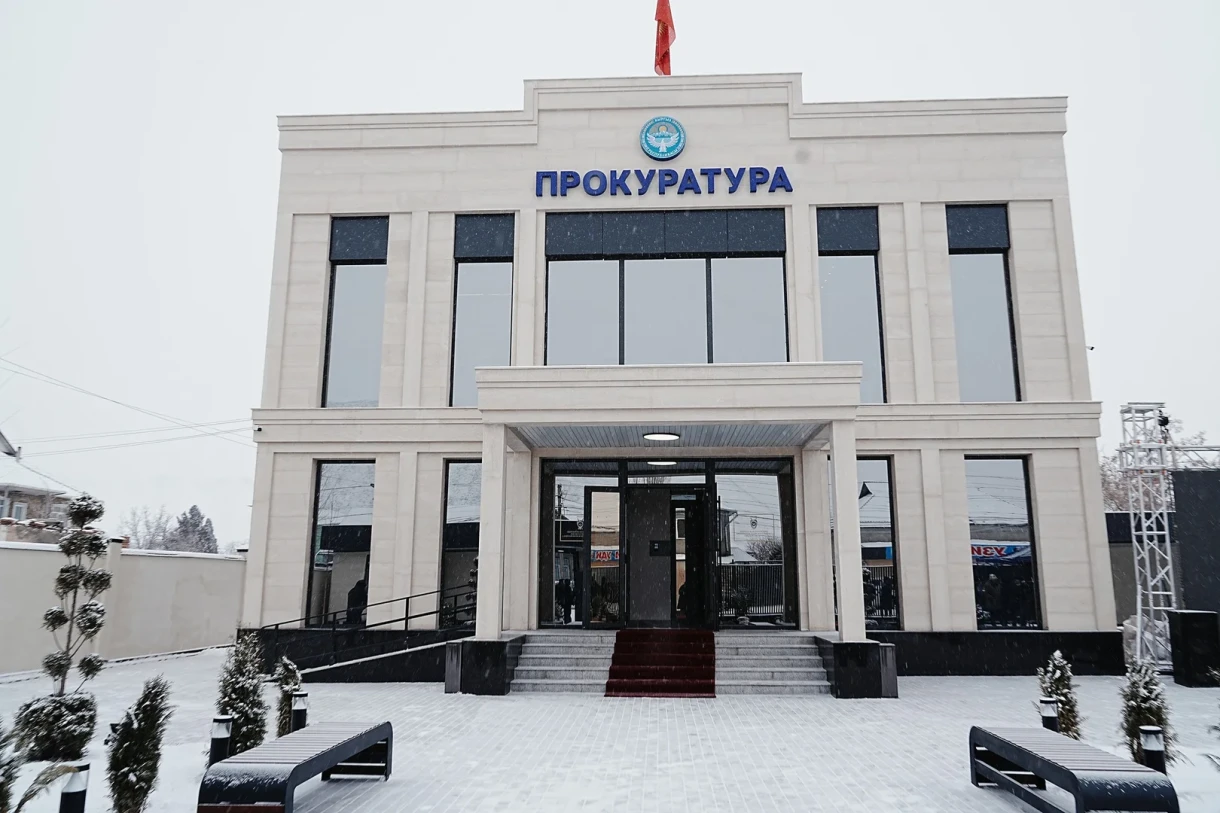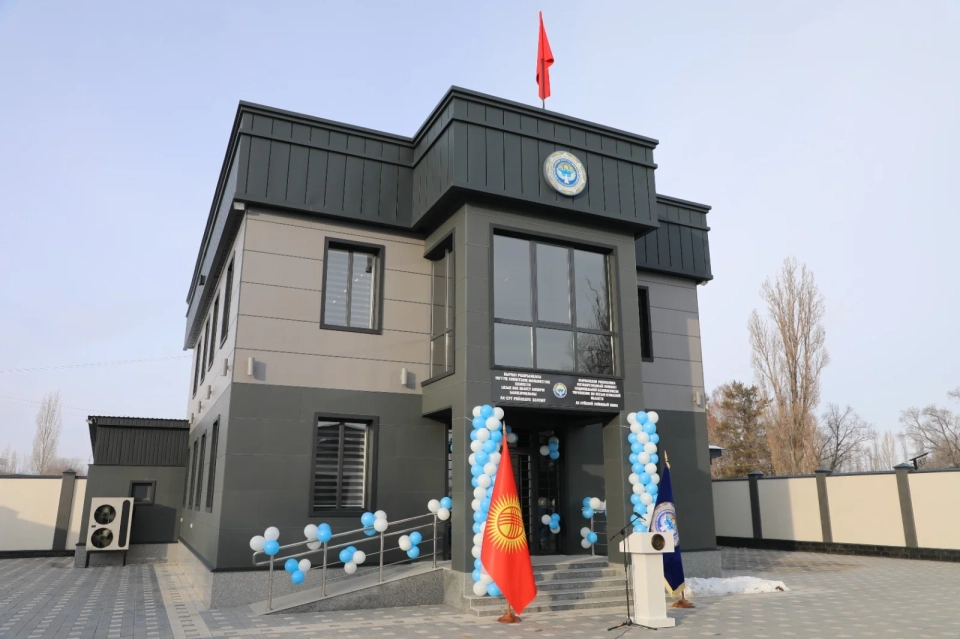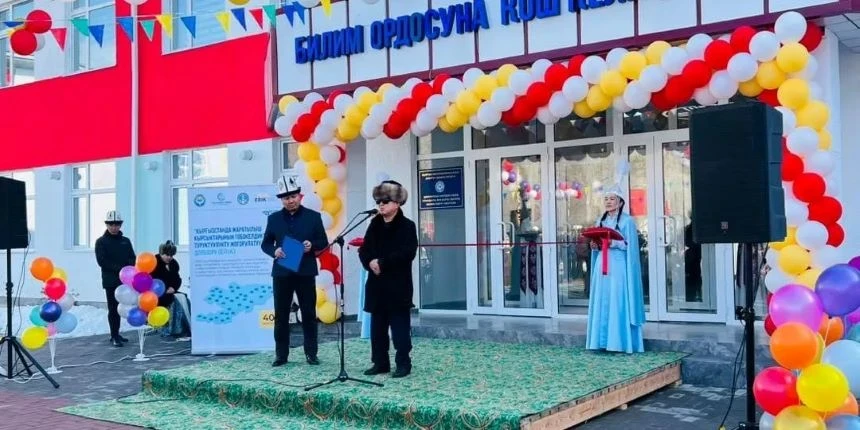
Now all classes will be held in one building, which will significantly simplify the organization of the educational process. Previously, students were taught in nine separate buildings, as reported by the press service of the Ministry of Emergency Situations.
The two-story school includes 16 classrooms, a gymnasium, an assembly hall, a library, a cafeteria, and a medical room. The physics, chemistry, and computer science classrooms are equipped with modern technologies and computers. The educational institution is also equipped with video surveillance systems, ventilation, and a backup generator that will ensure the continuation of classes even during power outages. For the convenience of children with disabilities, ramps and an elevator have been provided. Additionally, wastewater treatment facilities have been constructed.
The construction of the school was made possible thanks to the support of the World Bank under the ERIK project, which is being implemented by the Ministry of Emergency Situations. Currently, the construction and reconstruction of another 40 educational institutions are ongoing in the country.