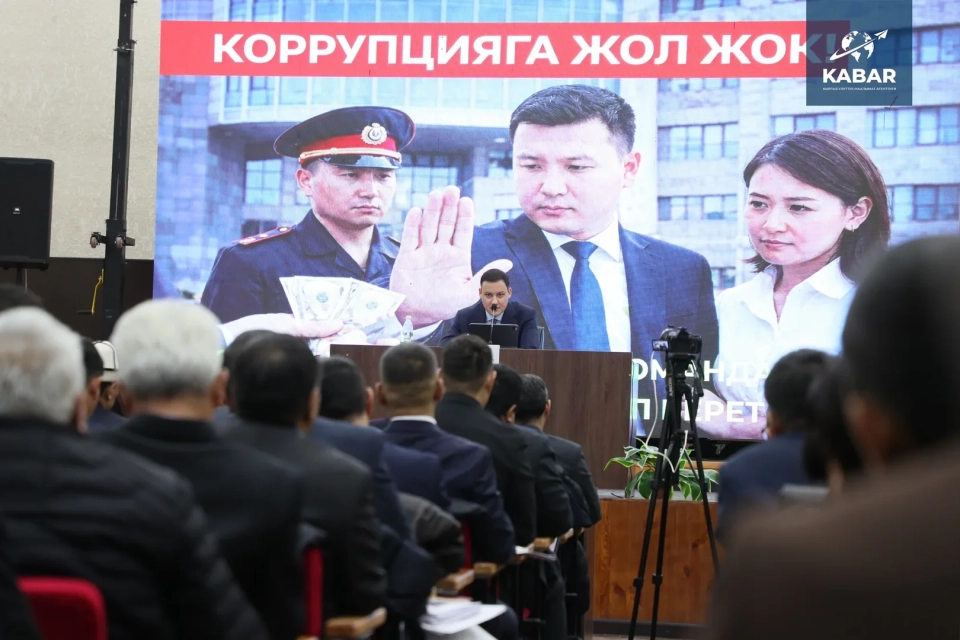
The main objective of this law is to improve existing measures to combat corruption, as well as to eliminate shortcomings in assessing the level of corrupt practices in government bodies and local self-government. The document aims to develop digital processes, organize educational and informational work that fosters the formation of an anti-corruption culture and creates an environment free from corruption. Furthermore, it aligns with the president's decree on the state strategy for combating corruption for the period from 2025 to 2030.
The content of the law includes provisions such as:
- defining the subject of regulation, the goals and objectives of the fight against corruption, as well as a clear presentation of the conceptual apparatus that eliminates ambiguity and reduces the risks of abuse;
- defining the circle of entities engaged in combating corruption, their functions and tasks, as well as the responsibilities of state and local authorities, institutions, and enterprises with state or municipal participation;
- measures to prevent and combat corruption, as well as liability for offenses related to corruption and ways to minimize and eliminate its consequences;
- assigning to the authorized body the duty to maintain a unified registry of corruption crimes and to the state body responsible for civil and municipal service — a registry of offenses related to conflicts of interest.
The law will come into effect ten days after its official publication.