According to the latest data from a joint survey by PBS News, NPR, and Marist, more than half of the US population, specifically 56%, opposes military operations against Iran. At the same time, 44% of respondents approve of the use of force. These findings are also supported by a Washington Post study conducted on March 2, in which 47% of Americans demand an immediate halt to the attacks.
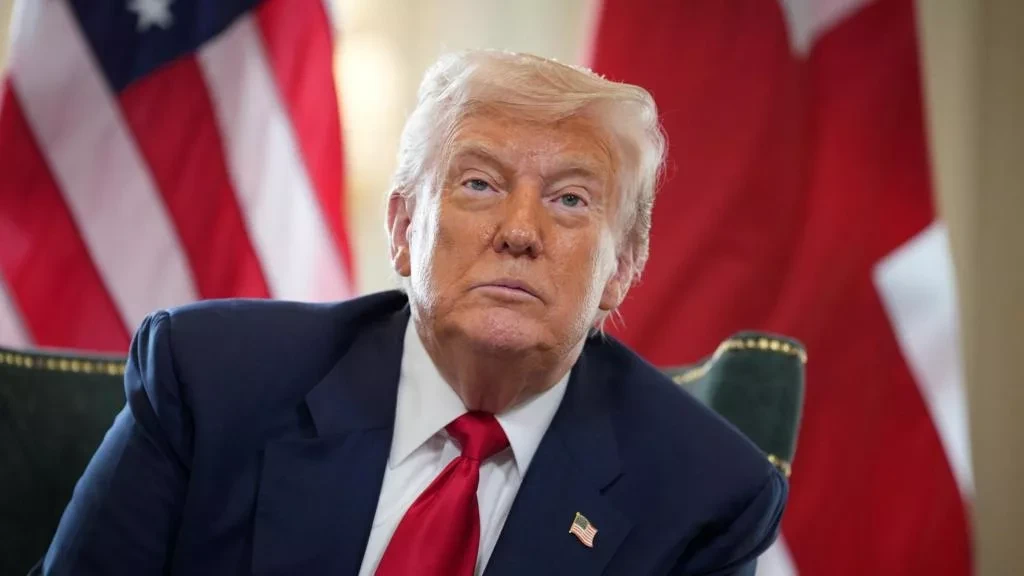
Public criticism also addresses the overall strategy of the White House in the context of the Middle Eastern crisis. President Donald Trump's policy of managing tensions between Washington, Tel Aviv, and Tehran is not supported by 54% of those surveyed, while only 36% of citizens approve of the administration's actions. Despite this cautious stance from voters and ongoing diplomatic efforts, on February 28, the US and Israel began active military operations.
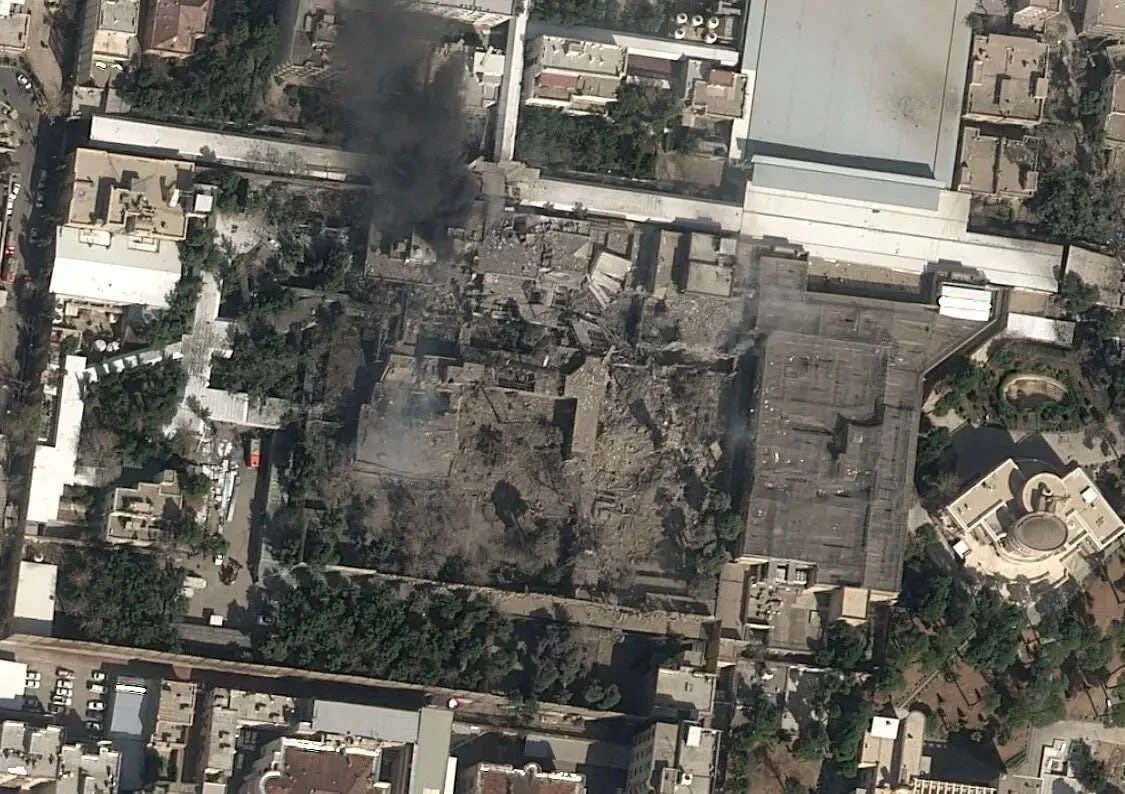
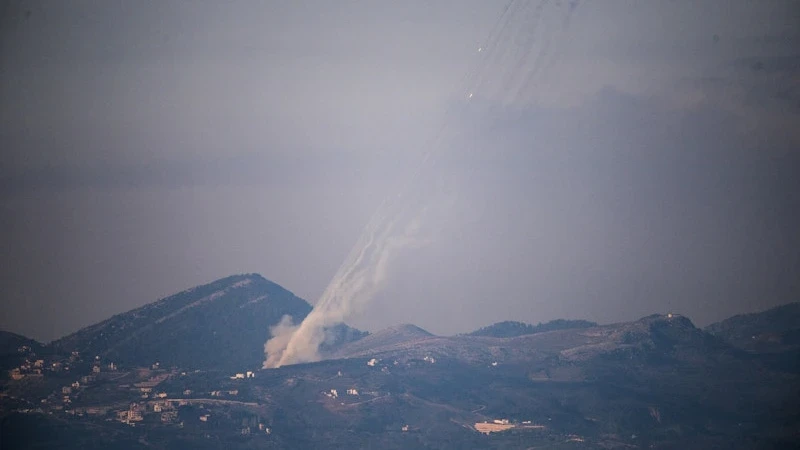
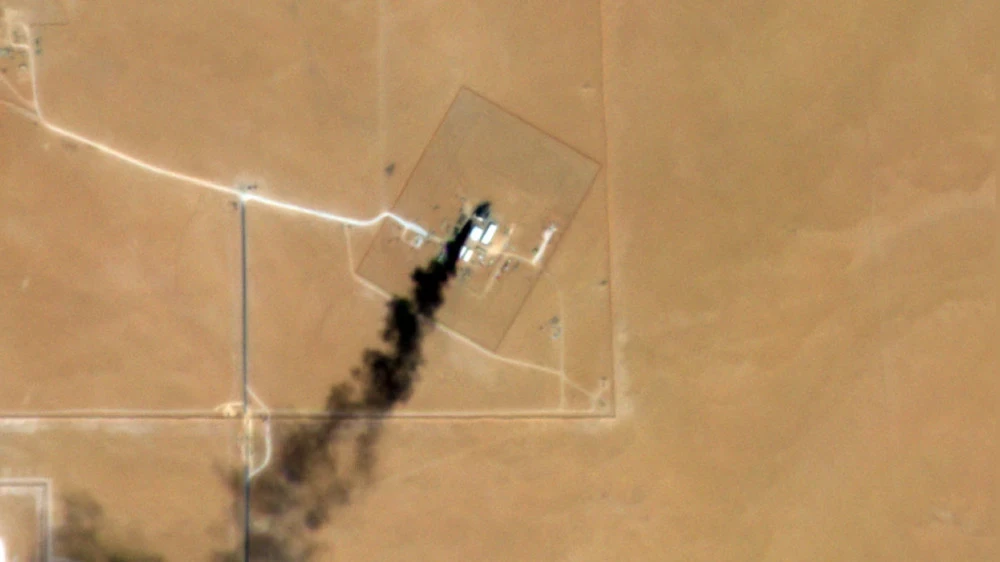
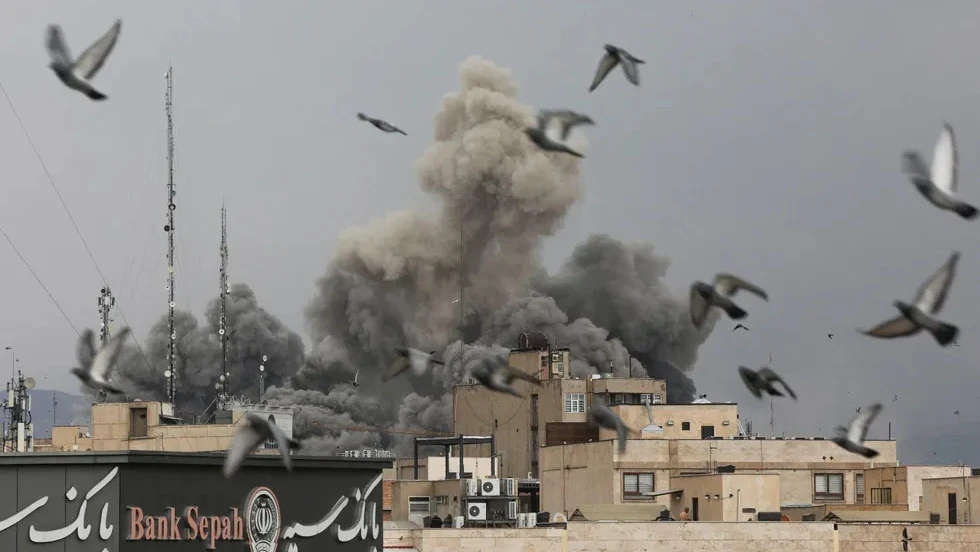
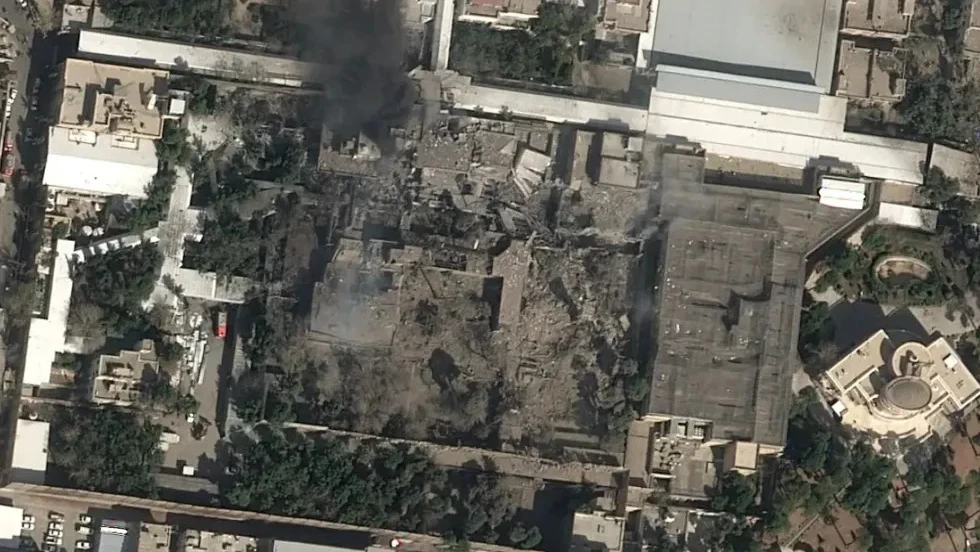
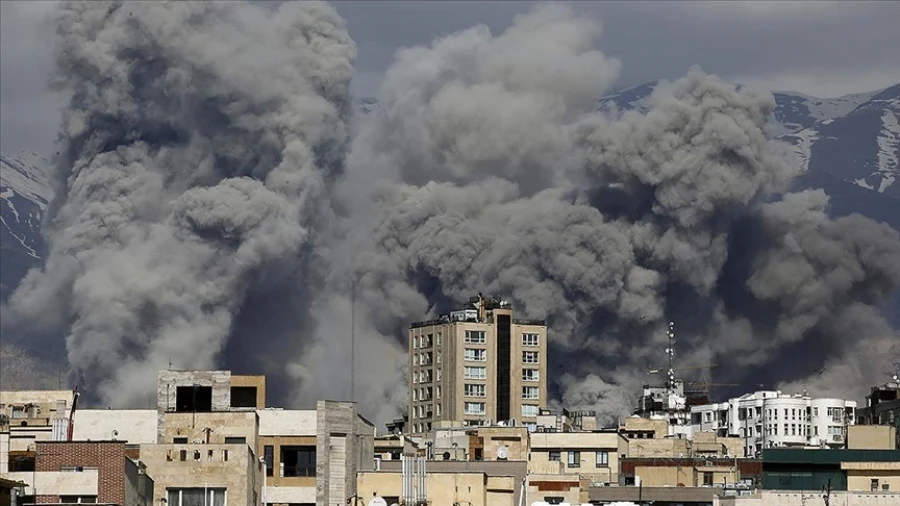
The escalation of the conflict has led to catastrophic consequences for the region's security. As a result of joint strikes by the US and Israel, Iran's Supreme Leader Ayatollah Ali Khamenei and several high-profile government officials were killed. In response, Iran conducted massive attacks on Israeli facilities and American bases located in Qatar, the UAE, and Bahrain. According to Iranian Health Ministry representative Hossein Kermanpour, the number of civilian casualties has already reached 926, raising serious concerns within the international community about the potential further expansion of the conflict.