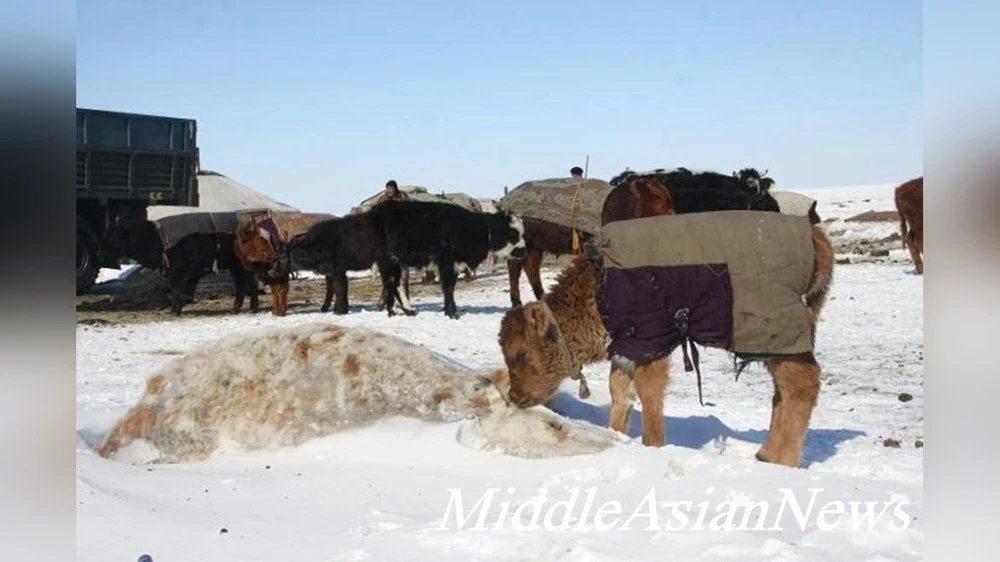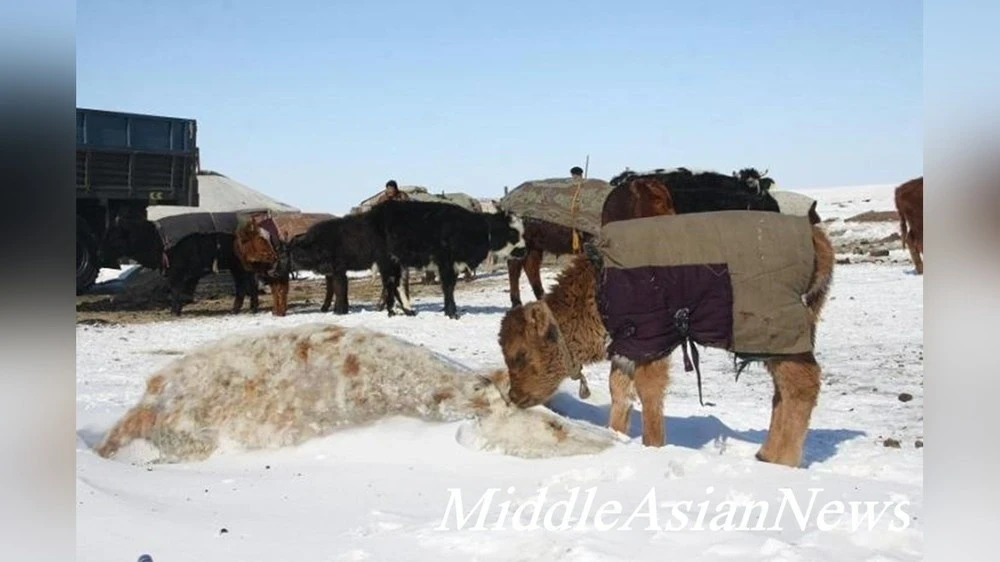
The winter cold, known as "dzud," has had a devastating impact on Mongolia's agriculture. According to data from the National Statistical Office, more than 26,300 livestock have died in various regions of the country just in January.
The most severe situation is observed in the western aimags, such as Uvs, Bayan-Ulgii, and Zavkhan, as well as in the central part of the country, in the Uvurkhangai aimag. In total, 11 out of 21 regions of Mongolia are suffering from the effects of the abnormal cold.
"Dzud" is a natural disaster typical of the steppes of Mongolia, where due to severe frosts and heavy snow, animals lose the ability to find food and consequently die from exhaustion or cold. This poses a serious problem for the country, as livestock farming is the backbone of the economy, and the lives of nearly 40% of the population depend on a nomadic lifestyle.
As of the end of 2025, the total livestock population in Mongolia was 58.1 million heads. However, annual frosts continue to pose the main threat to the well-being of Mongolian nomads.