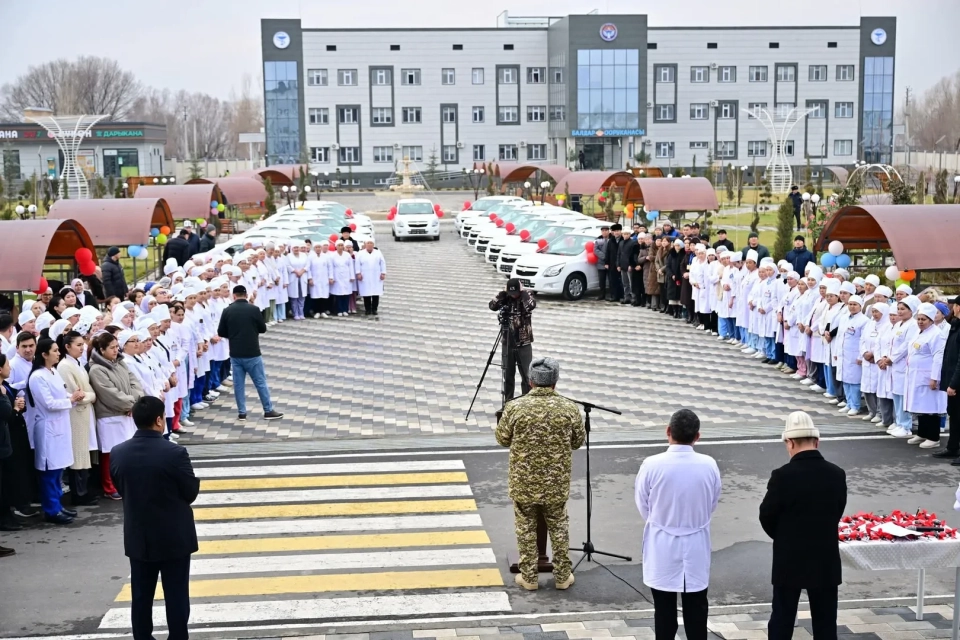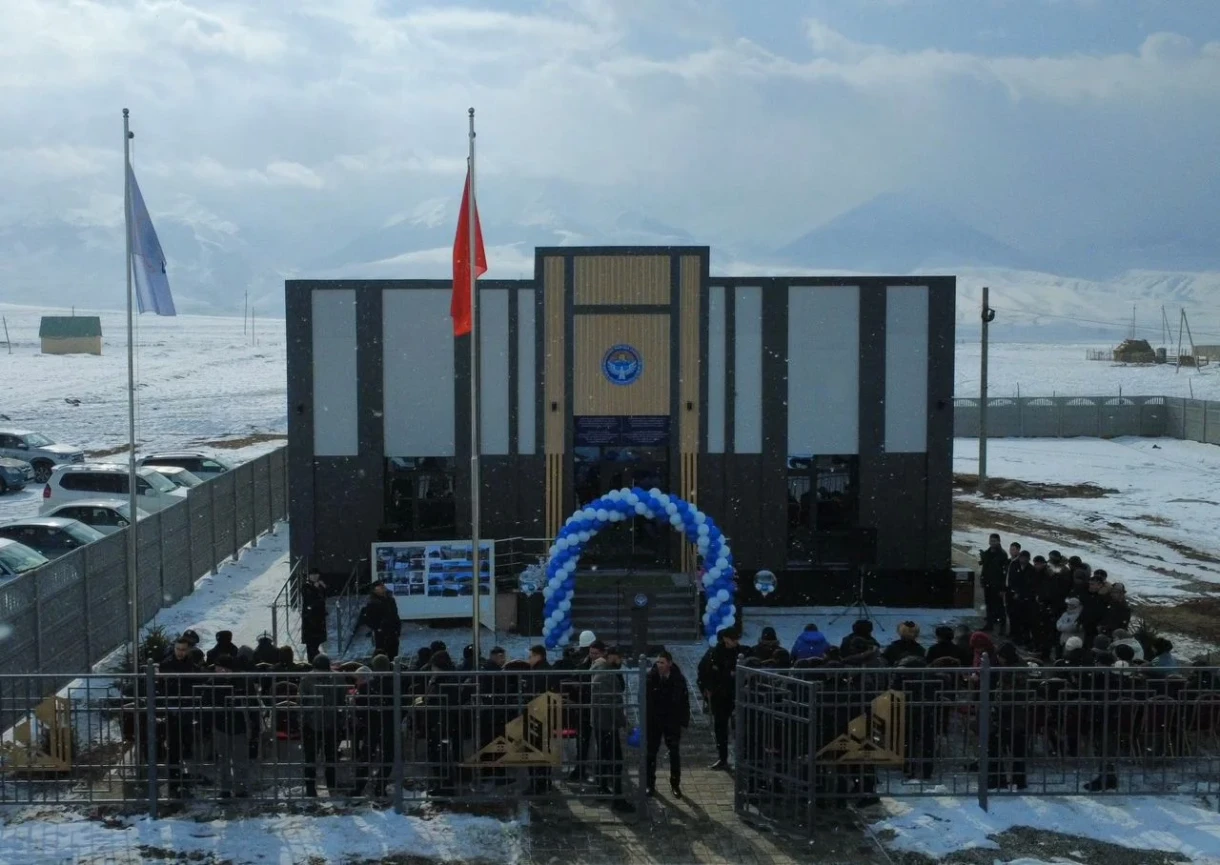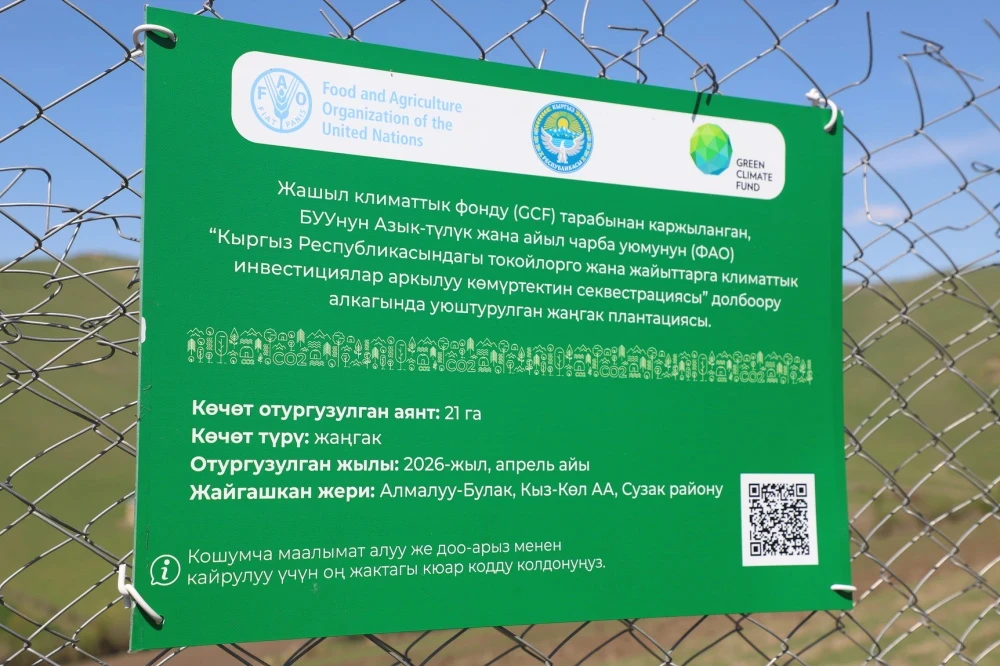
Photo by the Food and Agriculture Organization of the United Nations (FAO).
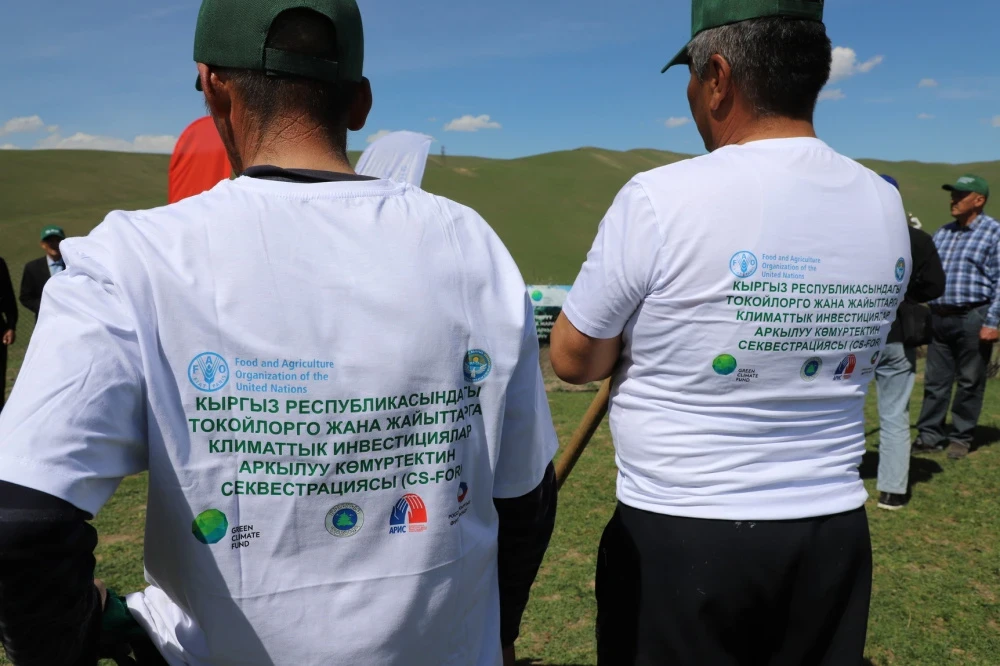
This initiative is being implemented as part of the project by the Food and Agriculture Organization of the United Nations (FAO) titled "Carbon Sequestration through Climate Investments in Forests and Pastures in the Kyrgyz Republic (CS-FOR)."
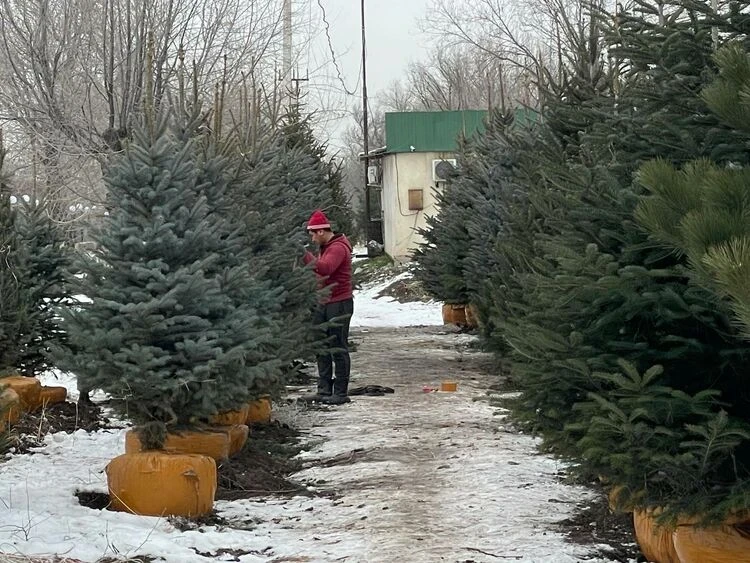
In the Suzak district, the development of 294 hectares is planned, where forest and fruit crops will be planted, including walnut, pistachio, wild apple, and cherry. These species are well adapted to local climatic conditions and have high economic potential. Of these, 224 hectares will occupy low-productive lands of the rural districts, while 70 hectares will be state forest fund lands.
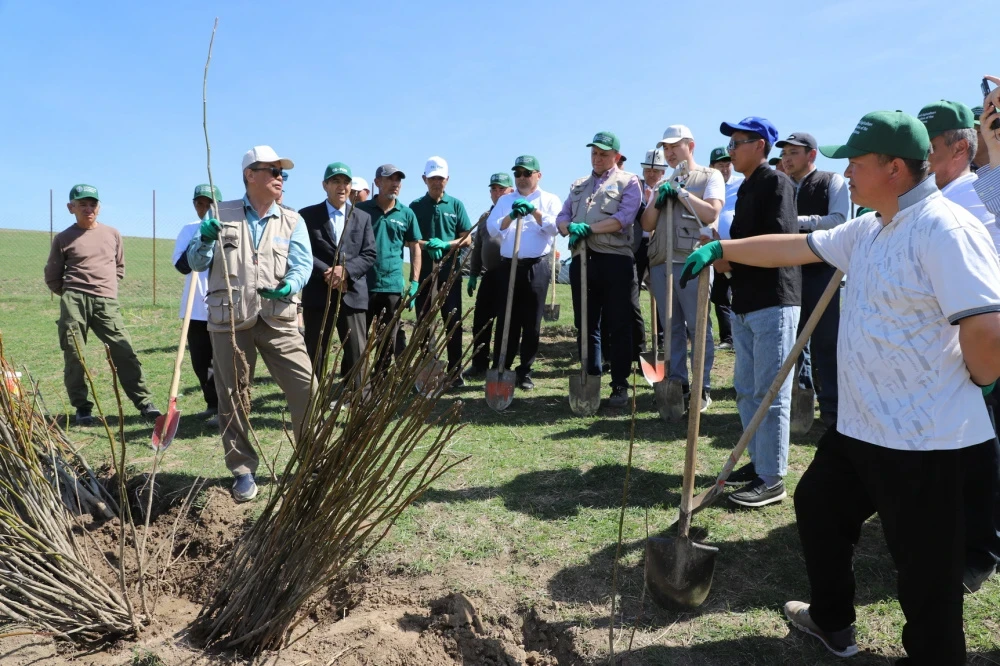
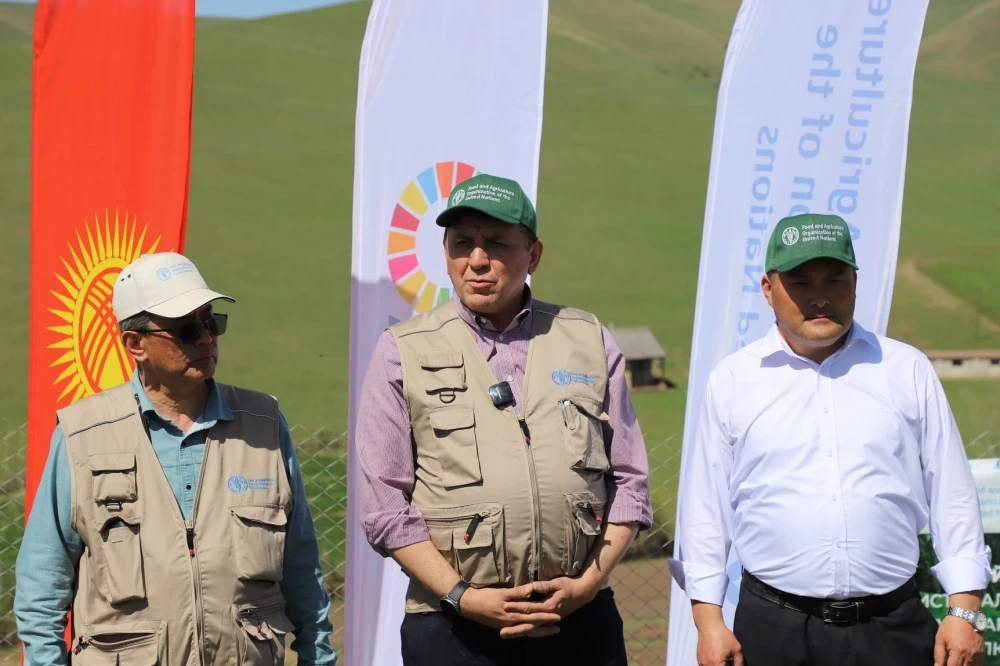
Photo by the Food and Agriculture Organization of the United Nations (FAO).
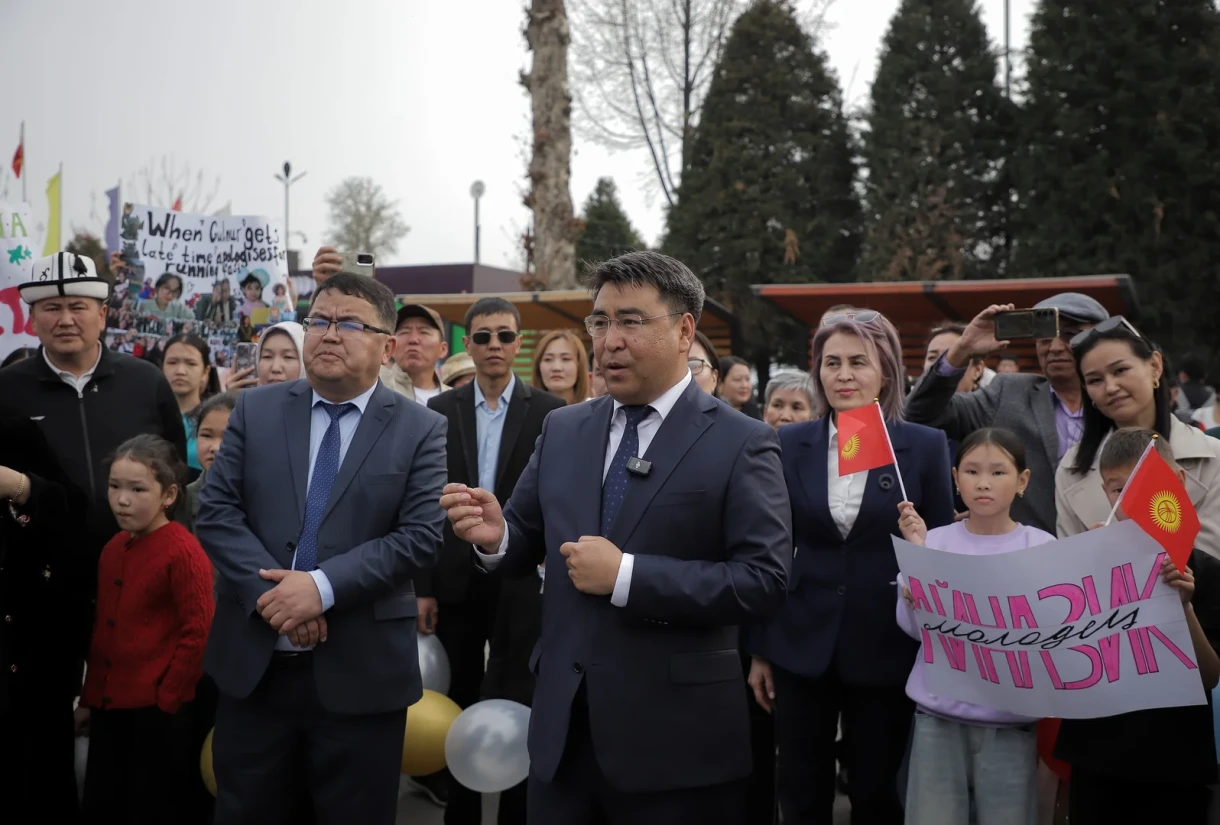
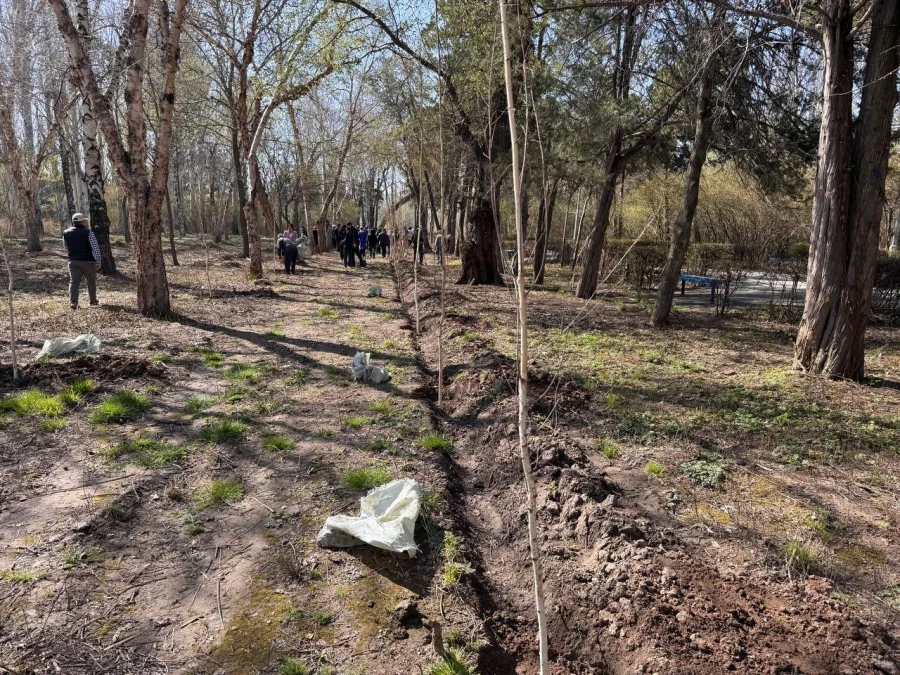
As part of the planned activities, on April 1, 2026, 21 hectares of nut-bearing plantations will be established on municipal lands in the Kyz-Kol rural district (village of Kashka-Terek). This will be a significant contribution to the economic development of the region and sustainable land resource management.
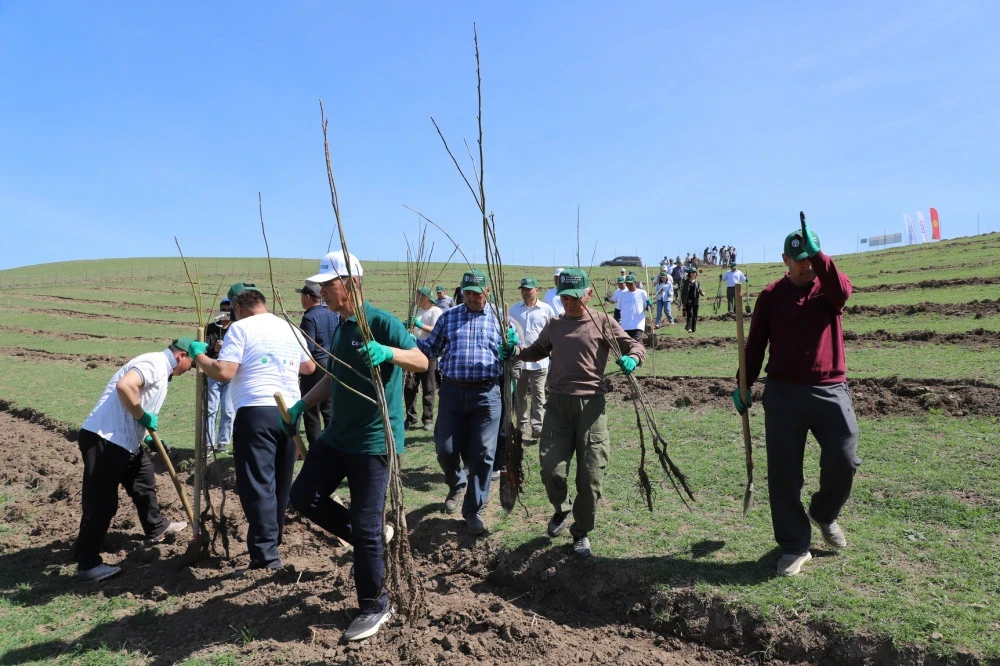
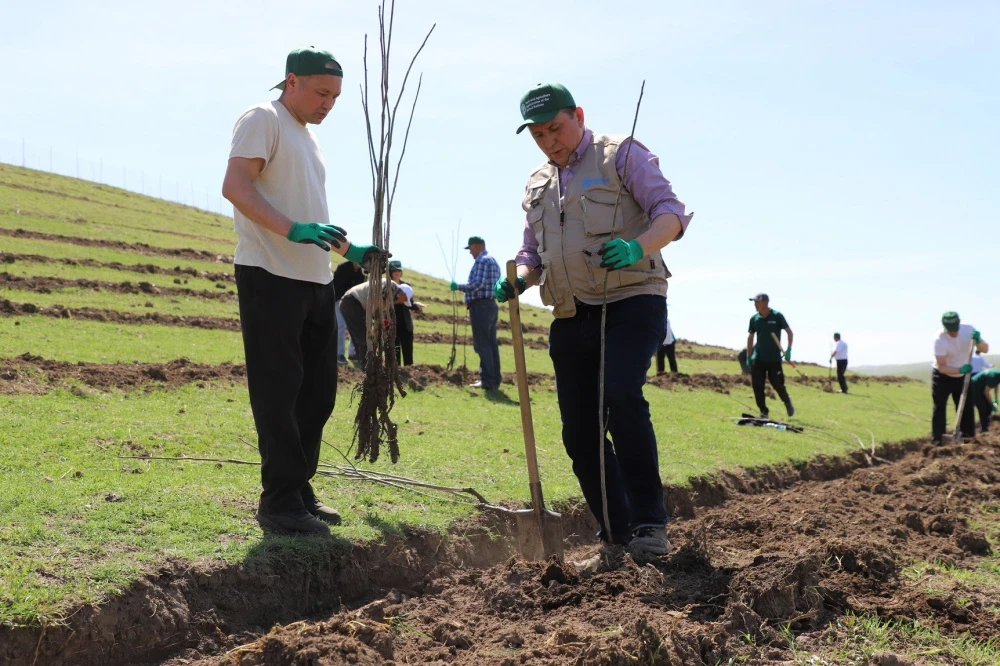
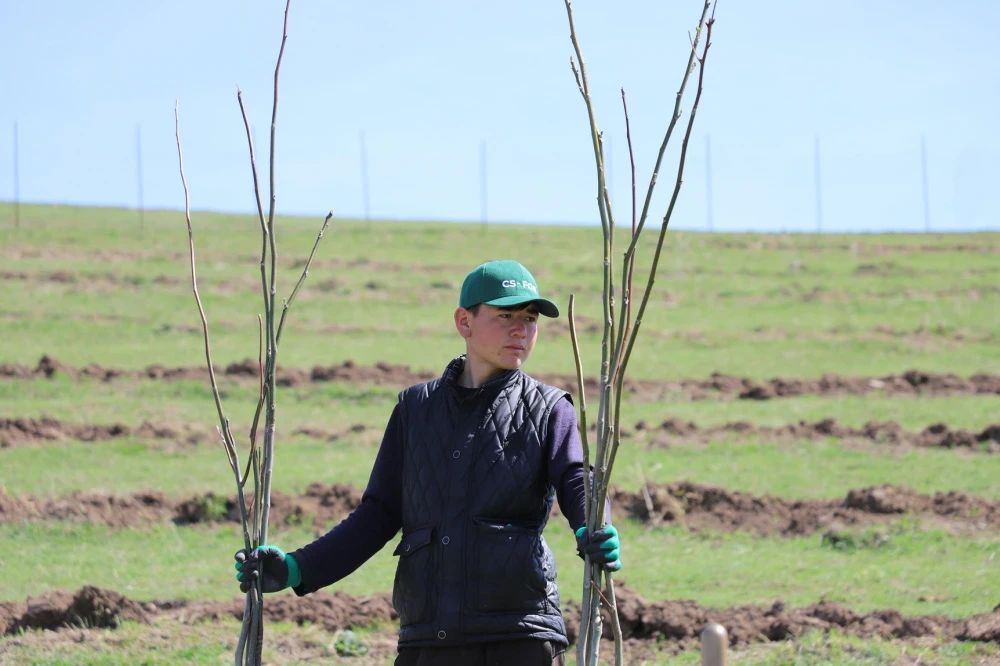
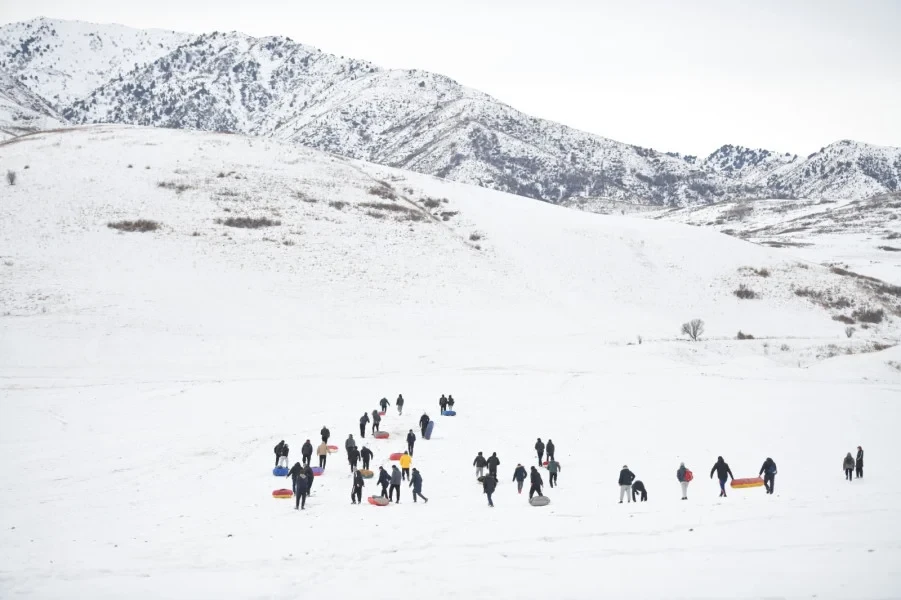
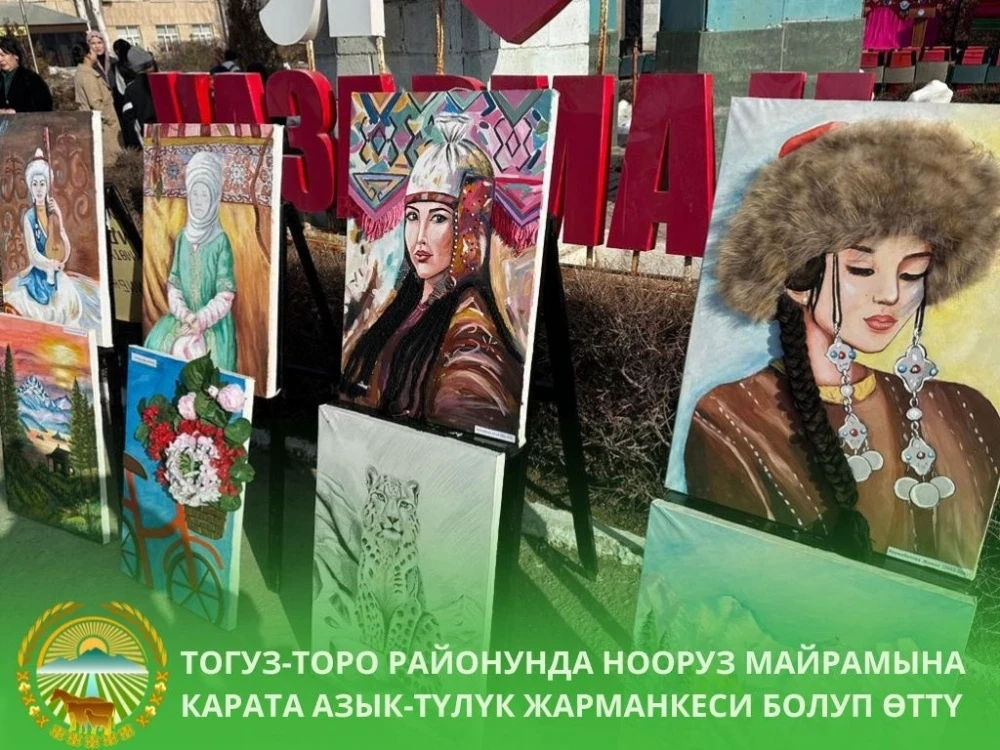
Additionally, in the Toguz-Toro district, the use of 204 hectares of low-productive lands is planned, of which 108 hectares belong to rural districts and 95 hectares to the state forest fund. Here, species such as Tian Shan spruce, juniper, six types of apple trees, as well as apricot and plum will be planted.
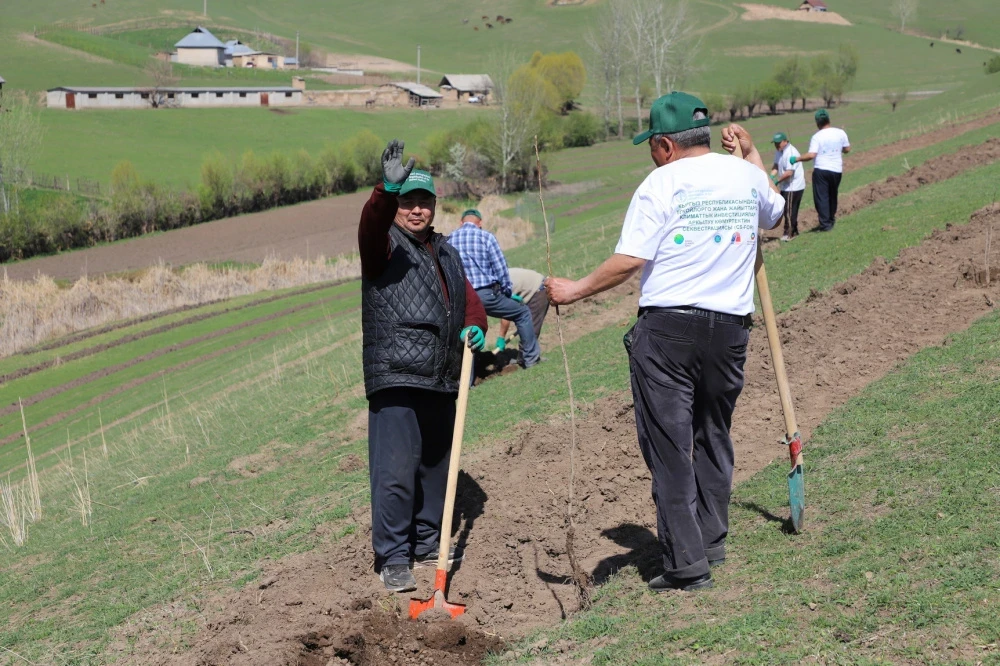
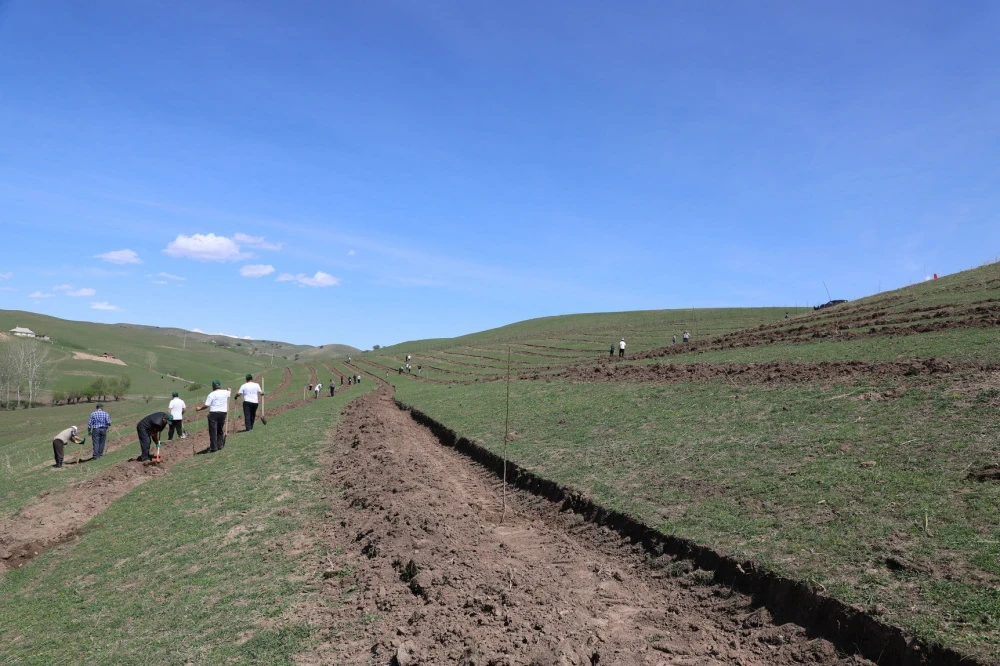
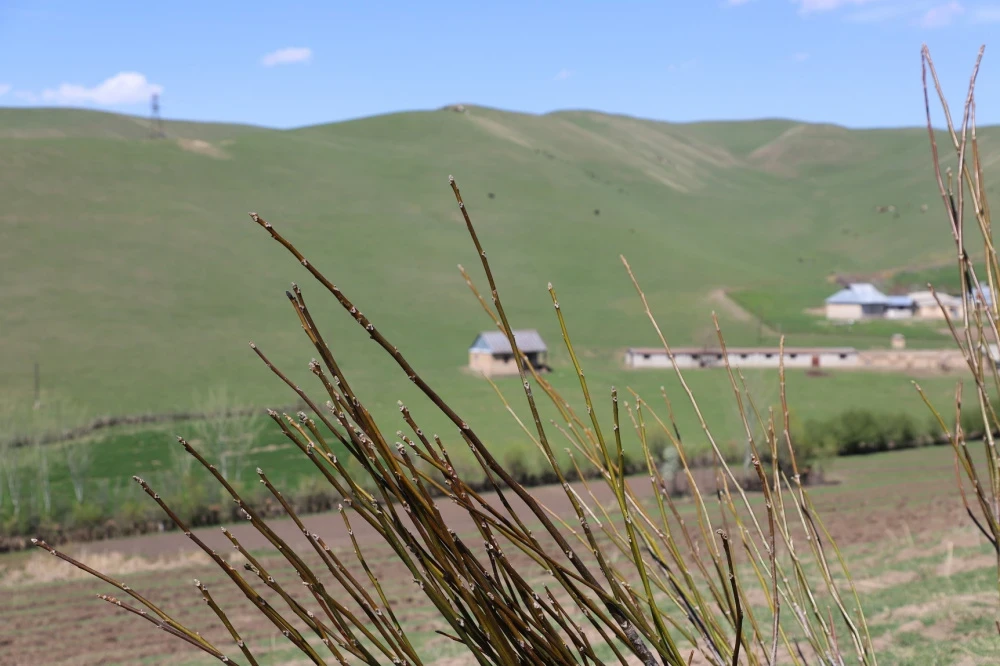
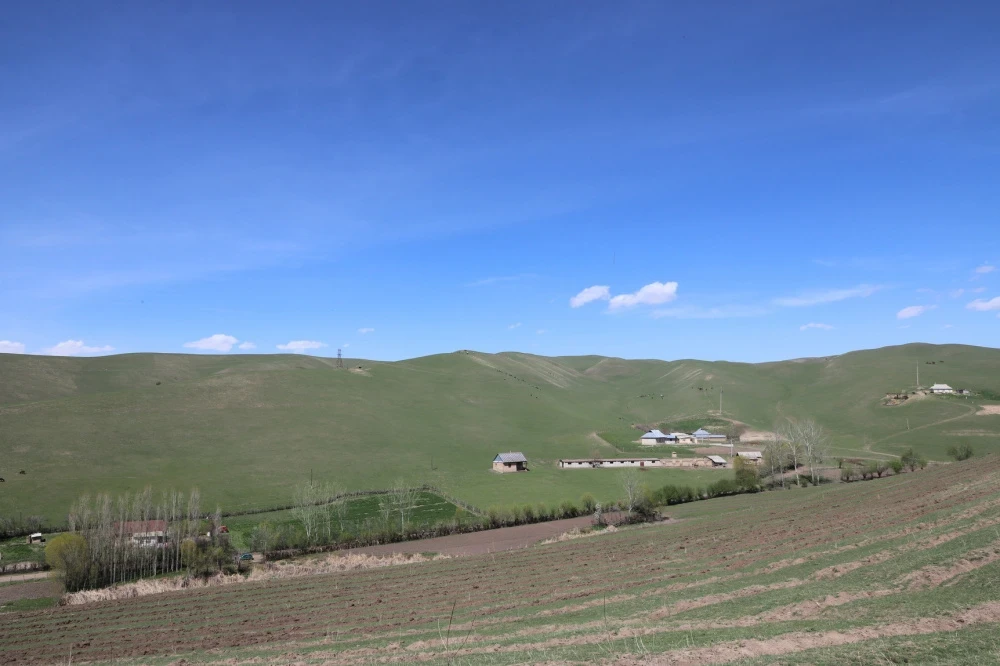
These measures aim not only to restore degraded lands but also to improve ecosystems, enhance the quality of life for local residents, and create additional sources of income.
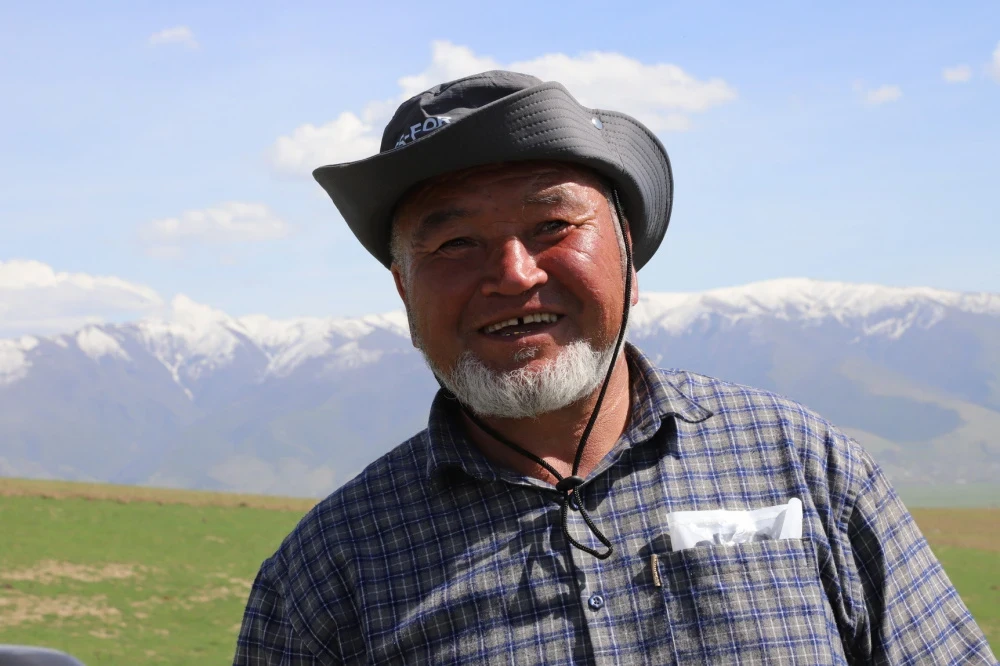
Photo by the Food and Agriculture Organization of the United Nations (FAO).
InformationThe FAO project for improving forest and pasture lands (CS-FOR), supported by the Green Climate Fund, offers seedlings, fencing, and drip irrigation systems as needed to pilot areas. The project also includes training for local communities on climate change adaptation, sustainable natural resource use, and forest and pasture management.
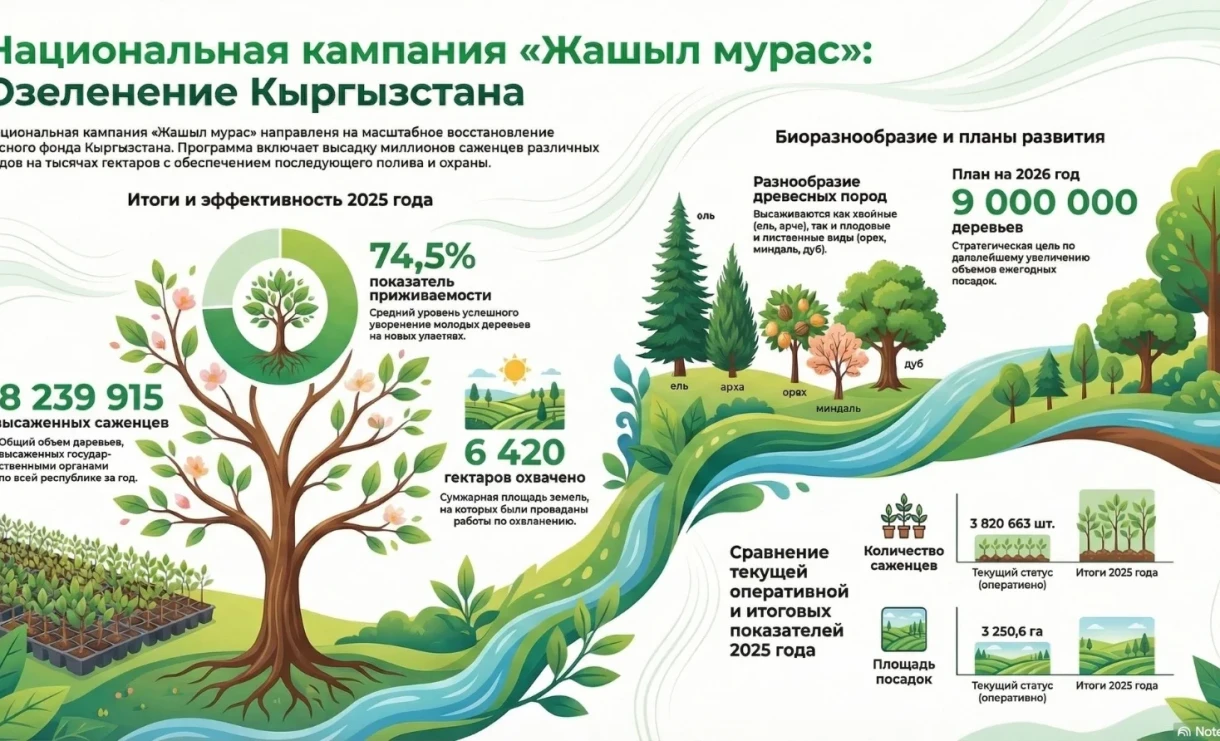
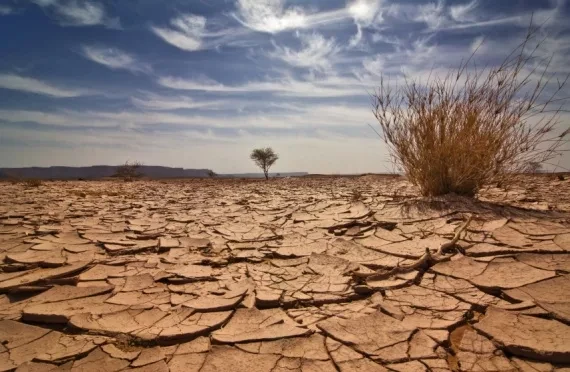
Forest restoration is crucial in the fight against climate change, as it contributes to increased carbon absorption, reduced greenhouse gas emissions, and biodiversity conservation. Climate changes, such as rising temperatures and decreased precipitation, create risks such as mudslides, floods, and droughts, especially in the Suzak, Toguz-Toro, Ak-Talaa, and Uzgen areas, which are located in climatically vulnerable zones. Therefore, these regions have been identified as priorities for the implementation of the CS-FOR project with the support of the Green Climate Fund.