Key areas of British investment in Mongolia include education, the metro project in Ulaanbaatar, and cooperation in the field of mineral resources.
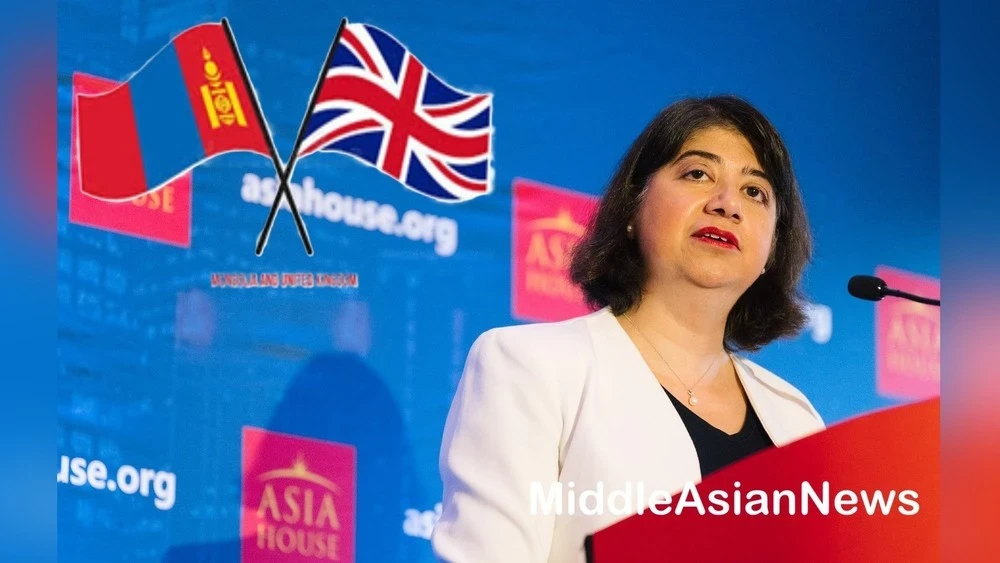
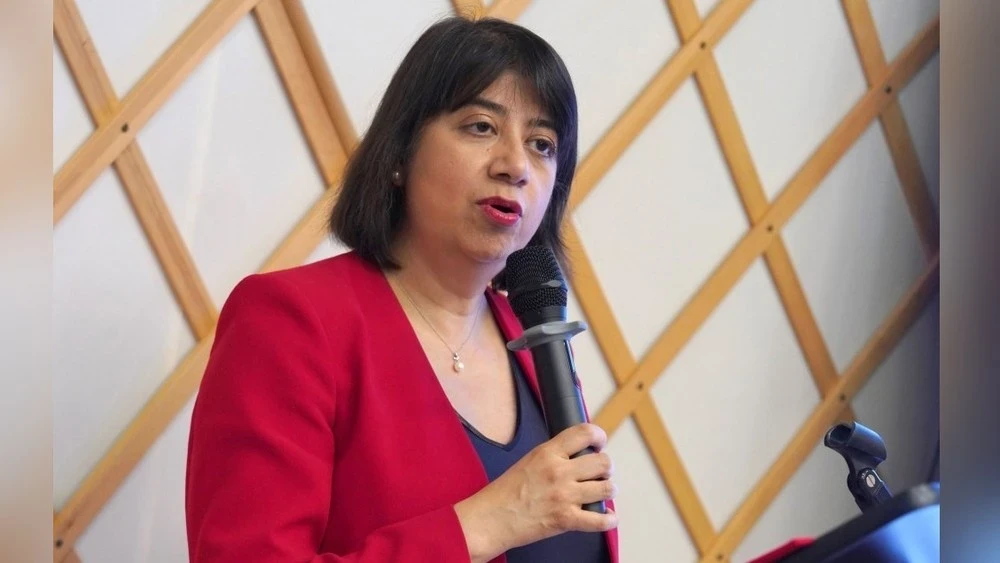
MiddleAsianNews presents an interview with Sima Malhotra, Minister of the United Kingdom, for IA GOGO.
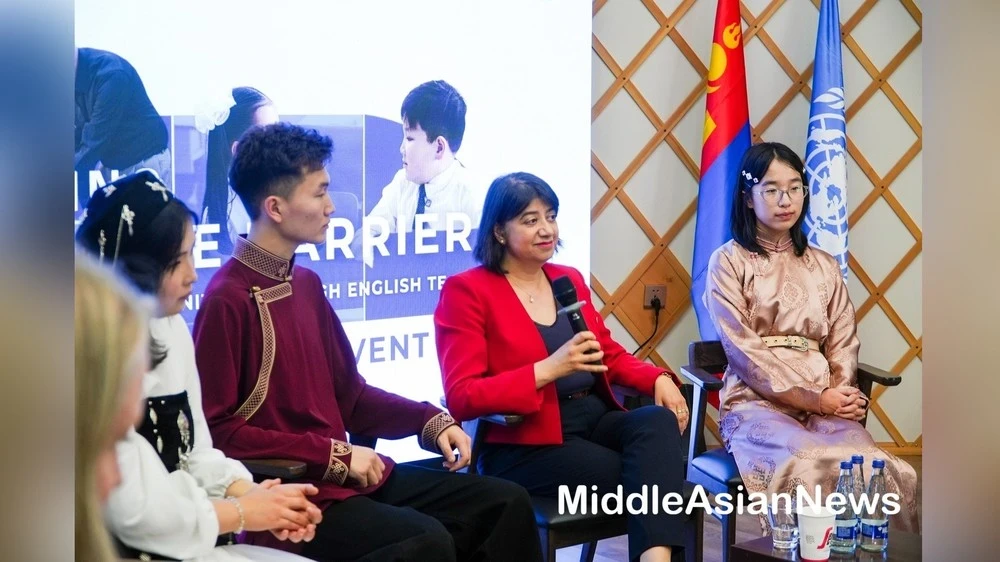
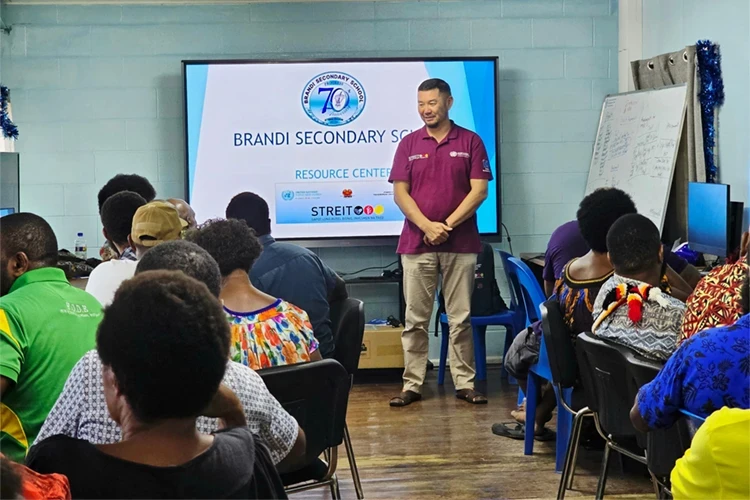
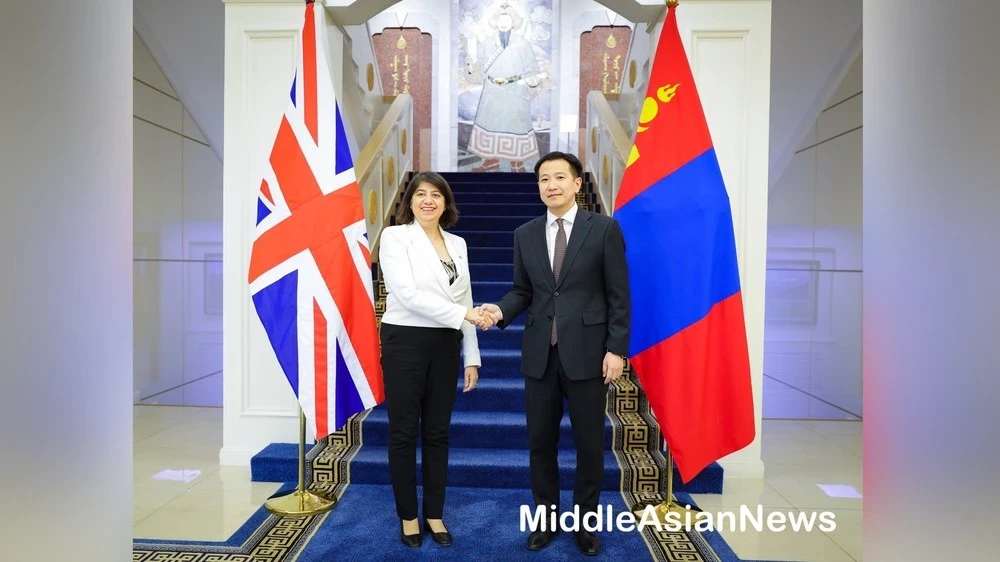
Sima Malhotra, Parliamentary Under-Secretary of State for the Indo-Pacific at the UK Foreign Office, visited Mongolia from March 23 to 25. On the last day of her visit, she met during an event dedicated to training students in English as part of a teacher training program.
— This is your first visit to Mongolia. What impressions do you have, and what moments stood out to you the most?
— Yes, this is my first visit to the country, and these days have been truly unique. I came as the Minister for the Indo-Pacific and want to express my sincere gratitude for the warm welcome.
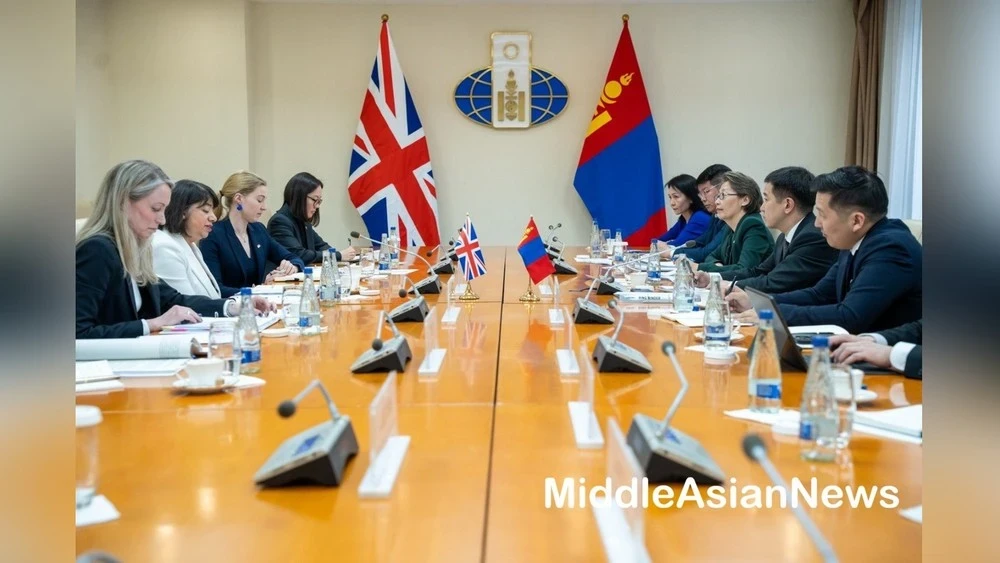
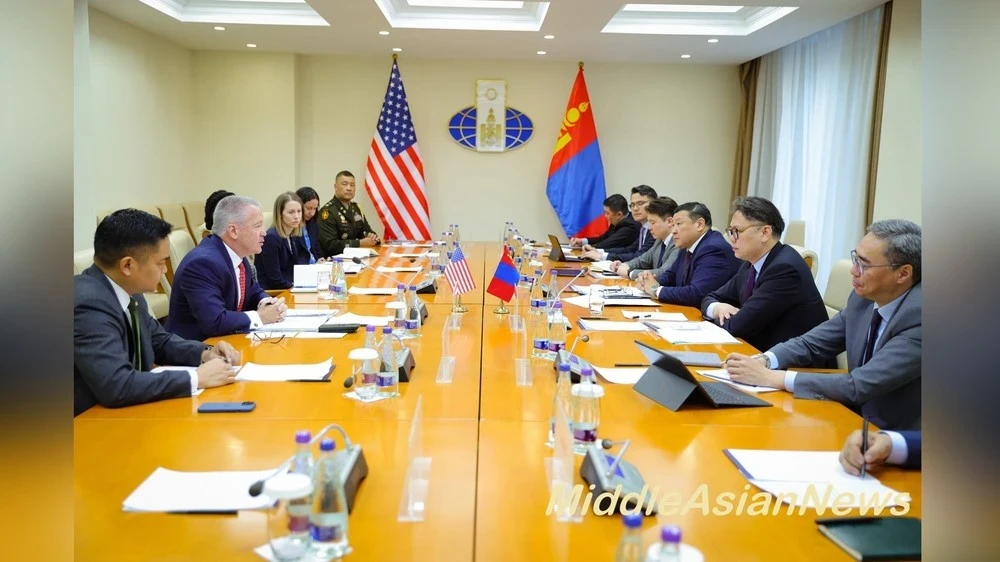
I also had the opportunity to co-chair our annual political dialogue with the Deputy Foreign Minister of Mongolia, Amartuvshin Gombosuren, and meet with the Prime Minister. We discussed the future of our relations, which are long-term and based on more than 60 years of partnership since the UK was the first Western country to recognize Mongolia and establish diplomatic relations with it.
This underscores our shared democratic values and the importance of investing in people-to-people connections. Cooperation among governments, parliamentarians, the media, and civil society is critically important for building a safe and prosperous future.
I am very grateful to everyone I had the chance to speak with. It was an intensive and important visit during which we discussed modern challenges and how we can support each other in creating the necessary peace and prosperity. Thank you.
— At the 16th roundtable meeting between Mongolia and the UK, the parties agreed to further strengthen cooperation, including the metro project in Ulaanbaatar. Can you tell us more about this?
— I was pleased to co-chair the annual political dialogue and witness the progress we have made. For example, the metro project in Ulaanbaatar is a forward-looking initiative that will significantly change the face of the city and become a flagship for Mongolia.
It is encouraging to see how the expertise of British specialists contributes to the development and support of Mongolia's development plans. Thanks to UK Export Finance, you have the opportunity to receive significant support for this initiative in the future. Long-term projects that reduce congestion, decrease pollution, and develop public transport bring substantial economic benefits and can change the situation for the better. We have seen similar results in our country and continue to support them.
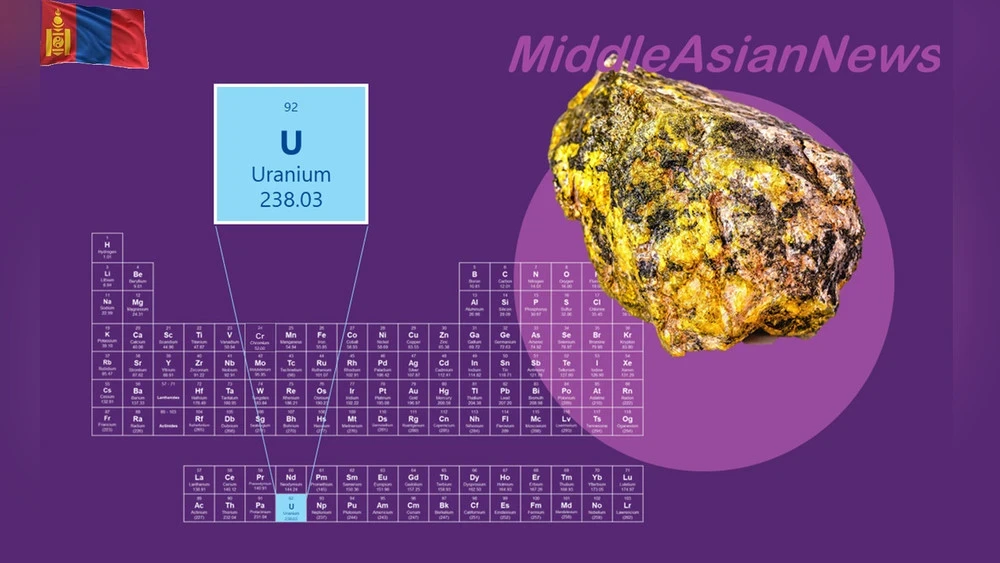
I also highly appreciated our discussions on expanding cooperation in critical minerals. Mongolia has significant potential in this area. During my visit, I visited Oyu Tolgoi and learned about existing partnerships, emphasizing sustainable development and responsible resource management, which is an important standard for the future.
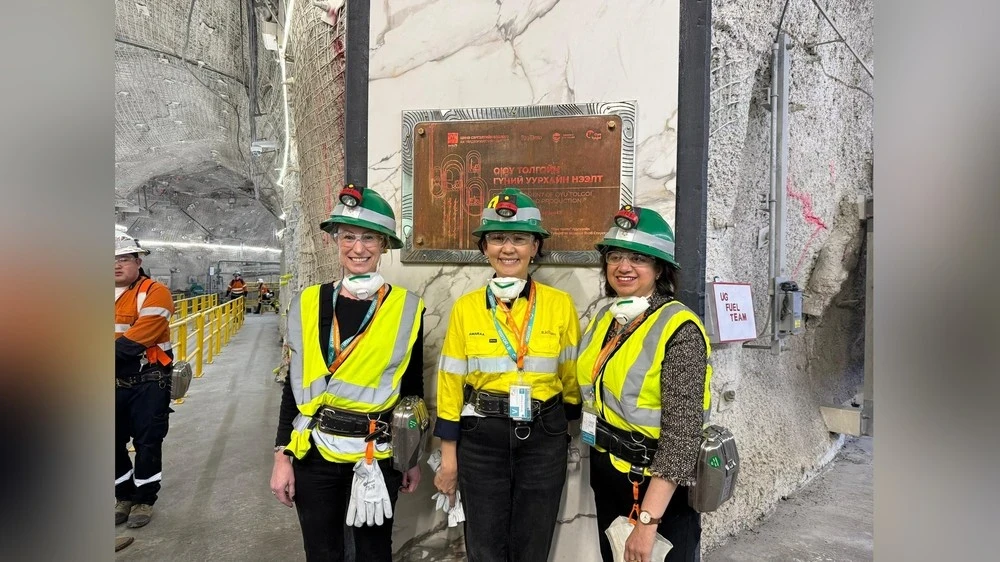
Given the global conflicts and challenges to the rules-based international order that both the UK and Mongolia uphold, the importance of economic security and diversified supply chains is becoming increasingly evident. There is significant potential for deepening cooperation between the UK, which has extensive experience in the mining sector, and Mongolia, especially within the framework of the UK's strategy on critical minerals and strengthening supply chain resilience.
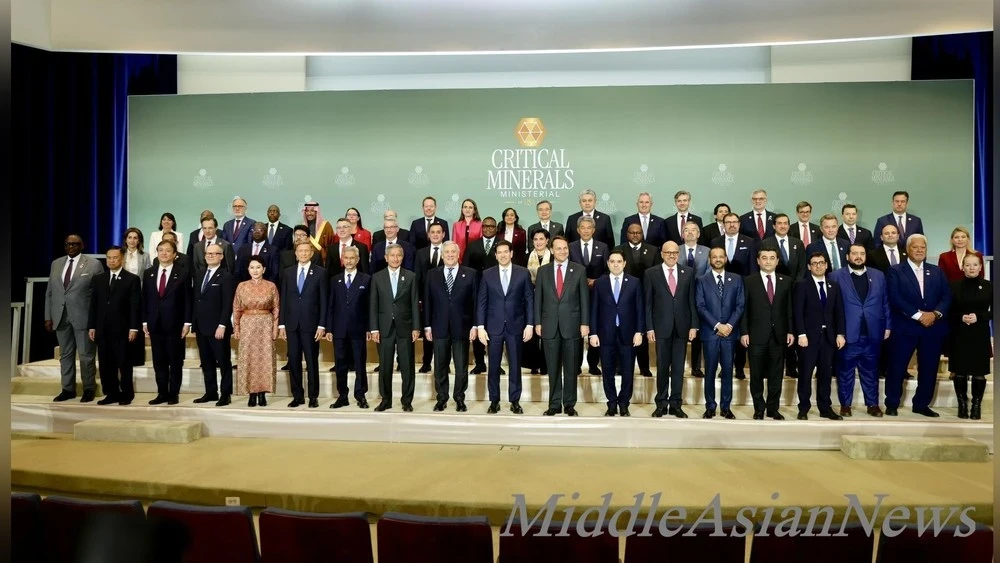
Personally, I have witnessed this potential during the Critical Minerals Conference in Washington, where I also met with the Foreign Minister of Mongolia, as well as in recent meetings between our ministers.
I look forward to continuing our cooperation in new technologies and renewable energy as we strive for a greener future. There are broad opportunities for applying British expertise and university research, as well as for further collaboration in education, including programs with UNICEF and the Ministry of Education.
Investing in education is of particular importance. Today's leaders shape current discussions, but it is through education, especially learning English, that we create the next generation. I was pleased to meet with Chevening scholarship recipients during my visit — over 200 individuals since 1993 and another 20 this year.
Through these efforts, we are shaping future leaders who contribute to the development of our economy and strengthen interpersonal connections. I take pride in this.
— What changes in policy or legislation do you think are needed to attract more British investment to Mongolia?
— There is significant potential for expanding cooperation with British companies in Mongolia, as well as opportunities for mutual learning and partnership.
It is important to maintain a business environment that inspires confidence in investors — an environment where disputes can be resolved efficiently, contracts and terms are clear and transparent, and decision-making processes are timely.
In the context of fierce global competition, it is crucial to instill confidence in investors. Whether it is renewable energy, critical minerals mining, infrastructure projects like the Ulaanbaatar metro, or sectors such as technology and education, businesses need guarantees of stability and transparency.
This includes a high level of professionalism, a reliable legal and regulatory framework, and conditions that foster long-term partnerships. These factors are vital for the growth and prosperity of investments.
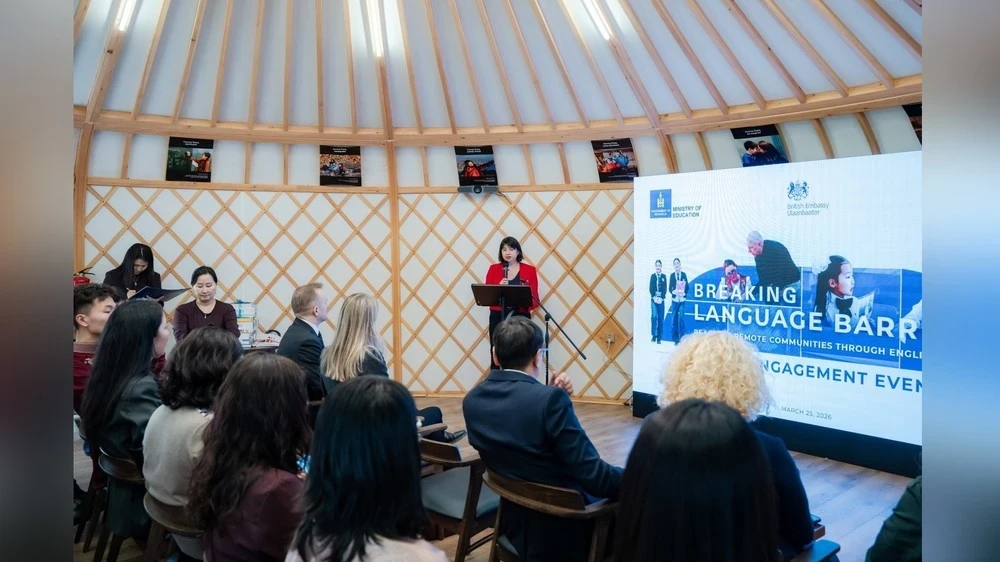
— The agreement on the second phase of the "Overcoming Language Barriers" project was signed in December 2025. Can you tell us about its implementation? Is a third phase planned?
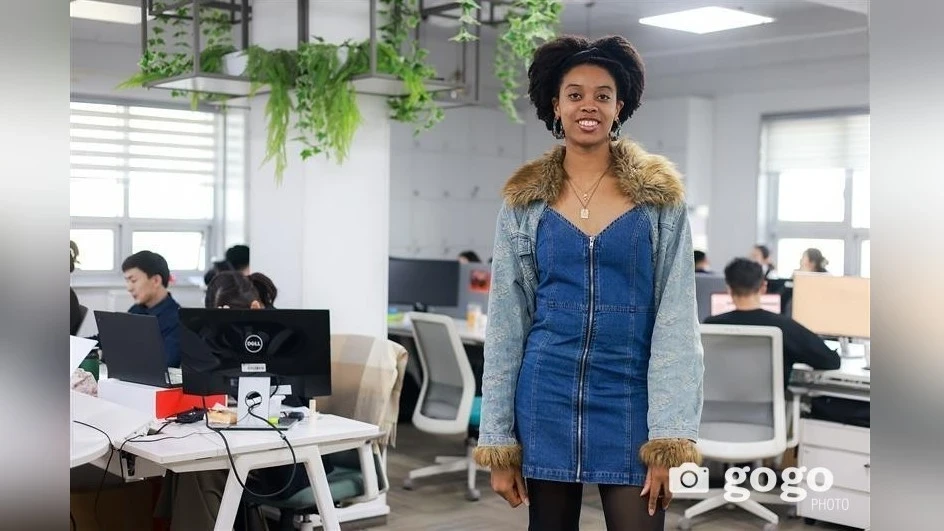
— It is important to continue developing the successes achieved. I am proud of what has been accomplished in English language teaching through our cooperation. Over 147,000 children across Mongolia have gained access to quality education in English.
This impact is felt not only in cities but also in rural areas. Young people I spoke with noted that knowing the language has opened up new opportunities for them, broadening their horizons.
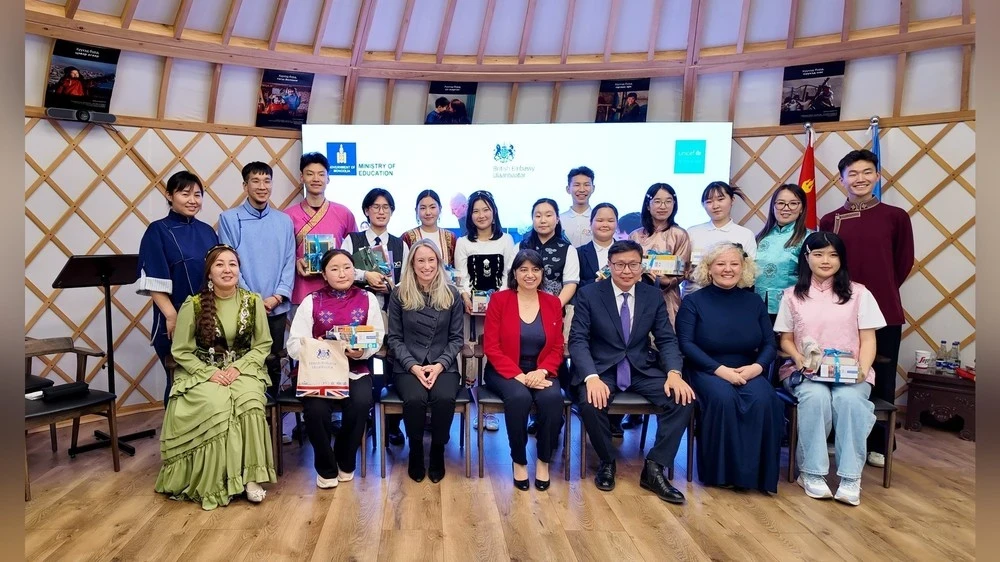
I also want to express my gratitude to everyone who supports the development of language education, especially teachers. About 750 teachers have undergone training, and many of them noted that this not only improved their own skills but also enhanced their ability to teach others. This contributes to developing long-term potential and leadership qualities in Mongolia's education system and brings satisfaction from supporting youth.
— You spoke about the importance of civil society. How do you assess its current state and future development?
— I am proud of what we are doing to support civil society, which reflects the shared democratic values of the UK and Mongolia. For strong democracies to be maintained in our countries, it is crucial that civil spaces remain active and develop.
During my visit, I supported the "Youth for Change" program and saw how it works. We collaborate with over 25 youth organizations, helping young people develop confidence, leadership skills, and the ability to initiate change in Mongolia.
Investing in civil space means creating opportunities for dialogue between civil society and political leadership at both local and national levels. This empowerment supports a new generation of leaders and facilitates decision-making based on real experiences.
I am grateful for the strong partnership we are developing, including cooperation with Mongolian government institutions. We are investing in the next generation of leaders and strengthening partnerships for the future.
Thank you for your time.