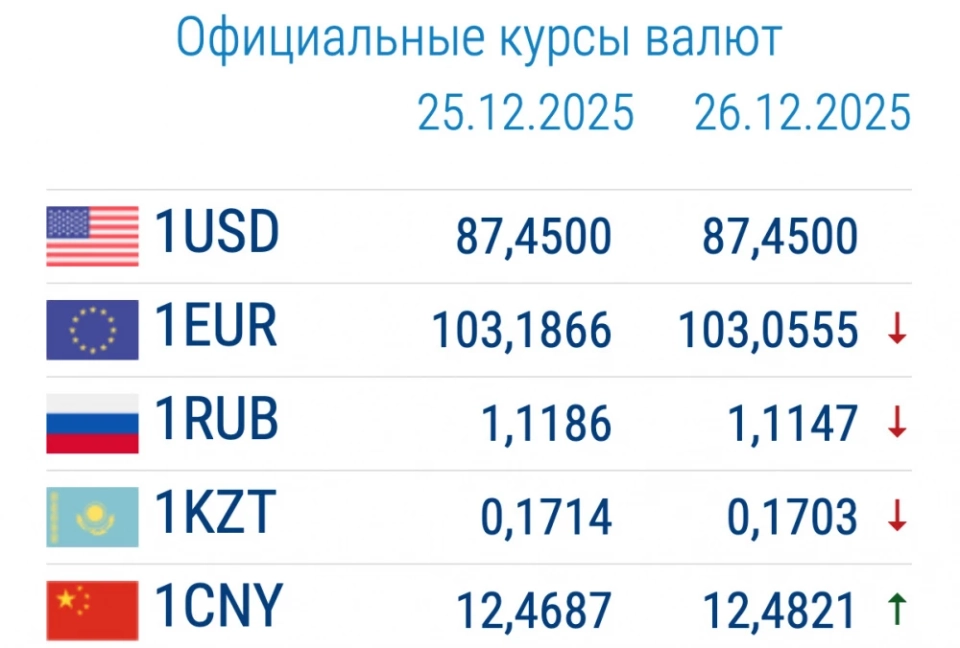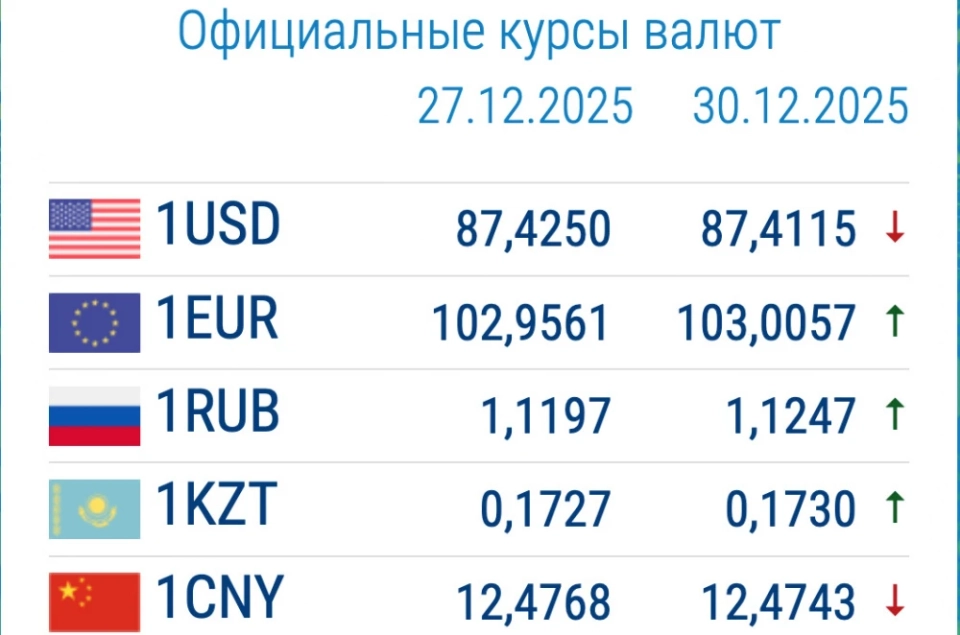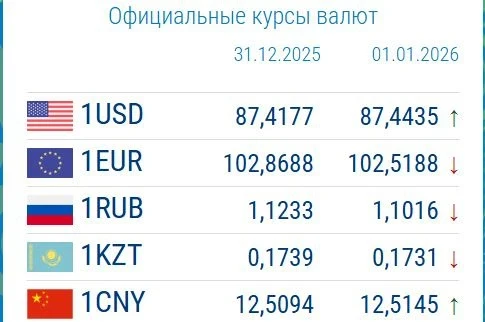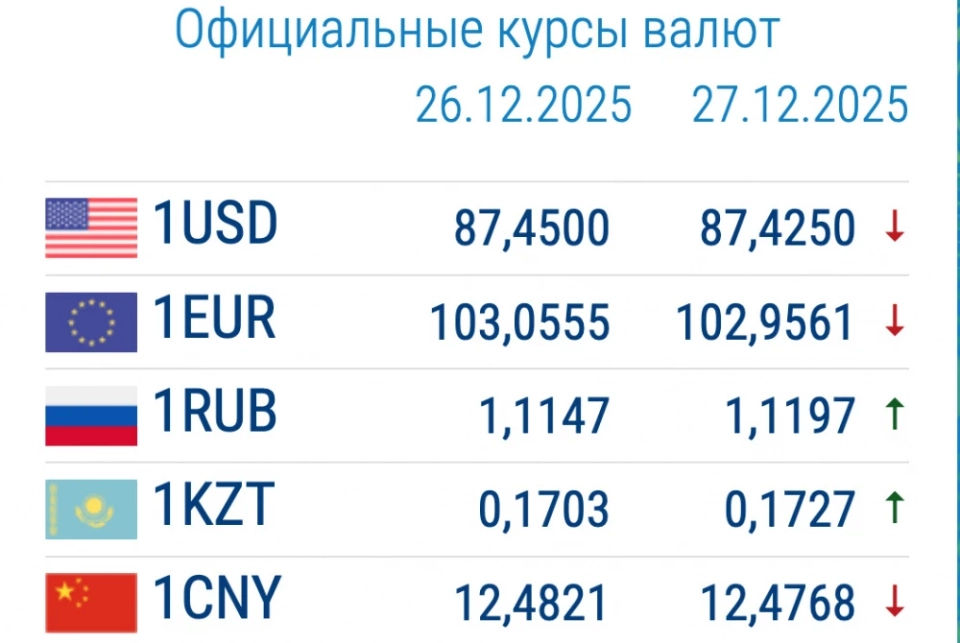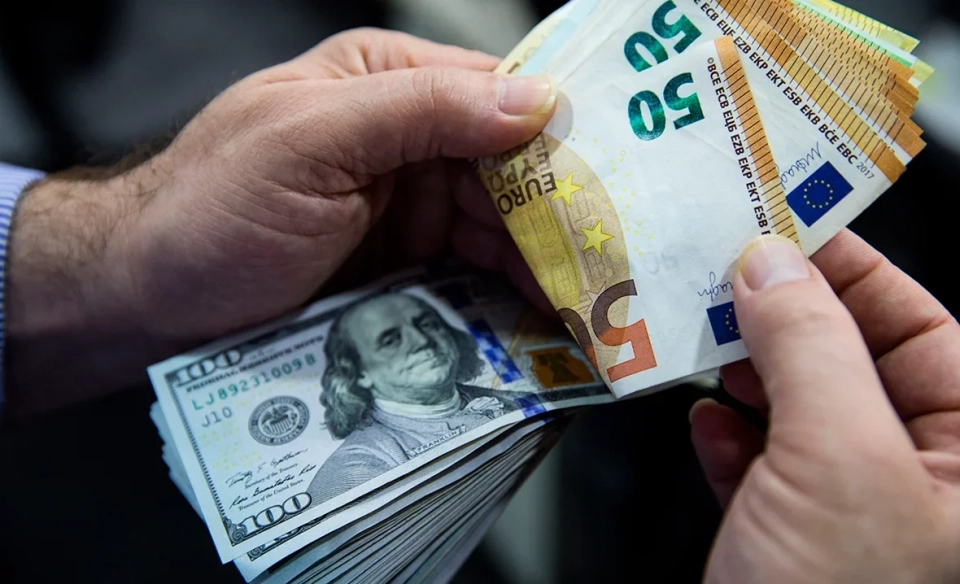
The decline of the dollar has turned out to be one of the most significant events in finance in 2025, as reported by NZZ. The American currency has lost value against all 15 major currencies in the world, which is linked to serious economic upheavals originating from the United States.
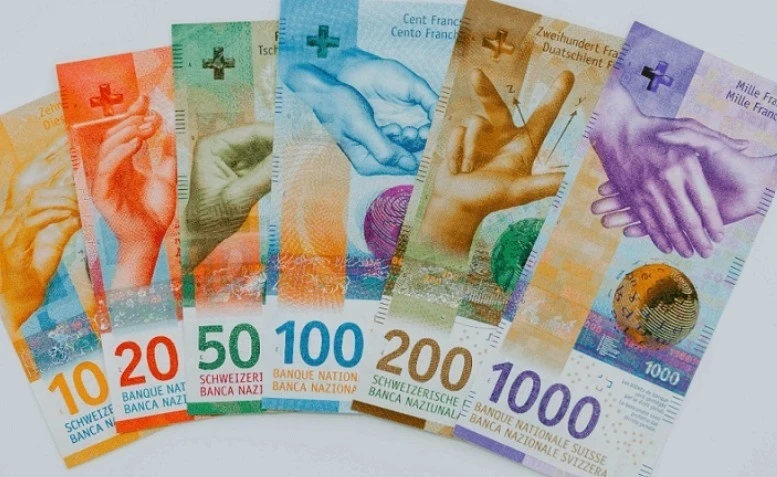
This year, the dollar ceased to be a "safe-haven currency" in times of instability, and this role has once again been taken on by the Swiss franc. The reason for this was changes in the trade policy of the United States that occurred on April 2, when President Donald Trump announced a new tariff regime for several countries and regions.
Although the initially announced tariffs were reduced, the average tariff rate still increased from 2.3% to 14%, the highest level since 1939.
The dollar has significantly weakened
These changes caused sharp fluctuations in the markets and led to the dollar's decline. The US currency, known as the "greenback" due to its color, depreciated against all 15 largest currencies. The most significant drop was observed against the Swedish krona (–20%), the Mexican peso (–16%), and the Swiss franc (–14%). The Japanese yen remained almost unchanged.
The April policy changes defined the entire year, so the "greenback" was unable to recover significantly. Thomas Stucki, Chief Investment Officer of the St. Gallen Cantonal Bank, considers the dollar's decline to be one of the key events in finance in 2025. In trade-weighted terms, the currency lost about 7% of its value.
According to Carsten Junius, 2025 was not particularly memorable for the franc. At the same time, he noted that in the second quarter, the Swiss National Bank (SNB) intervened in dollar trading in the foreign exchange market, albeit on a limited scale, as added by the chief economist of J. Safra Sarasin bank.
The euro, in turn, depreciated against the franc by 1%, which, according to Junius, is related to the fact that the interest rate differential between the Swiss zone and the eurozone reached 2.6 percentage points, a record level since the reunification of Germany.
The British pound, Chinese renminbi, and Japanese yen also showed significant declines — by 5%, 9%, and 12% respectively. Only a few currencies, including the Swedish krona, demonstrated relatively stable positions against the franc.
Key interest rates were not a determining factor but will remain an important indicator
In the past year, the monetary policy of different economic zones had a secondary impact on exchange rates. Instead, other topics came to the forefront. Nevertheless, the Swiss National Bank (SNB), the Federal Reserve System of the USA (Fed), and the European Central Bank (ECB) continued the cycle of rate reductions.
The SNB lowered the key rate in two steps of 0.25 percentage points to 0%. The ECB also reduced the rate four times by the same amount — to 2%. In turn, the Fed conducted three reductions of 0.25 percentage points, establishing a target range of 3.5–3.75%.
Market participants' expectations for 2026 suggest that the SNB will not make any changes to the rate. The regulator points to a "high threshold" for returning to negative rates, and some experts predict the first rate hike in early 2027.
The situation in the eurozone is similar. Judging by the derivatives markets, participants do not expect rate cuts next year. ECB board member Isabel Schnabel recently hinted that the regulator's next step could be a rate hike.
At the same time, many in the USA expect further rate cuts. The market anticipates two reductions of 0.25 percentage points — in April and July. The situation is exacerbated by the change in leadership at the Fed: the term of Chairman Jerome Powell expires in May, and President Trump has sharply criticized his policy as too tight. A significant rate cut could again put pressure on the dollar in international trade.
The choice of a new Fed chair
According to Stucki, the future of the "greenback" will largely depend on how well Trump can strengthen control over the Fed's interest policy. An important aspect of this situation is the appointment of Powell's successor. Markets are discussing a scenario in which the new Fed chair could lower the rate at the first meeting in June, signaling a "new era."
Equally interesting is whether Powell's successor, chosen by Trump, will be able to coordinate actions with the other Fed members or whether resistance to the idea of a "weak dollar" will be stronger. Nevertheless, economists do not expect an outright rebellion. As Junius notes, several dissenting votes on the recent rate decisions indicate that opinions within the Fed are becoming more fragmented. Junius's forecast for 2026 suggests a slight strengthening of the franc against the euro and the dollar.
Source: InoSMI