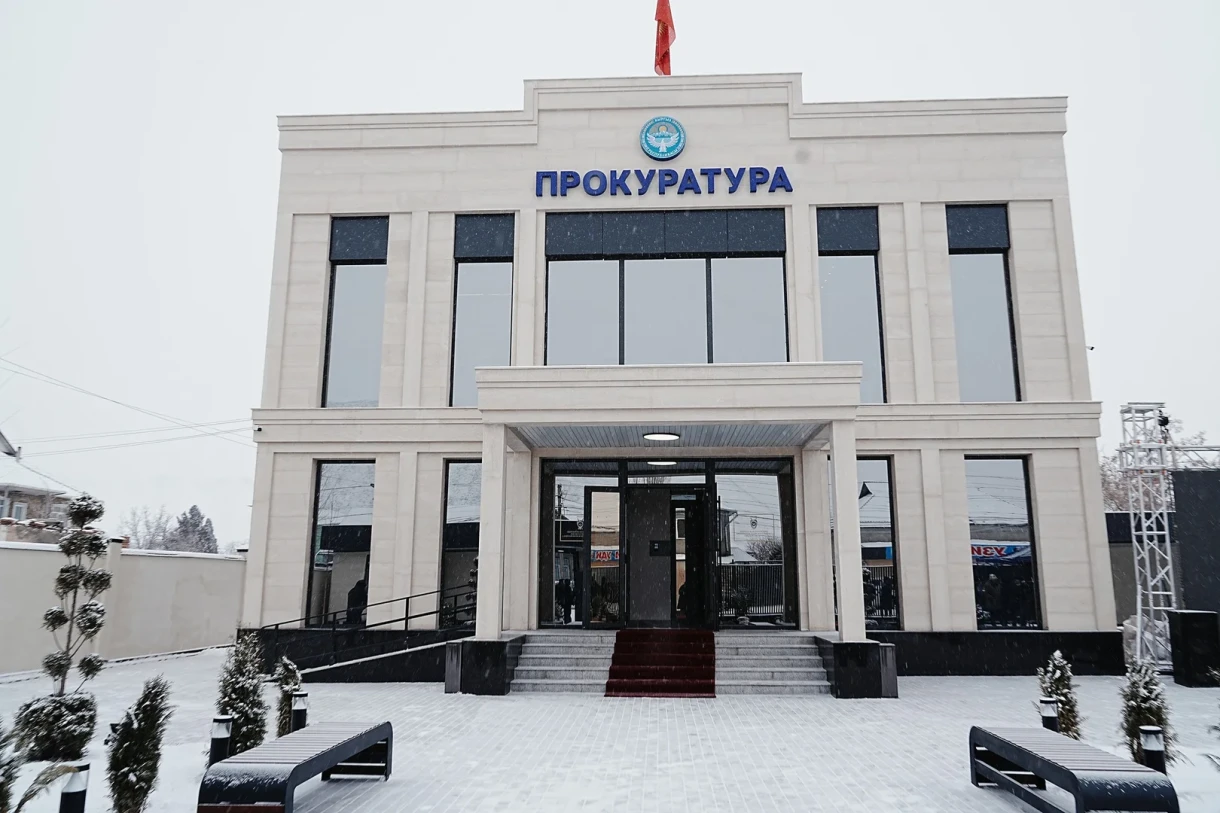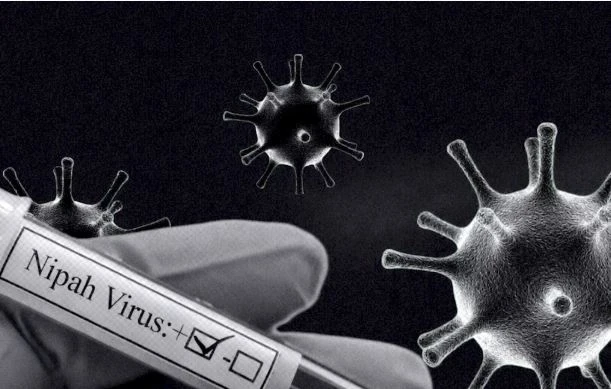
According to the Ministry of Health, no cases of Nipah virus have been registered in the country.
The epidemiological situation is under close monitoring by the sanitary-epidemiological control authorities.
To prevent the possible importation of the infection, additional sanitary-quarantine control measures have been implemented at the state border of Kyrgyzstan.
Sanitary-quarantine point workers are monitoring the health status of arrivals, controlling vehicles, and conducting preventive actions in accordance with established regulations.
Medical institutions in the country have received instructions for the early detection and isolation of patients, as well as for organizing anti-epidemic measures.
The Ministry of Health of Kyrgyzstan maintains active cooperation with the World Health Organization and other international partners to exchange epidemiological information and coordinate preventive actions.
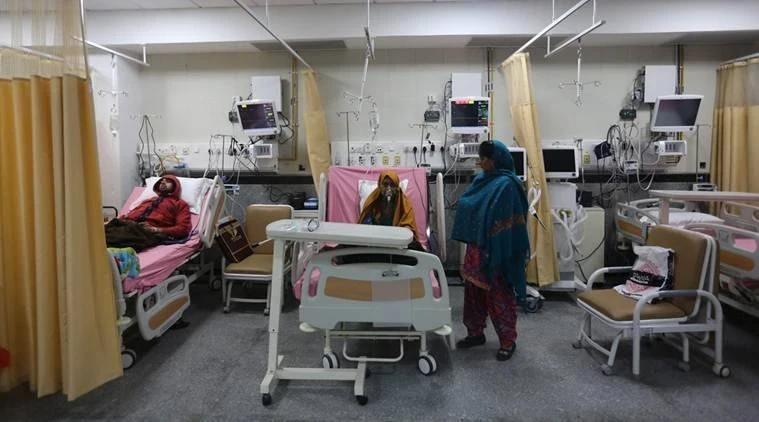
Note: On January 23, The Economic Times reported an outbreak of the Nipah virus in India, citing data from regional health authorities. According to the country's Ministry of Health, five cases of infection have been confirmed.
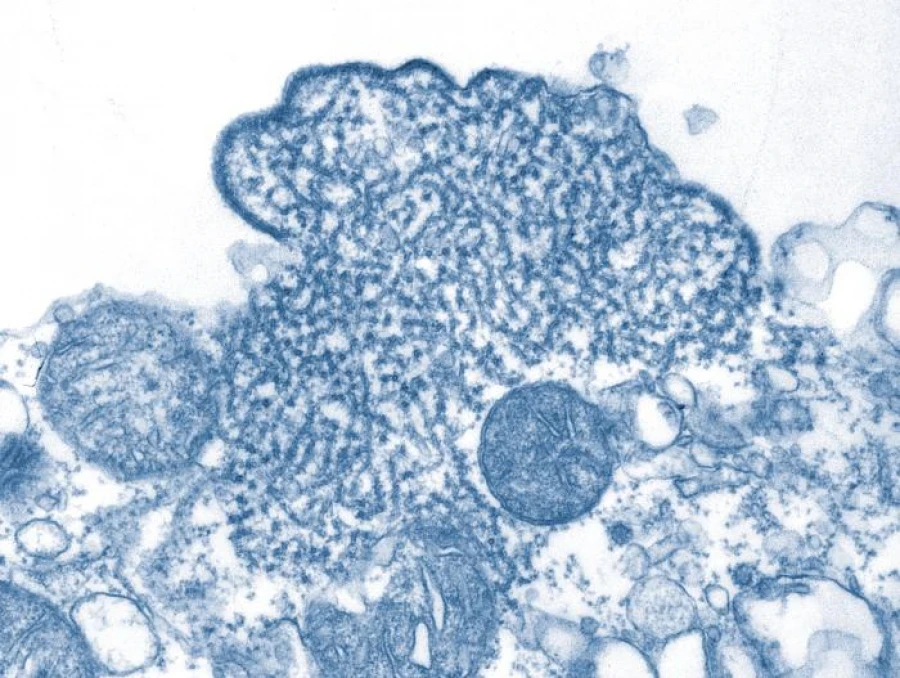
The Nipah virus is a zoonotic disease transmitted from animals to humans, primarily from pigs and, like COVID-19, from bats.
Transmission of the virus is possible through contact with infected animals, consumption of contaminated products, as well as from person to person. The virus can cause fatal encephalitis, atypical pneumonia, and coma.