There is no need to panic. The healthcare system is ready to respond quickly to potential epidemic threats.
Ministry of Health
To prevent the possible importation of the infection at the country's borders, sanitary and quarantine measures have been strengthened. Sanitary checkpoint workers monitor the health of incoming travelers, conduct sanitary control of vehicles, and implement preventive measures in accordance with established norms.
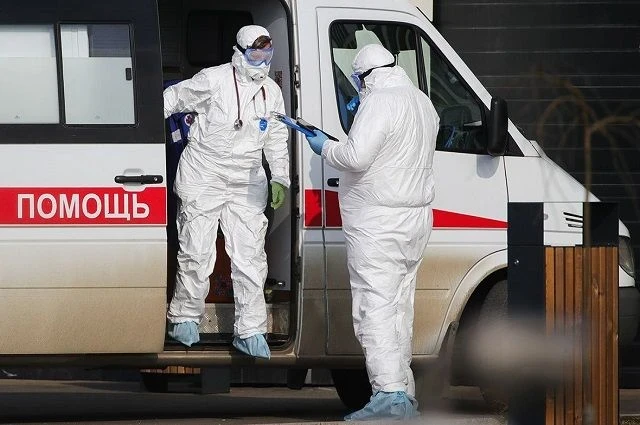
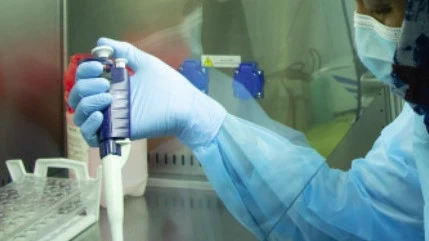
Medical institutions have also been instructed on early detection, isolation of patients, and carrying out necessary anti-epidemic actions.
The Ministry of Health is actively cooperating with the World Health Organization (WHO) and international partners to exchange information on the epidemiological situation and coordinate preventive measures.
The Nipah virus is a zoonotic infectious disease belonging to the Paramyxoviridae family, capable of causing severe respiratory problems and inflammation of the brain (encephalitis).
The main carriers of the virus are bats.
Human infection can occur in the following cases:
- when in contact with infected animals;
- through consumption of food contaminated with animal biological secretions;
- as a result of close contact with an infected person.
The incubation period of the disease varies from several days to two weeks. The main symptoms include high fever, headache, cough, difficulty breathing, weakness, and in severe cases, changes in consciousness and seizures.
Citizens are advised to:
- observe hygiene standards;
- avoid contact with wild animals;
- not consume raw or poorly processed products;
- seek medical help at the first signs of infection.
All official messages will be provided only through authorized state sources.
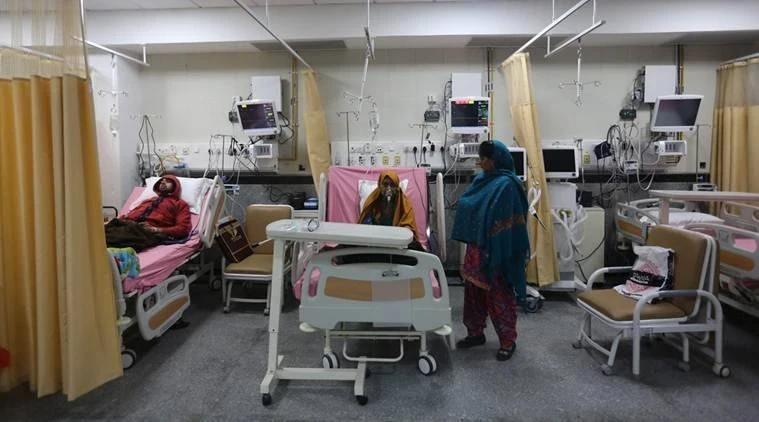
It was previously reported that an outbreak of the dangerous Nipah virus had been recorded in India.