Wenqin Zhang reported that influenza and other respiratory viruses are actively spreading this season, which is also marked by the emergence of a new variant of the AH3N2 virus. This strain was first identified in August in Australia and New Zealand and has since been detected in more than 30 countries worldwide.
Changes in the Virus
Zhang noted that "epidemiological data do not show an increase in the severity of the disease," however, the genetic shift in the virus is an important stage in its evolution. She explained that influenza viruses constantly change, and for this reason, the composition of influenza vaccines is regularly updated.
“WHO is closely monitoring these changes and assessing potential risks to public health. Twice a year, the organization formulates vaccine composition recommendations through the Global Influenza Surveillance and Response System (GISRS), collaborating with global experts,” she added.
It should be noted that the new variant is not included in the vaccines produced for the current influenza season in the Northern Hemisphere. Nevertheless, “preliminary data show that the current seasonal vaccines still provide protection against severe forms of the disease and reduce the risk of hospitalization,” Zhang clarified.
According to WHO, approximately one billion cases of seasonal influenza are reported worldwide each year, including up to five million cases of severe respiratory diseases. Respiratory complications caused by seasonal influenza lead to 650,000 deaths annually.
Advice on Reducing Risks
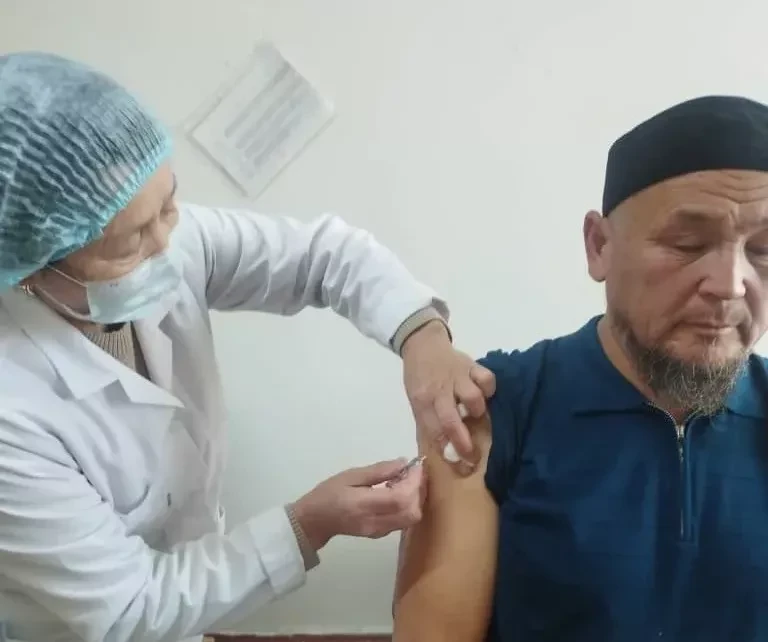
Zhang emphasized that vaccination remains the most effective way to protect, especially for high-risk groups and their caregivers. She also shared preliminary results of an evaluation of the vaccine's effectiveness against the new variant, published in the UK a few weeks ago. “These data look promising,” the expert noted, adding that the vaccine is 75% effective in preventing severe disease and hospitalization in children and 35% in adults.
The WHO expert warned of the risk of a new surge in respiratory diseases ahead of the holiday season. “It is recommended to plan ahead and enhance preparedness, including encouraging vaccination and strengthening health systems,” she concluded.
Additionally, Zhang urged countries to strengthen laboratory diagnostics and continuous disease surveillance by participating in the GISRS network.
The Need for Global Monitoring
The GISRS network includes influenza centers from 130 countries and more than ten reference laboratories.
In response to a question about whether the United States will remain in this network despite its decision to withdraw from WHO effective January 22, 2026, Zhang pointed to the importance of all countries participating in surveillance and response to influenza and other respiratory viruses. “We do not know when and where the next pandemic strain will emerge,” she added.
Zhang emphasized that the time between the emergence, detection, and characterization of the virus, as well as its inclusion in vaccines, can significantly impact the number of lives saved.