This particularly affects children and young people, among whom such diseases as obesity, diabetes, cardiovascular conditions, and certain types of cancer are increasingly diagnosed.
In two recent global reports, WHO urges governments to significantly strengthen tax policies regarding alcoholic beverages and high-sugar drinks. The organization emphasizes that due to insufficient tax control, harmful products continue to remain affordable.
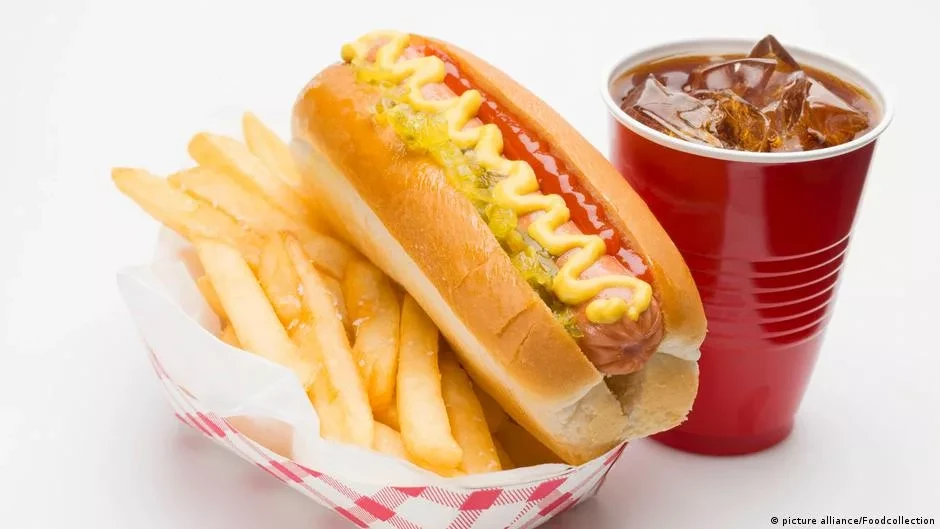
“Although the global market for sugary drinks and alcoholic products generates huge profits, states receive only a small portion of this revenue. Taxes on sugary drinks exist in at least 116 countries; however, many high-sugar products, such as fruit juices, milkshakes, and ready-to-drink coffee or tea beverages, remain untaxed. Energy drinks are taxed in 97 percent of countries, and this figure has not changed since 2023,” reports the UN News Service, citing WHO.
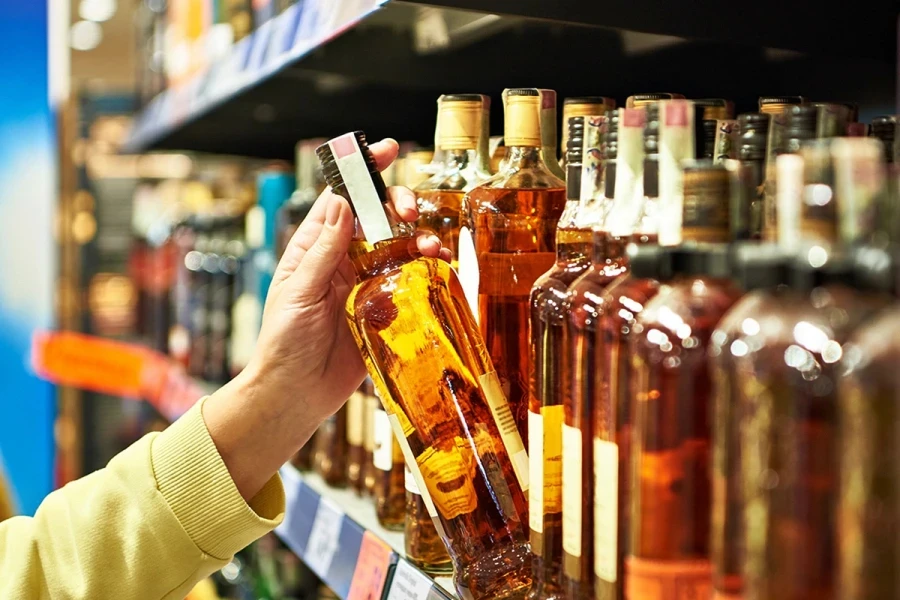
The report also indicates that alcohol taxes exist in 167 countries, while in 12 states, the sale of alcoholic beverages is completely prohibited.
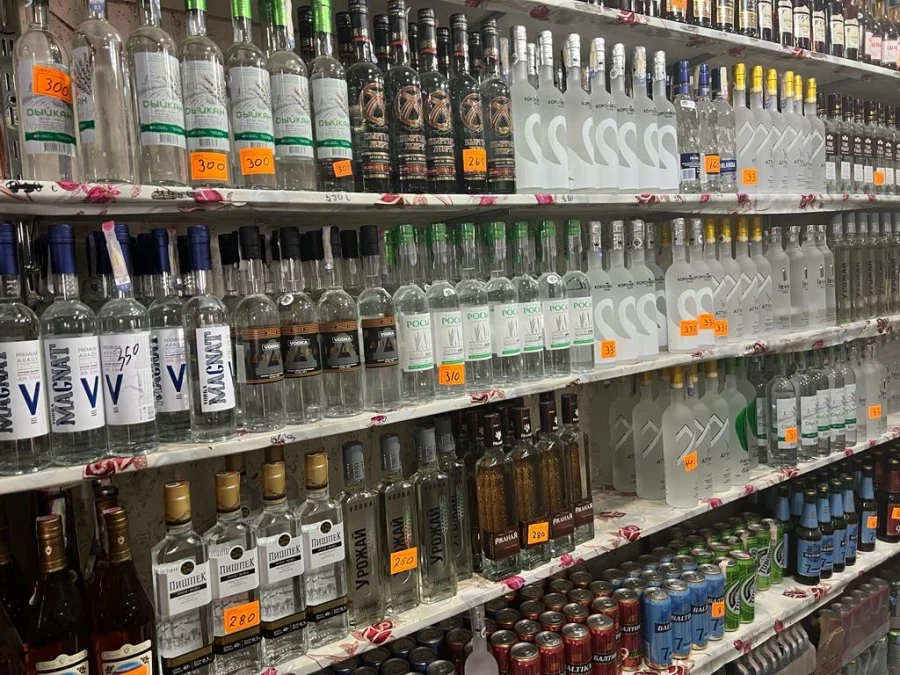
However, since 2022, alcohol has become more accessible or has maintained previous prices in most countries, as tax rates have not kept pace with inflation and income growth. Wine is not subject to additional tax in at least 25 countries.
Etienne Krug, Director of the WHO Department of Health Metrics, emphasized that affordable alcohol contributes to increased violence, injuries, and diseases. WHO reports that excise tax rates on alcoholic beverages globally remain low: an average of 14 percent for beer and 22.5 percent for spirits. Taxes on sugary drinks are also minimal: on average, they account for only about two percent of the price of regular sugary soda and are often applied only to a limited range of products. Furthermore, only a few countries adjust tax rates for inflation, making harmful products increasingly accessible. WHO calls on states to review their tax policies in this area.
It is worth noting that in Kyrgyzstan, an increase in excise tax rates on alcohol is expected starting in 2026.