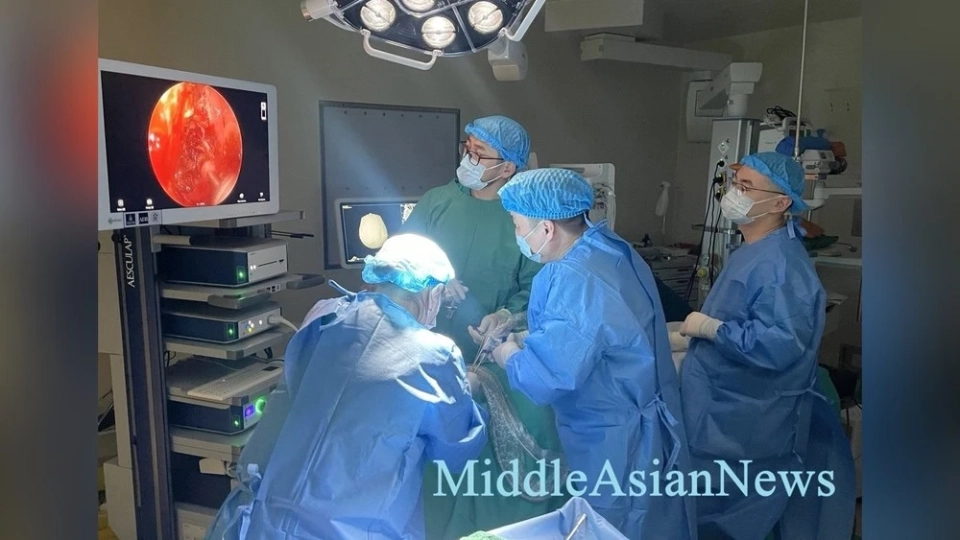
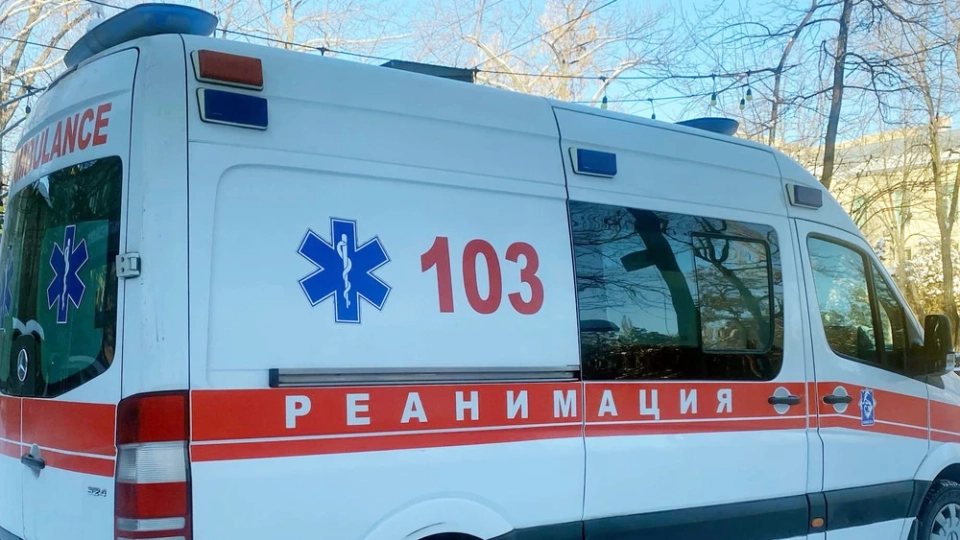
With the arrival of December, medical professionals in Kyrgyzstan prepare for an increase in the number of patient visits. Emergency rooms begin to operate at an increased capacity, cardiologists see patients without breaks, and toxicologists record a rise in acute cases on December 31 and January 1.
What causes this influx of patients? And, of course, how can one ensure that the New Year is celebrated not in a hospital, but in a home environment with loved ones? 24.kg has prepared recommendations.
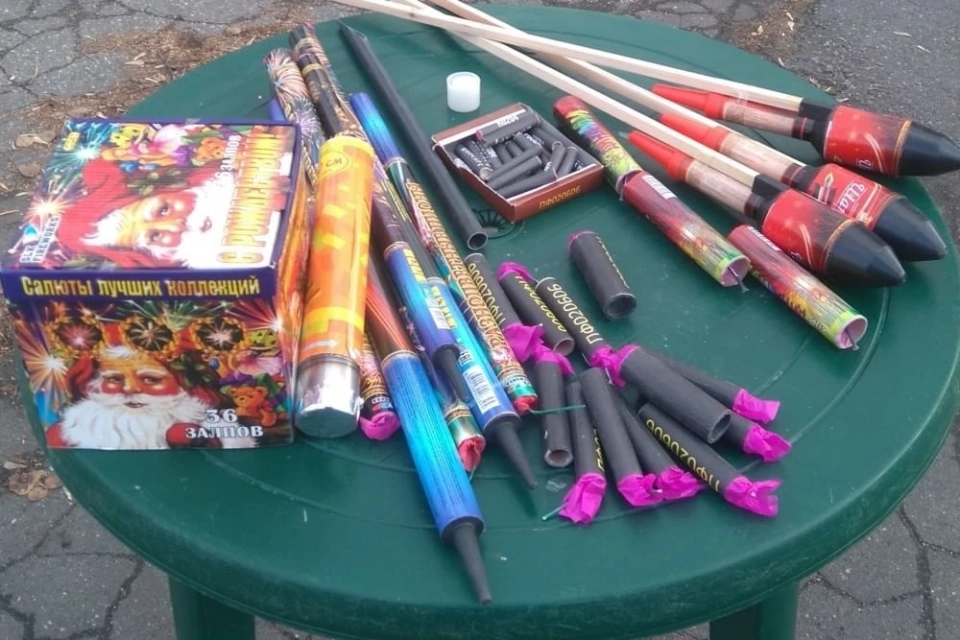
Dangers of Pyrotechnics: Small Fireworks — Big Problems
During the New Year holidays in Kyrgyzstan, numerous cases of injuries related to pyrotechnics are recorded. Boys aged 10-15 and adult men who try to figure out why a firecracker didn’t work are particularly vulnerable in this regard.
Members of the Ministry of Emergency Situations of the Kyrgyz Republic annually warn that the holidays create additional risks: injuries, burns, fires, and accidents. The most common injuries include:
- 2nd-3rd degree burns;
- Soft tissue tears in the hands;
- Eye injuries;
- Hearing injuries.
Orthopedic traumatologist Marat Mafkuyev emphasizes that during the holidays, doctors indeed expect an increase in injuries related to pyrotechnics. “Most often, we receive patients with injuries to their hands and fingers, especially on the night of January 1, when the active use of fireworks and firecrackers begins,” he explains.
How to Avoid Injuries?
- Purchase pyrotechnics only from specialized stores;
- Do not give them to children;
- Do not attempt to relight firecrackers;
- Do not hold fireworks in your hands;
- Launch fireworks in open areas, away from buildings and vehicles.
Holiday Nutrition: Risks on the Table
As the holidays approach, the Department of Disease Prevention and State Sanitary and Epidemiological Surveillance (Kyrgyz Republic) reminds the necessity of adhering to the rules for storing perishable products, salads, and canned goods. This will help avoid food poisoning, botulism, and intestinal infections.
Overeating and Pancreatitis
Gastroenterologists assert that acute pancreatitis is a common problem during the New Year holidays, caused by the consumption of fatty foods and alcohol.
Poisonings
The most frequent cases of poisoning occur due to pre-prepared salads and questionable cakes. Mayonnaise left at room temperature is an ideal environment for bacteria to multiply.
Doctors' Recommendations:
- Do not store mayonnaise salads for more than 4 hours;
- Avoid buying cakes from “hand”;
- Do not mix different types of alcohol;
- Be sure to drink water.
Alcohol: The Main Source of Problems in January
Alcohol continues to be one of the leading causes of injuries and fatalities in Kyrgyzstan, with about 2,500 deaths per year related to its consumption. This indicates that alcohol-laden gatherings pose a significant risk: from poisonings to traffic accidents and exacerbations of chronic diseases.
During the New Year days, most hospitalizations are also related to alcohol:
- Alcohol poisonings;
- Hypertensive crises;
- Injuries from falls;
- Fights;
- Traffic accidents.
What can help avoid troubles:
- Do not drink on an empty stomach;
- Alternate alcohol with water;
- Do not mix strong alcohol with carbonated water;
- Do not drive even after one glass.
Winter Walks: Injuries on Ice
Falls on the street are another common problem during the New Year period. Bruises, sprains, and fractures are frequently recorded.
Traumatologists note that the radius bone is most often broken, as people instinctively extend their hands when falling. The second most common injuries are head bruises and ankle fractures.
Argen Abdyldabekov, orthopedic traumatologist, emphasizes that safety during the holidays depends on the location of the event. “If you are celebrating outdoors or at a ski resort, be sure to follow safety rules and use appropriate equipment. If you sustain an injury, seek medical help immediately,” he advises.
Prevention Recommendations:
- Choose shoes with good soles;
- Be careful on stairs;
- Use your phone's flashlight in the dark;
- Avoid high heels on December 31 if you have to move around a lot.
Child Safety: Toys, Christmas Trees, and Burns
Every year, emergency services record numerous cases of burns in children, most often from hot drinks, candles, and firecrackers.
Pediatricians recommend:
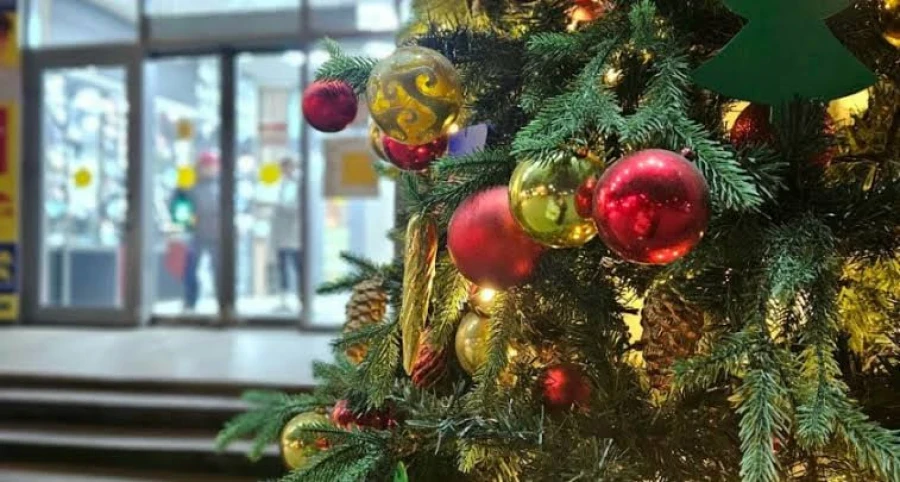
- Secure the Christmas tree to prevent it from falling on the child;
- Do not place candles near fir branches;
- Do not leave children unattended in the kitchen while cooking.
When setting up the New Year tree, it is important to ensure its stability on a secure base, and using candles and pyrotechnics indoors can be dangerous. It is better to prefer electric garlands and monitor their condition, not allowing children to turn on the decorations by themselves.
Psychological Aspects: Stress During the Holidays
Holidays do not always bring joy; for many, they become a source of stress, family conflicts, and financial difficulties. Psychologists note an increase in requests for help with anxiety disorders and panic attacks in January.
Expectations from the holidays, preparation for them, social obligations, and expenses can intensify stress and anxiety, especially in vulnerable individuals.
What can help:
- Lower your expectations for the holiday;
- Do not try to please everyone;
- Plan expenses in advance;
- Do not forget to take time to rest.
The New Year is traditionally associated with hope for change and family warmth. Celebrating the holiday in the circle of loved ones is an opportunity to spend time in safety and comfort. Following simple precautions will help reduce the likelihood of injuries and visits to medical facilities during the festive days.