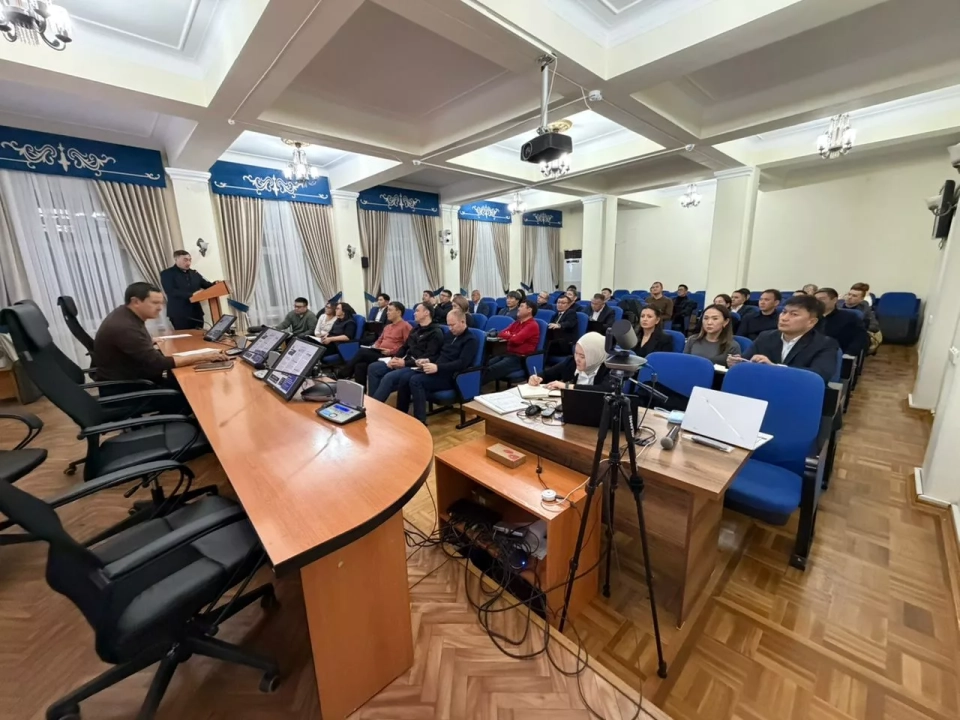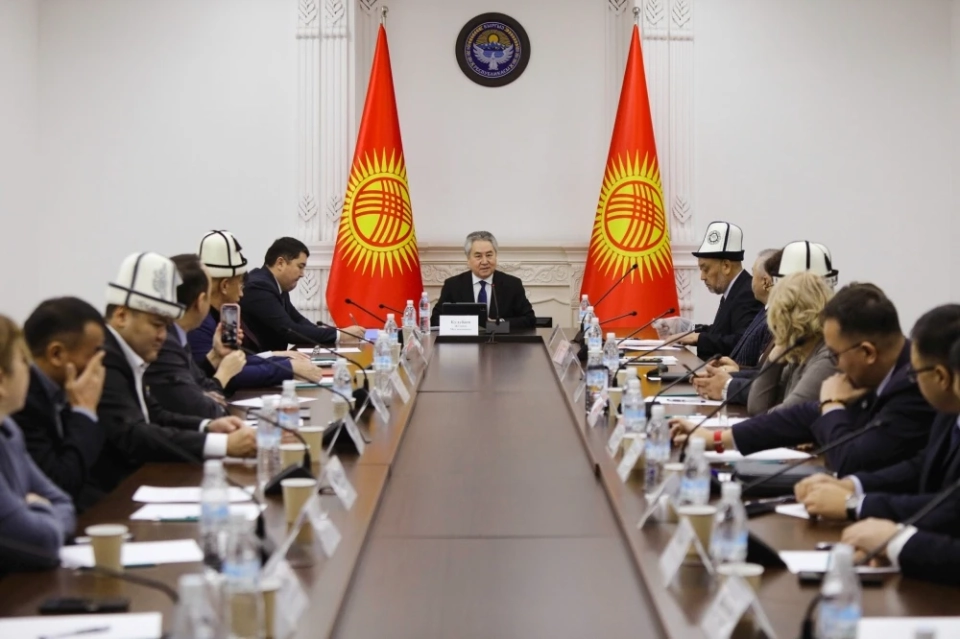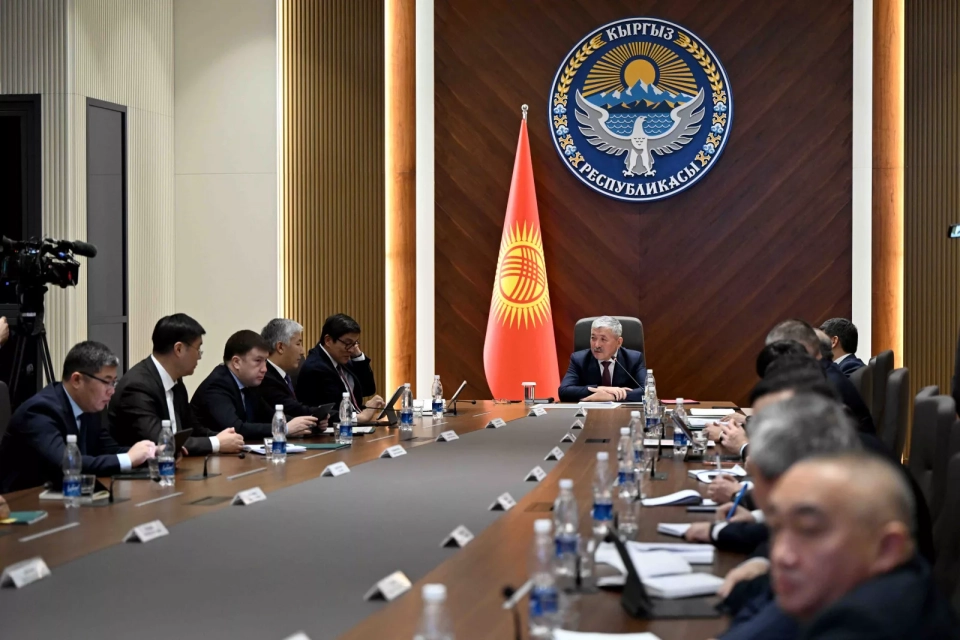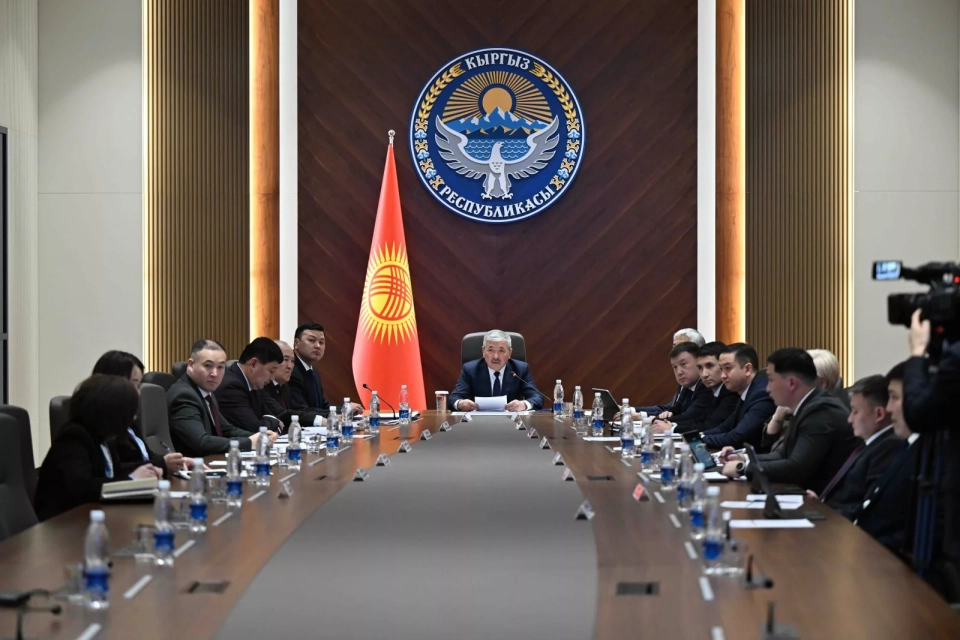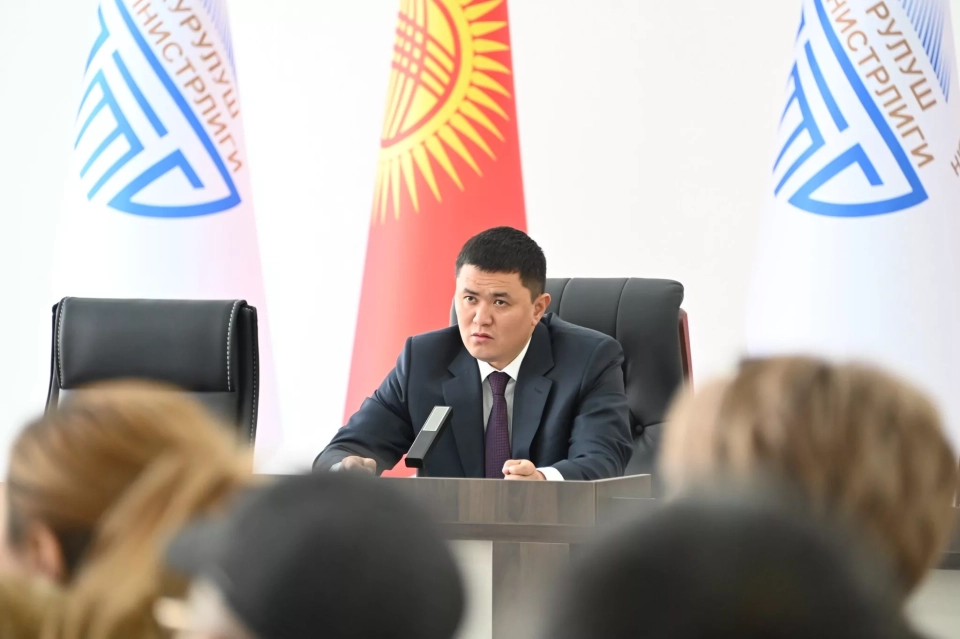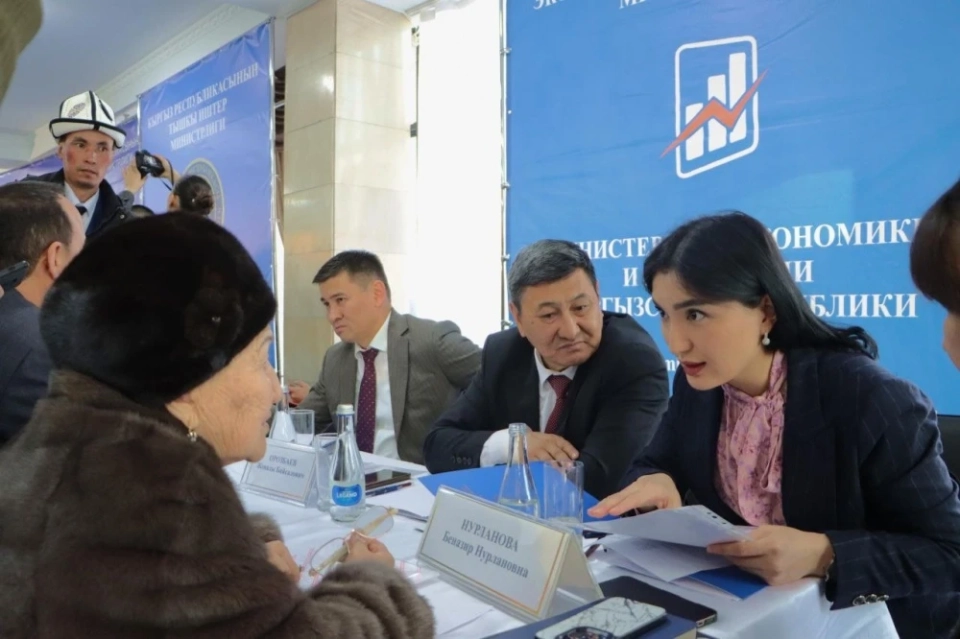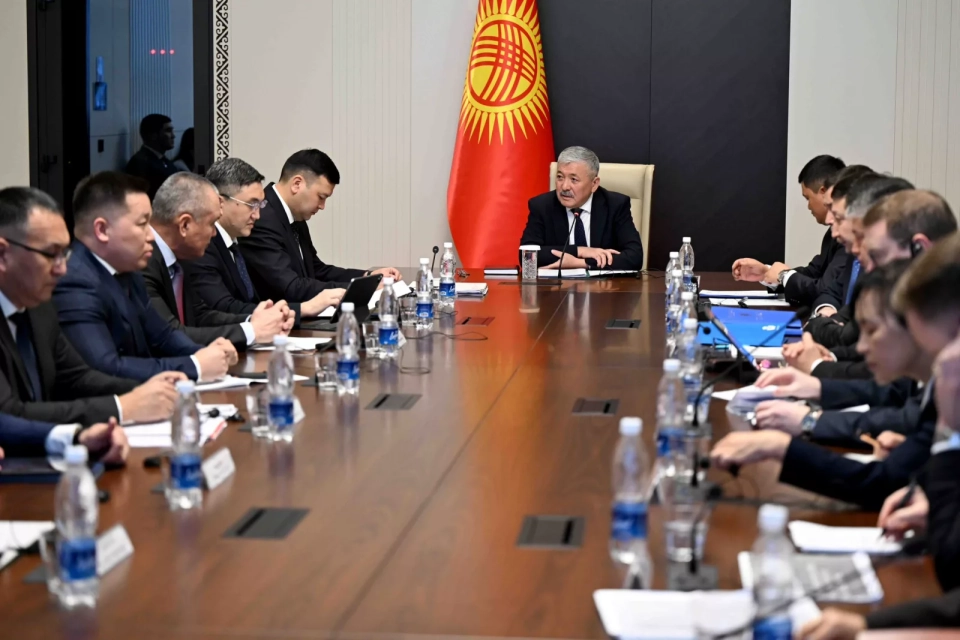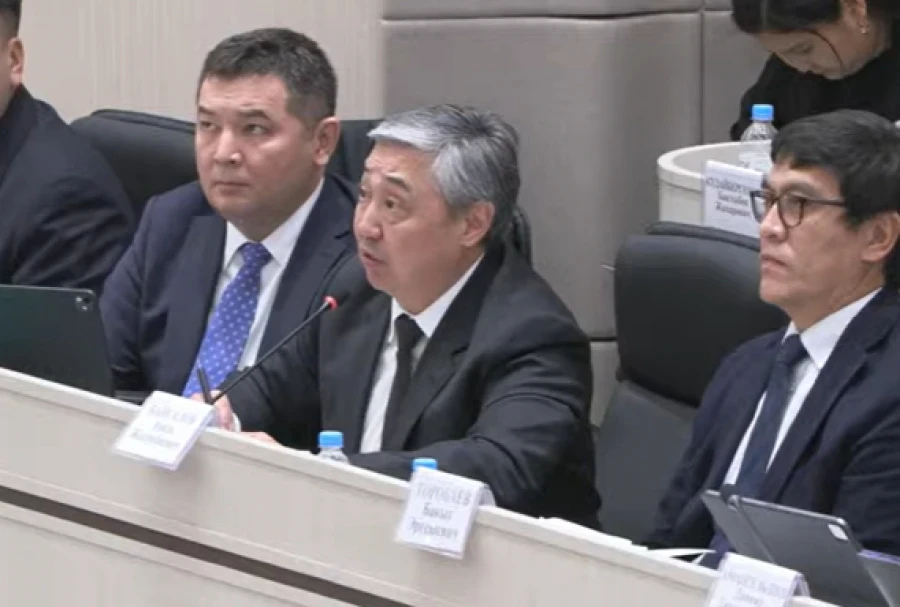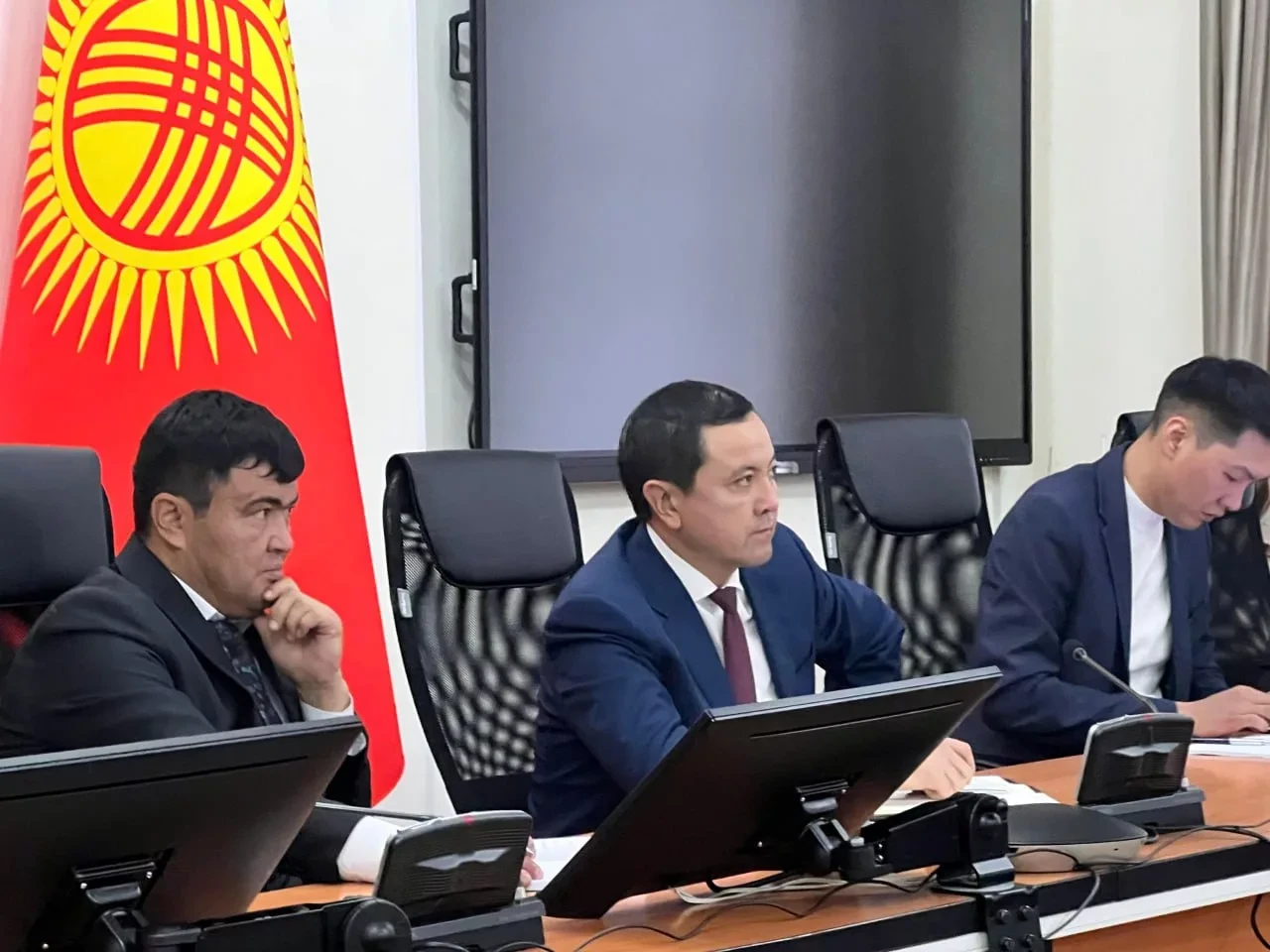
Kanybek Dosmambetov, the Minister of Health of Kyrgyzstan, held a meeting with representatives of the private pharmaceutical sector. The main topic of discussion was ensuring healthcare organizations have the necessary medications from the list of essential and necessary medicines (EEML).
During the meeting, it was emphasized that the issue of the shortage of the most in-demand medications needs to be resolved in the near future. Currently, some patients are forced to purchase medications abroad. To address this issue, a commission has been formed under the Ministry of Health, tasked with developing specific proposals to improve the situation by the end of December. Attention was also drawn to the need for prompt measures to ensure the supply of deficit medications.
Considering the growing demand for EEML and the scale of the healthcare system, ensuring stable supplies is only possible through a comprehensive approach and the unification of efforts. In this regard, optimization of the work of the State Enterprise "Kyrgyzpharmacy" is planned, including additional funding and improvement of procurement mechanisms.
The Minister also noted that the current structure of the pharmaceutical market, in which up to 95% of medications are imported, is vulnerable. Therefore, the government has developed financial support instruments for local pharmaceutical companies, including loan programs through the State Development Bank, aimed at localizing drug production.
Particular attention was paid to the procurement of medications for cancer patients. The Minister highlighted the importance of a responsible approach and careful decision-making in this area. Serious concerns were raised regarding some procurements related to clinical feasibility.
For example, the procurement of the drug "Keytruda" (pembrolizumab), carried out by the State Enterprise "Kyrgyzpharmacy" without the necessary accompanying documents, was discussed. The total procurement amount was approximately 80 million soms; however, the volume purchased is only sufficient for treating a limited number of patients — about six people at stage four of cancer.
The Minister emphasized that such an approach raises questions about the effectiveness of budgetary spending. Comparative expenses could have been directed toward the procurement of medications for patients at earlier stages of the disease, which would allow for treating a larger number of people and increasing the chances of recovery.
"Oncological drugs should not become a field for marketing experiments. Every decision in this area must be evaluated in terms of lives saved," the Minister noted.
In this regard, the Minister expressed dissatisfaction with unethical marketing, pressure on doctors, and manipulation of applications, as well as the substitution of clinical indications with commercial interests. In the context of tightening responsibility for official crimes, any violations in the field of drug provision will be treated with the utmost seriousness.
To enhance control and prevent unscrupulous practices, the implementation of a drug tracking system has been ordered to be completed. It must be fully functional by the end of January. This will ensure transparent control over the movement of drugs from procurement to the end consumer, forecast needs, and plan purchases in advance, excluding opaque schemes.
The Ministry of Health has also been tasked with developing a mechanism for forming a database of unscrupulous participants in the pharmaceutical market, which will include those who violate legislation and the principles of fair business conduct. Being on such a database will serve as a basis for restricting participation in drug supplies in Kyrgyzstan.
Summarizing the meeting, the Minister emphasized that drug policy should be built solely in the interests of the state and citizens.
"The Ministry must restore order in this sensitive area. There is no place for private interests here. The interests of the state and the patient will determine our further actions," concluded Kanybek Dosmambetov.
As a result of the meeting, the parties agreed to continue discussions and put forward proposals aimed at improving the accessibility of EEML and increasing the transparency of the pharmaceutical market, as well as protecting the interests of patients.