In 2025, the Third State Central Hospital successfully localized five advanced technologies in the field of neurosurgery, significantly reducing the number of patients seeking treatment abroad.
In the current year, the medical institution performed 1,908 open surgeries on the brain and spinal cord. Of these, 346 surgeries involved both malignant and benign tumors, with 104 of them, accounting for 30%, related to complex deep-seated tumors. Additionally, 5.8% of the surgeries (110 cases) were performed on children aged 0 to 16 years.
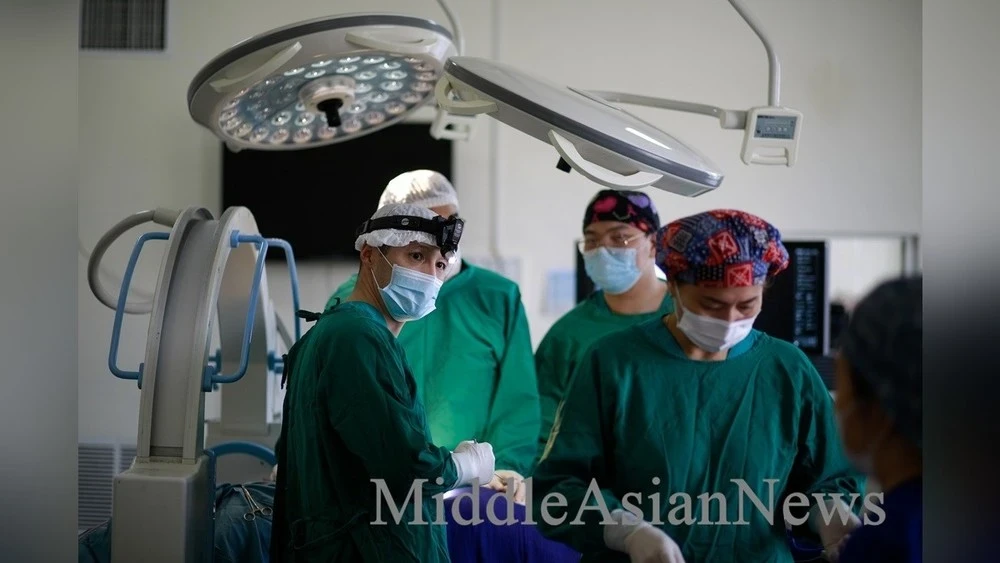
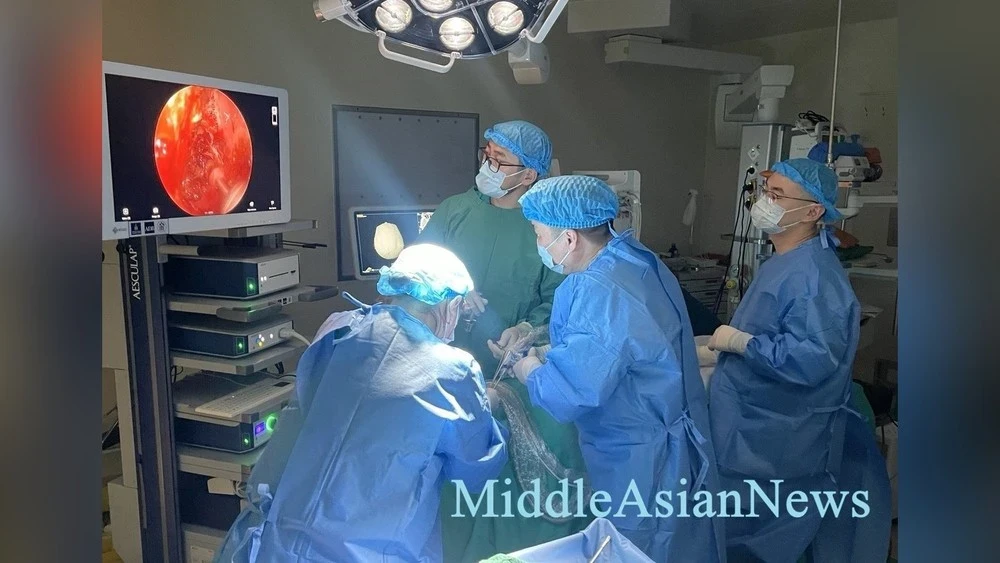
The new technology for endoscopic removal of deep-seated brain tumors, conducted using navigation, has already demonstrated a significant reduction in intraoperative and postoperative complications by 15–20 percent, as well as a decrease in patient hospital stay by 3–5 days.
For the first time in Mongolia, this hospital performed a localized carotid endarterectomy (CEA) procedure to remove fatty plaques from the carotid artery and restore normal blood circulation, serving as a preventive measure against stroke. This procedure was performed for 28 patients, marking an important step in reducing the likelihood of cerebral stroke.
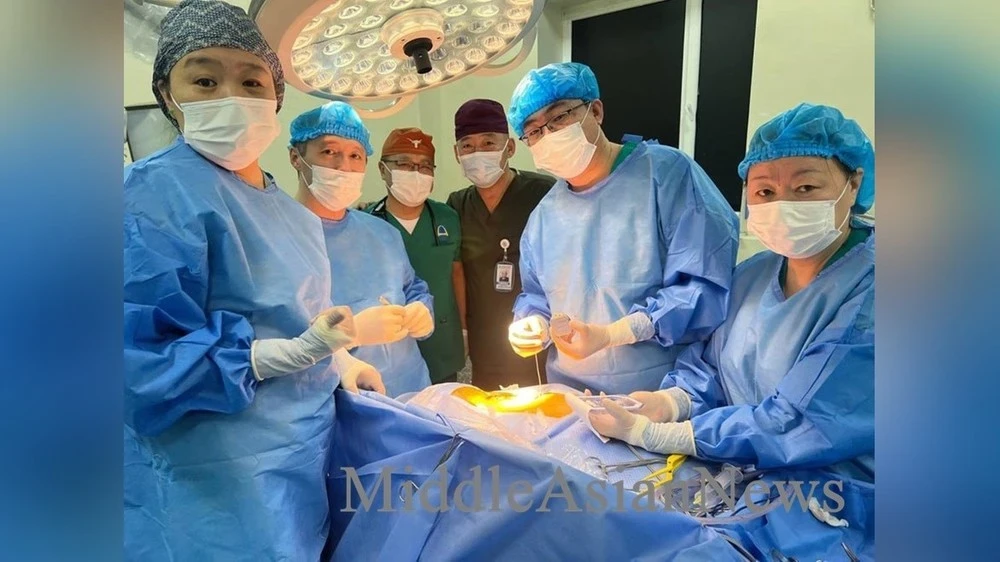
Using minimally invasive endoscopic techniques for surgeries on the cervical spine, 15 patients were treated, significantly reducing recovery time and facilitating the return of patients to work.
The hospital also successfully carried out four complex neurosurgical operations, including High-Flow Bypass surgery, which provides new vascular blood flow to the brain, preventing cerebrovascular disorders caused by significant narrowing or blockage of major arteries, tumors, or aneurysms.
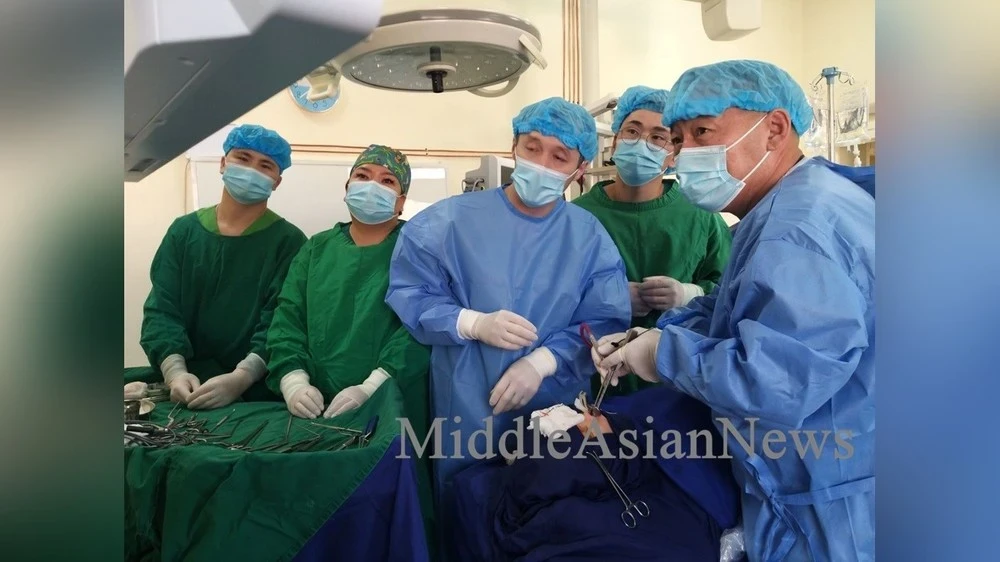
The hospital was recognized as an "Organization Implementing New Technologies" for its successful implementation of endoscopic surgery with navigational control for the treatment of deep-seated brain tumors.
With funding from its own budget and donations from the Khuree Rotary Club, the hospital invested ₮1.7 billion (approximately $479,000) in endoscopic neurosurgery, enabling citizens of Mongolia to access treatment for deep brain tumors and hydrocephalus at affordable prices, as well as reducing economic outflow by ₮1.9 billion (about $535,000).
Tatar S. Maidar
source: MiddleAsianNews