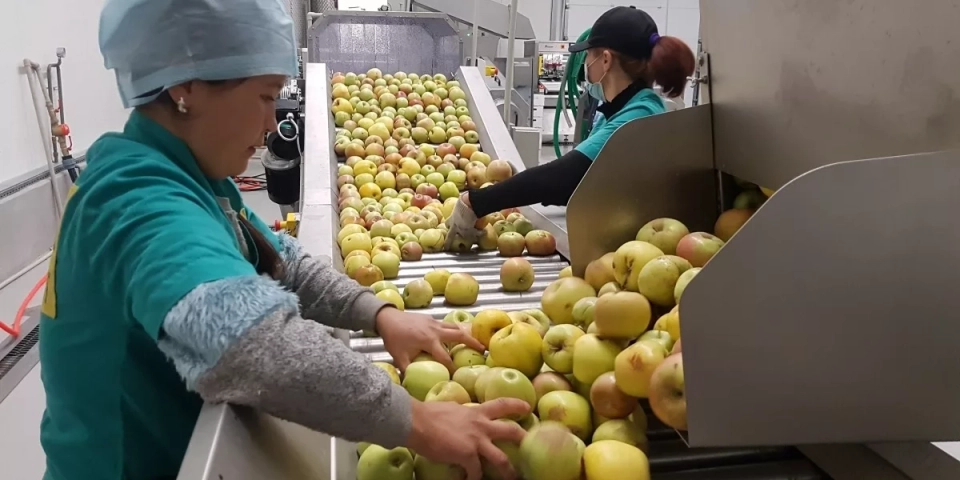
By the end of 2025, the Association unites 222 companies and farms from all regions, providing over 50,000 jobs and generating tax revenues of more than 5 billion soms.
These enterprises play an important role in the country's economy, creating a sustainable working environment.
One significant step was the adoption of the new Water Code of the Kyrgyz Republic, which abolished the mandatory licensing of groundwater use for agricultural needs. This greatly simplified the work of farmers, greenhouse operators, and processing enterprises, positively impacting the investment climate in the regions.
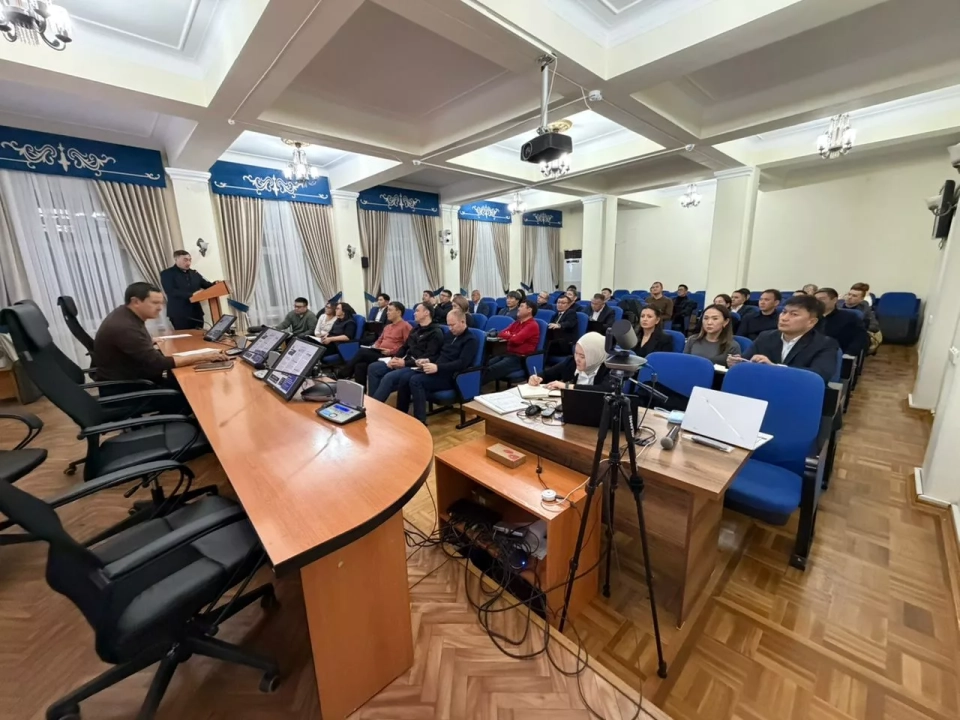
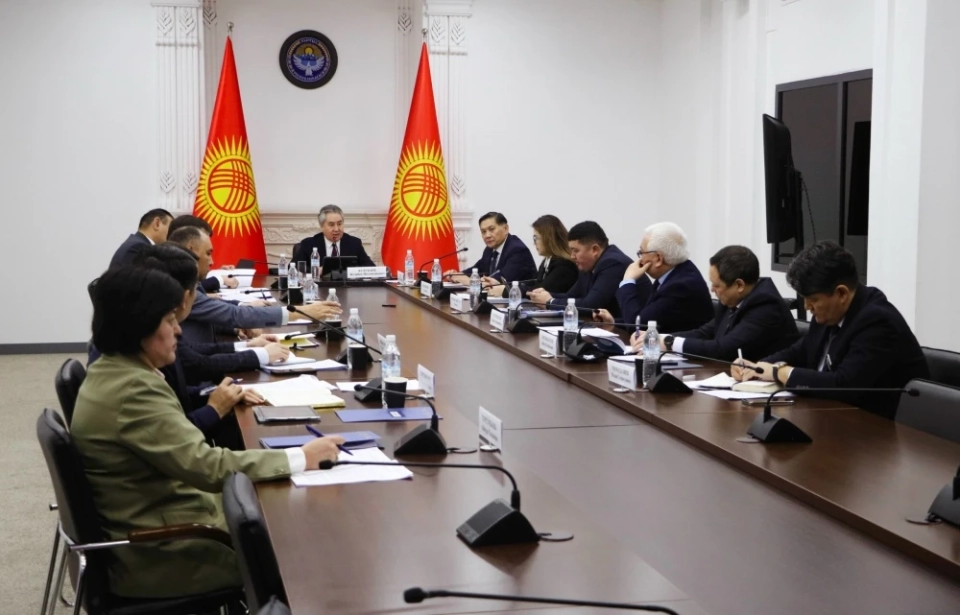
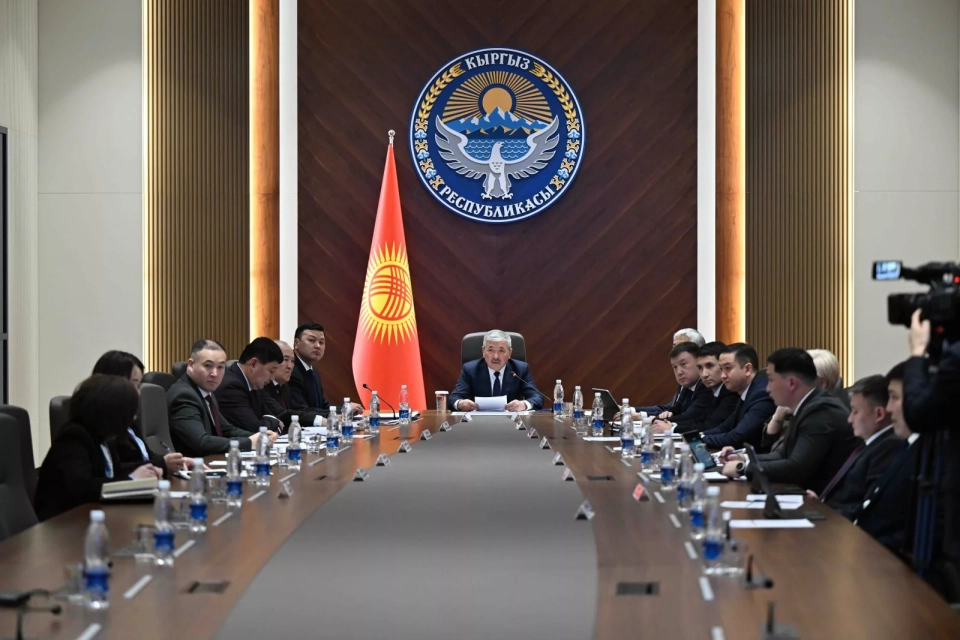
Photo of the Association of the Agro-Industrial Complex of the Kyrgyz Republic
In 2025, the Association also made changes to tax policy. As a result, the sales tax for the agricultural sector was reduced from 4% to 2%, and the VAT on domestic agricultural products sold at retail outlets was significantly cut by 80%. The excise burden on certain types of non-alcoholic beverages was also reduced, and the introduction of excise taxes on natural juices was prevented.
To facilitate exports, a supervisory warehouse of the Kyrgyz Republic was opened in China in 2025, simplifying veterinary and phytosanitary control and reducing logistics costs for exporters. Additionally, 250 million soms were allocated for subsidizing logistics expenses, including for agricultural and processed products.
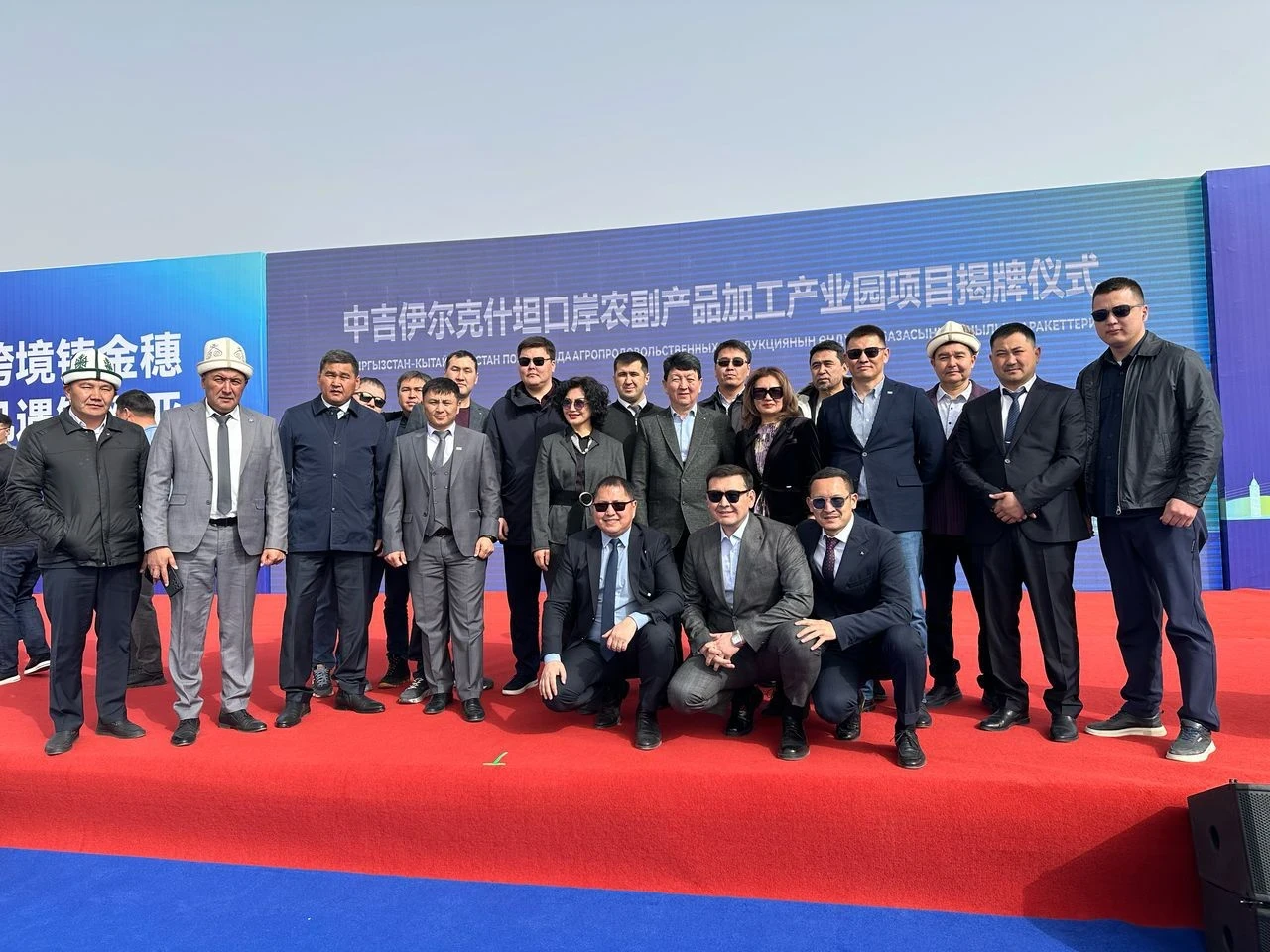
Throughout the year, Kyrgyz companies explored new export markets, including shipments of pumpkin seeds to Japan and China, as well as the export of day-old broiler chicks to Tajikistan, natural juices, and butter to Mongolia.
The Association played an active role in launching and modernizing processing and infrastructure projects in the Chui, Jalal-Abad, Osh, Naryn, and Issyk-Kul regions, as well as in implementing the regional initiative "Agro-Kerben Naryn."
In 2025, more than 150 companies within the Association participated in international exhibitions, forums, and business trips, expanding their cooperation to China, EU countries, the UAE, Kazakhstan, Russia, and several states in South and Central Asia.
For the first time, six companies that are members of the Association were awarded the title of "Honored Entrepreneur of the Kyrgyz Republic." Additionally, in 2025, the national drinks "Shoro" were included in the UNESCO list of intangible cultural heritage.

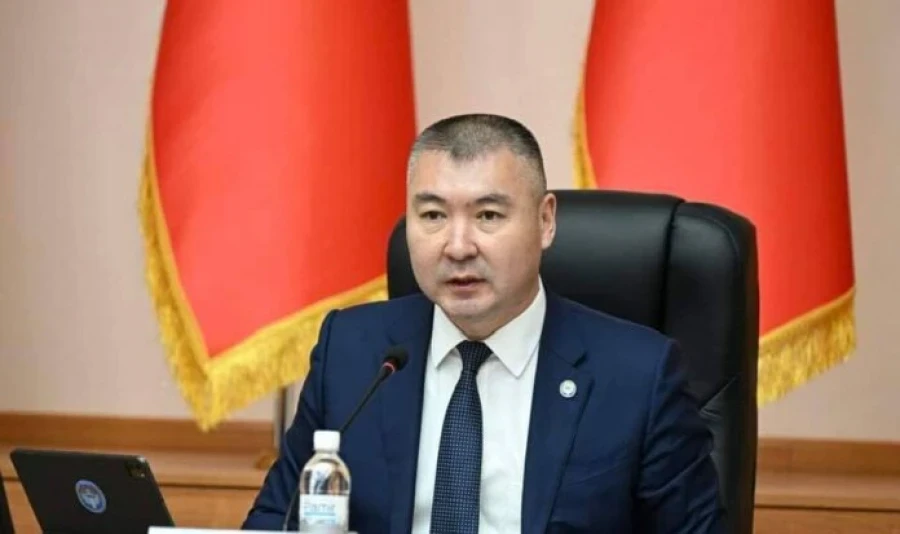
The Executive Director of the Association, Rustam Baltabaev, emphasized that 2025 was the year when concrete solutions were implemented and effective mechanisms for supporting agribusiness and exports were launched.