Translation of the article:
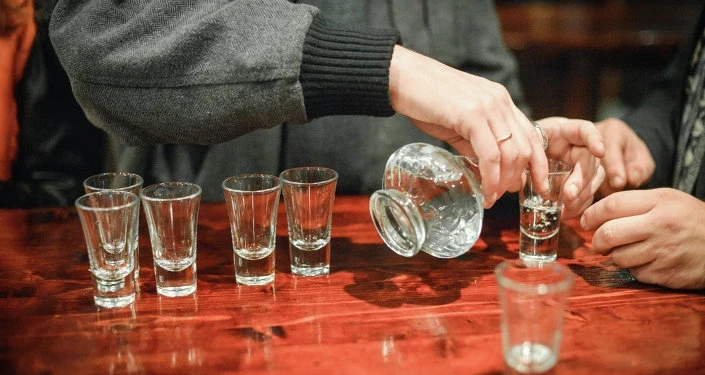
After a period of holidays and abundant alcohol consumption, many people feel the need for a break.
The Dry January trend encourages people to abstain from alcohol for a month at the beginning of the year, which has become a popular way to regain health after the holidays and start the new year with positive habits.
Research shows a connection between alcohol and numerous diseases, from hangovers to an increased risk of cancer.
In a recent episode of The Dr. Mark Hyman Show podcast, Dr. Mark Hyman, the Chief Medical Officer of Function Health, discussed how 30 days without alcohol can transform the body.
Hyman, who practices in Massachusetts, described Dry January as "a powerful way to see in real-time how alcohol affects almost every system in the body and how quickly they can recover."
The Impact of Alcohol on the Brain and Body
According to Hyman, many consume alcohol in an attempt to boost their confidence and joy in social situations. Ethanol, the main component of alcohol, creates this effect but also has toxic properties.
Alcohol slows down brain function and reduces self-control instead of stimulating it.
“You may feel relaxation, sociability, and confidence, perhaps even a slight euphoria,” noted Hyman.
However, the influence of alcohol can impair decision-making abilities and slow reaction times.
Alcohol affects the prefrontal cortex of the brain, which is responsible for judgment and self-control, and Hyman refers to it as the "adult in the room."
“It shuts down quite early when alcohol is consumed, which explains why people become more impulsive,” he added.
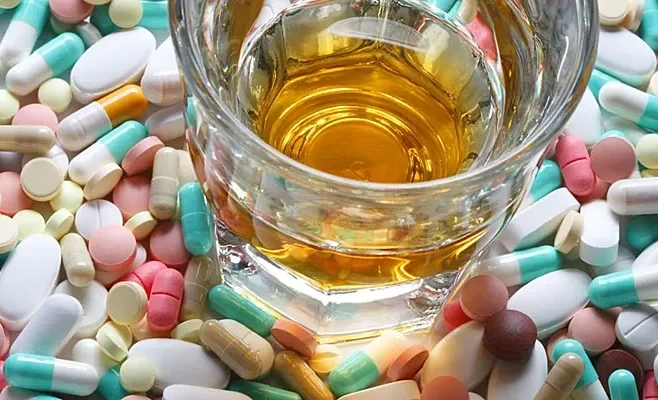
Even moderate doses of alcohol can cause metabolic stress and inflammation, disrupting detoxification processes and hormonal balance, affecting all systems of the body.
Additionally, alcohol increases the risk of cancer, metabolic disorders, and negatively impacts mitochondria.
Alcohol hinders the normal entry into the rapid eye movement (REM) sleep phase, which is essential for body recovery and detoxification, Hyman emphasized.
Memory problems, anxiety, sleep disorders, and cardiovascular diseases are just some of the long-term consequences of alcohol consumption, including liver issues such as fatty liver disease.
“Ultimately, alcohol affects every key system in the body, especially the liver, brain, and hormonal system,” he summarized.
What Happens After 30 Days Without Alcohol
According to Hyman, the cleansing process begins in the first week after stopping alcohol consumption. Blood sugar and cortisol levels normalize, the liver starts to recover from "accumulated toxins," and hydration and energy levels improve.
In the second week, the gut and brain begin to balance: serotonin and dopamine hormones stabilize, inflammation in the gut decreases, and the microbiome recovers. Cravings for sweets and alcohol diminish, and mental clarity returns.
The third week is marked by further reductions in inflammatory processes and decreased fat deposits in the liver, which often reflects in appearance—skin swelling decreases. Mood becomes more stable, and anxiety levels drop.
In the fourth week, according to Hyman, the body gains additional benefits, including improved insulin sensitivity, which aids in weight loss.
“The immune system becomes more effective, you get sick less often. Deep sleep improves, hormones, especially cortisol and testosterone, normalize,” he noted. “At the same time, energy, confidence, and concentration levels significantly increase.”
Dr. Pinchie Chiang from Circle Medical clinic in San Francisco added that Dry January is not just a "detox" but an opportunity to receive feedback from the body.
“It allows the body to show how it feels without alcohol. For many, this realization changes their relationship with drinking,” she noted. “The biggest surprise is not what they give up, but how much better they start to feel.”
Chiang also pointed out that the first days without alcohol can be challenging—anxiety and sleep disturbances may occur; however, Dry January can change drinking habits for the entire year.
She added that after a full year without alcohol, even more significant health improvements are observed.
“We see sustained improvements in blood pressure, liver function, and levels of inflammation,” she said. “These changes significantly impact long-term risks of cardiovascular diseases and stroke.”
Risks of the "All or Nothing" Approach
Some specialists warn that Dry January may increase the desire to drink in other months. They believe that for some people, a gradual reduction in alcohol may be more effective.
Thomas Stopka, an epidemiologist and professor of public health at Tufts University School of Medicine, noted in a comment to Futurity that a "moderate January" might be a suitable option for some.
“Dry January is a good initiative, and for those who can follow this plan, it can be successful even after January ends,” he said. “But for others, it may be easier to reduce alcohol consumption than to completely abstain for a month.”
Stopka emphasized that harm reduction strategies should be “free from judgment.” He added: “Substance use disorder is a disease, and it takes time and support to treat it.”
People showing signs of alcohol dependence are advised to consult a doctor for personalized recommendations.