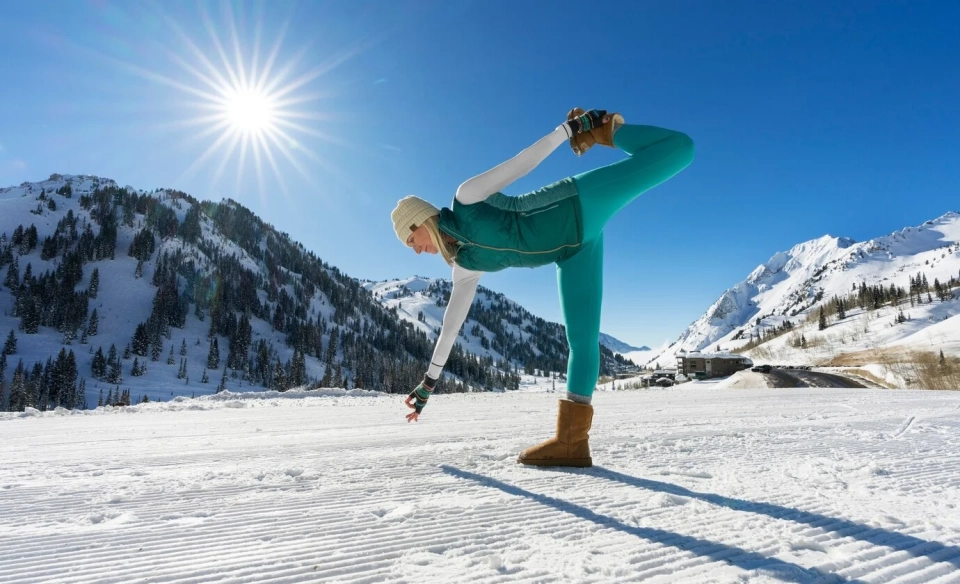
In youth, maintaining balance on one leg is not difficult. However, after the age of 50, the ability to remain upright for more than a few seconds can serve as an indicator of overall health.
McKay notes that activities involving standing on one leg can reduce the likelihood of falls, strengthen muscles, and have other positive effects on health in older age.
Maintaining muscle tone in the legs and hips
The ability to stand on one leg is an important indicator of physical condition, as it is related to age-related muscle loss known as sarcopenia. Starting at age 30, we lose up to 8% of muscle mass every 10 years, and by age 80, 50% of people face a clinical form of sarcopenia. Individuals who regularly practice balancing on one leg are less susceptible to this issue in old age, as this exercise helps maintain the muscles of the legs and hips in good shape.
The connection between balancing ability and brain function
To maintain balance, not only physical strength and flexibility are required, but also the brain's ability to process information from the eyes, vestibular system, and somatosensory system. This suggests that the ability to stand on one leg can serve as an indicator of the condition of key areas of the brain.
Reducing the risk of falls and premature death
With age, brain atrophy occurs, and if this process happens too quickly, it can hinder physical activity and increase the risk of falls. Studies show that exercises on one leg can effectively reduce the likelihood of falls.
The ability to maintain balance on one leg may also indicate short-term risk of premature death. A 2022 study found that individuals unable to stand on one leg for 10 seconds in middle age have an 84% higher risk of death from any cause in the following seven years.
Regular practice on one leg can not only strengthen the core, hip, and leg muscles but also positively impact overall brain health.
"The brain is not a static structure. It has high plasticity. One-leg exercises truly improve balance and change the structure of the brain, especially in areas responsible for sensorimotor integration and spatial perception," explains Espiritu McKay.
Recommendations for performing exercises
McKay advises people over 65 to practice standing on one leg at least three times a week to improve flexibility and reduce the risk of falls. Ideally, she recommends incorporating this exercise into daily activities.
Simple actions, such as standing at the sink while washing dishes or brushing teeth, can provide excellent opportunities for balance training. One should try to sway as little as possible and hold the balance for longer. Smooth exercises to strengthen the thigh muscles with light resistance will help improve one-leg standing skills.