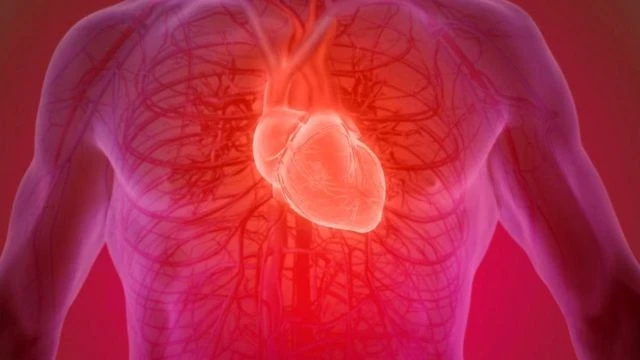
During physical activity, specific molecules enter the bloodstream that reduce inflammatory processes, improve vascular function, and normalize metabolism.
In laboratory treatments of bowel cancer cells with blood from individuals who had just completed a workout, significant changes were observed: the activity of over 1300 genes was modified, including those responsible for DNA repair, energy production, and tumor growth.
“It’s amazing, but exercise affects not only healthy tissues — it sends powerful signals through the bloodstream that impact thousands of genes in cancer cells,” noted Dr. Sam Orange, who leads the research.
How Physical Activity Affects the Body
- Physical activity activates several protective mechanisms:
- Energy metabolism improves. Cells begin to use oxygen more efficiently, which helps strengthen healthy tissues.
- The proliferation of cancer cells slows down. Genes responsible for rapid tumor development become less active, making cancer less aggressive.
- DNA repair is accelerated. A crucial role in this process is played by the protein interleukin-6 (IL-6) and the PNKP gene, which help correct damage in the genetic material of cells.
The study involved 30 individuals aged between 50 and 78 years, suffering from overweight or obesity — factors that contribute to cancer development. All participants completed a 10-minute intense workout on a stationary bike.
Blood analysis conducted before and after the workout showed an increase in the levels of 13 key proteins, including those that combat cancer cells.
“Even one workout can significantly change the situation,” emphasizes Dr. Orange, a clinical physiologist at NHS. “Just 10 minutes of physical activity can send powerful protective signals to the body. This is a reminder that every step and every activity matters for your health.”
According to statistics, regular physical activity reduces the risk of developing bowel cancer by about 20%. It is not necessary to go to the gym — walks, cycling, gardening, or even cleaning the house are sufficient.
Bowel cancer ranks fourth among the most common types of cancer in the UK. Every 12 minutes, one person is diagnosed with this disease — nearly 44,000 cases are recorded each year. Every half hour, one patient dies from this illness.