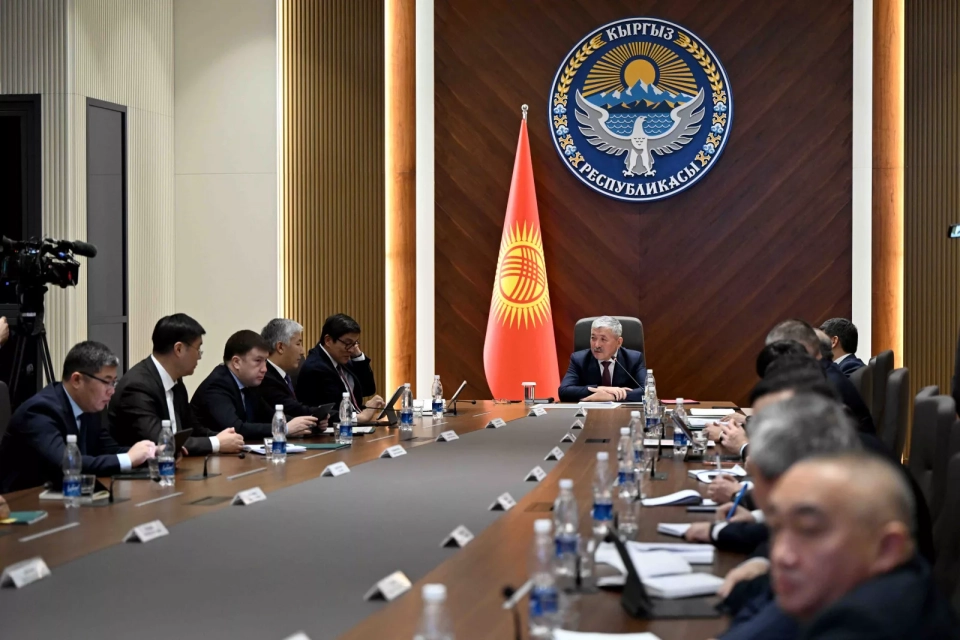
On January 2, 2026, Prime Minister Zandan Shatar Gombojav visited the Cell, Tissue, and Organ Transplantation Center, where a budget of ₮2.02 billion (approximately $569,000 at the current exchange rate) was announced for the establishment of a new laboratory specializing in histocompatibility. This was reported on the official government website.
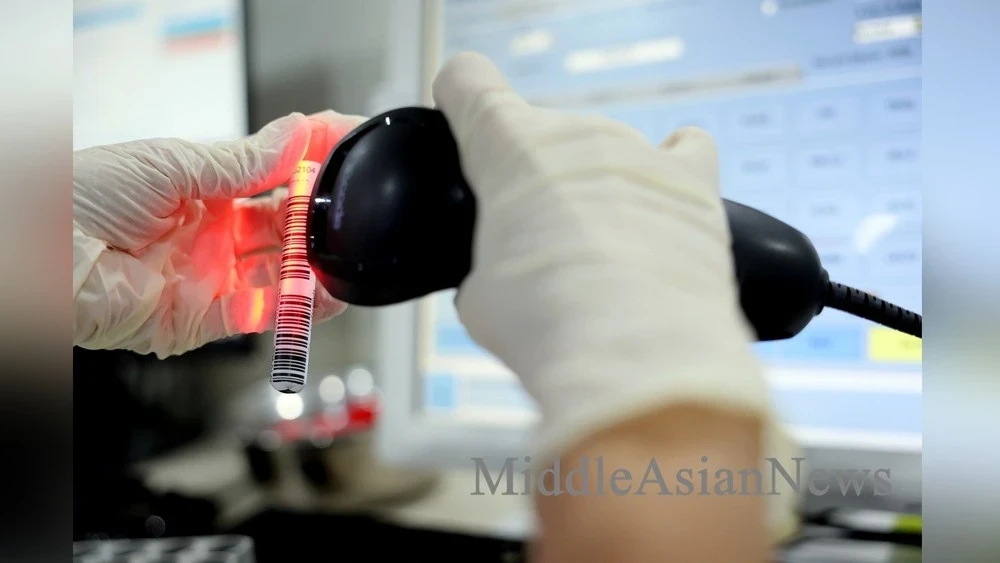
The histocompatibility laboratory is an institution where studies of the Major Histocompatibility Complex (MHC or HLA typing) are conducted to assess tissue compatibility, which is crucial for transplantation and reproductive health. The main task of the laboratory is to determine HLA antigens (HLA-A, -B, -DR, -DQ, -DP) in the patient's DNA, which allows for the selection of suitable donors for organ transplant surgeries and identifying causes of infertility or pregnancy loss. The analysis data help predict the immune response and risks of transplant rejection, as well as identify predisposition to autoimmune diseases.
The histocompatibility laboratory is vital in organ transplantation, ensuring the compatibility testing of tissues between the donor and recipient. This allows medical professionals to analyze compatibility, predict possible postoperative complications, and assess treatment efficacy. Additionally, the laboratory's equipment will also be used for cancer diagnosis and treatment, enabling early detection of tumors at the genetic level.
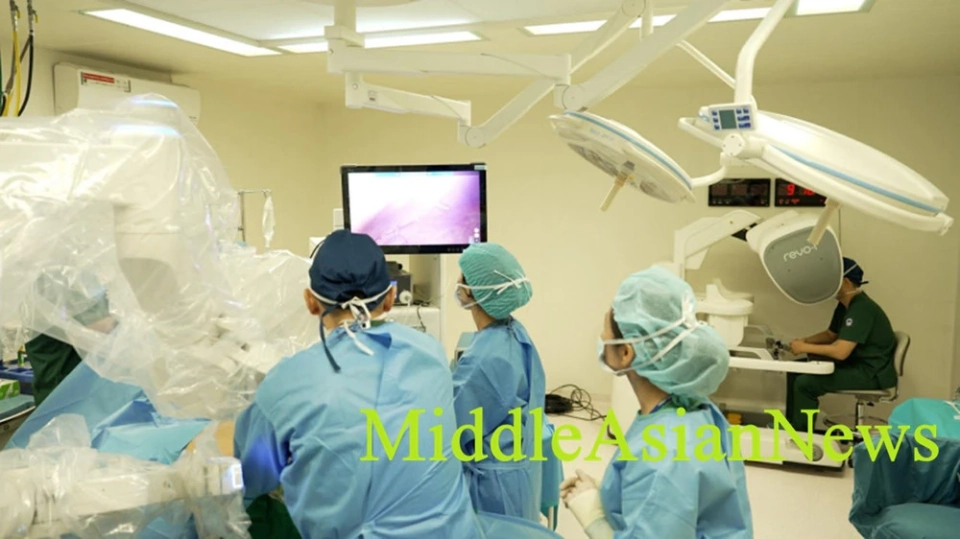
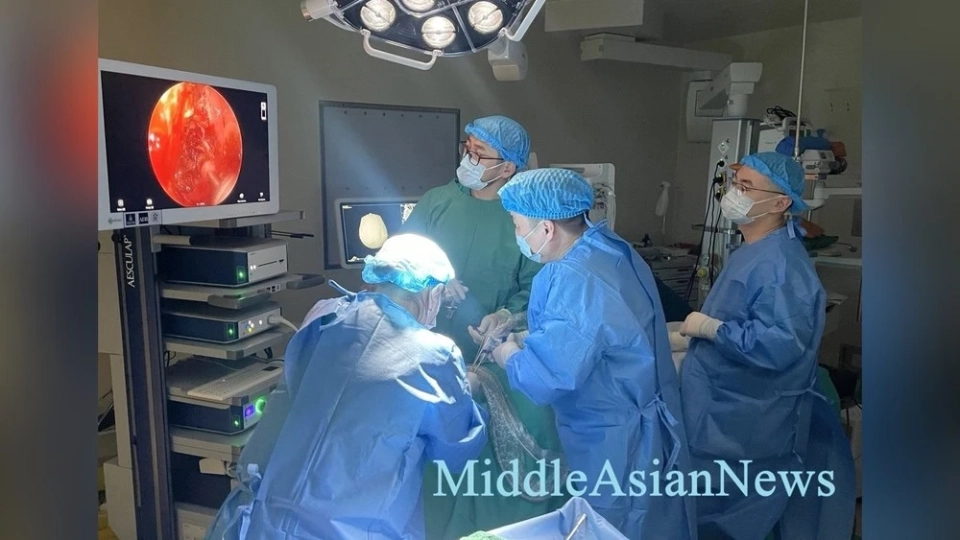
With the opening of this laboratory, the Second State Multidisciplinary Hospital will be able to independently conduct tissue matching for liver and kidney transplants this year. This is an important step that will help reduce waiting times for organ transplant surgeries in the country.
This year, the hospital planned to perform 10 liver transplants and 5 kidney transplants. With the launch of the laboratory, the number of such surgeries may increase.

Currently, kidney diseases rank first among patients waiting for organ transplants in Mongolia. Of the 1,094 people on the waiting list, 683 need kidney transplants, and 182 need liver transplants. According to the Coordination Department for the Transplantation of Cells, Tissues, and Organs for 2023, more than 250 people are diagnosed each year with conditions requiring kidney transplants and are added to the waiting list.
According to a joint report by the Ministry of Health and the World Health Organization (WHO), between 100,000 and 120,000 people in Mongolia may suffer from various forms of chronic kidney disease. Each year, about 1,300 to 1,500 people begin receiving hemodialysis treatment, and 1,000 to 1,200 are newly diagnosed with chronic kidney failure. About 60% of them subsequently require hemodialysis or kidney transplants.
Healthcare workers emphasize that the growing number of chronic kidney failure cases and stagnation in mortality rates highlight the need to improve access to treatment through organ transplantation.
Tatar S. Maydar
source: MiddleAsianNews