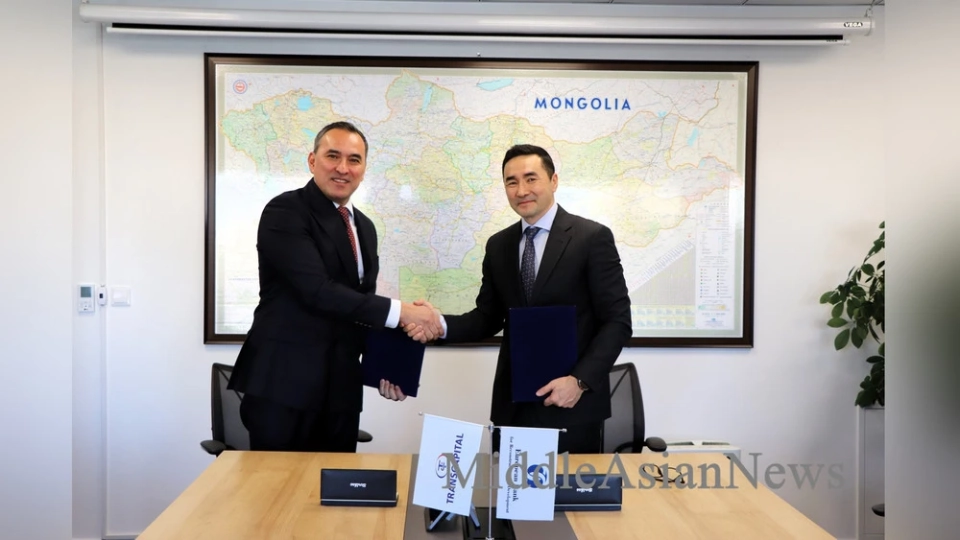
According to information from IPMO, the second phase of the project will be implemented in two stages. The estimated budget for the first phase is ₮6.6 trillion (approximately $18.6 billion), of which the contractor is expected to provide financing for 85% of the total cost, while the remaining 15% will be covered by the capital's budget. Package II is planned to be announced in the fourth quarter of 2026.
The first stage of the tender for selecting the general contractor for Ulaanbaatar Metro was launched in October 2024, and its opening took place in April 2025. A total of 27 companies from seven countries were allowed to participate in the tender: the United Kingdom, France, India, China, Mongolia, South Korea, and Russia.
A partnership led by Dohwa Engineering from South Korea was selected as the project management consultant for Ulaanbaatar Metro. Since July 2024, the consultant has been working on the revised feasibility study and conceptual design, which have been gradually approved by the relevant government authorities.
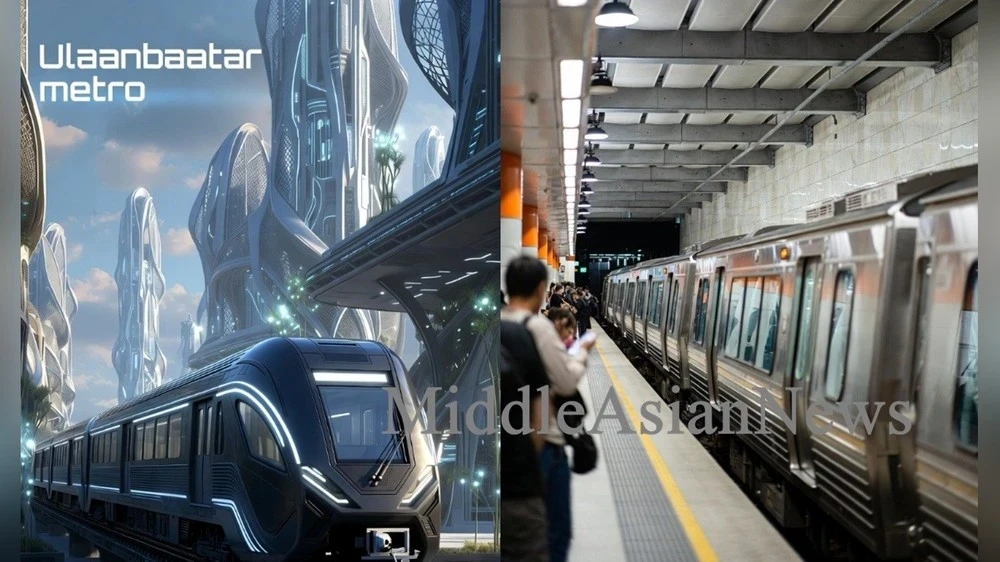
Based on the revised feasibility study, the construction of Ulaanbaatar Metro is planned along Enkhtaiwan Avenue. The total length of the metro will be 19.4 km, it will be laid at a depth of 20–30 meters and will include 15 stations. The system will be able to transport up to 17,000 passengers per hour during peak hours, and by 2030, it is projected to serve about 450,000 passengers per day with an expected increase in daily trips to 4.5 million in Ulaanbaatar.
It is estimated that the completion of the project will lead to an 18% reduction in traffic congestion in Ulaanbaatar. Travel time between the Tolgoit and Amgalan stations will be reduced by 32 minutes. According to the feasibility study, economic losses due to traffic jams and excessive use of private cars could decrease by $600 million.
Additionally, the project will create conditions for 150–200 retail and service enterprises at the metro stations and provide over 150,000 jobs in their immediate vicinity, positively impacting the city's economic activity. From an environmental perspective, the project is expected to reduce annual carbon dioxide emissions by 213,000 tons, equivalent to the emissions produced by approximately 20,000 traditional Mongolian yurts.
Tatar S.Maidar
source: MiddleAsianNews