The "Salyk Kuzot" system stands out for its high level of integration, combining data from key state information resources, including customs data, electronic invoices, tax reporting, and information on the movement of goods. All this data is linked in a single digital environment, allowing for real-time analytics.
A key achievement has been the elimination of the human factor.
Previously, the effectiveness of tax inspections depended on the personal interpretations of inspectors, selective analysis, and subjective decisions, but now all discrepancies are recorded automatically:
- detection of fictitious transactions;
- identification of related companies;
- discovery of shell companies and tax evasion schemes;
- comparison of reports with actual tax revenues.
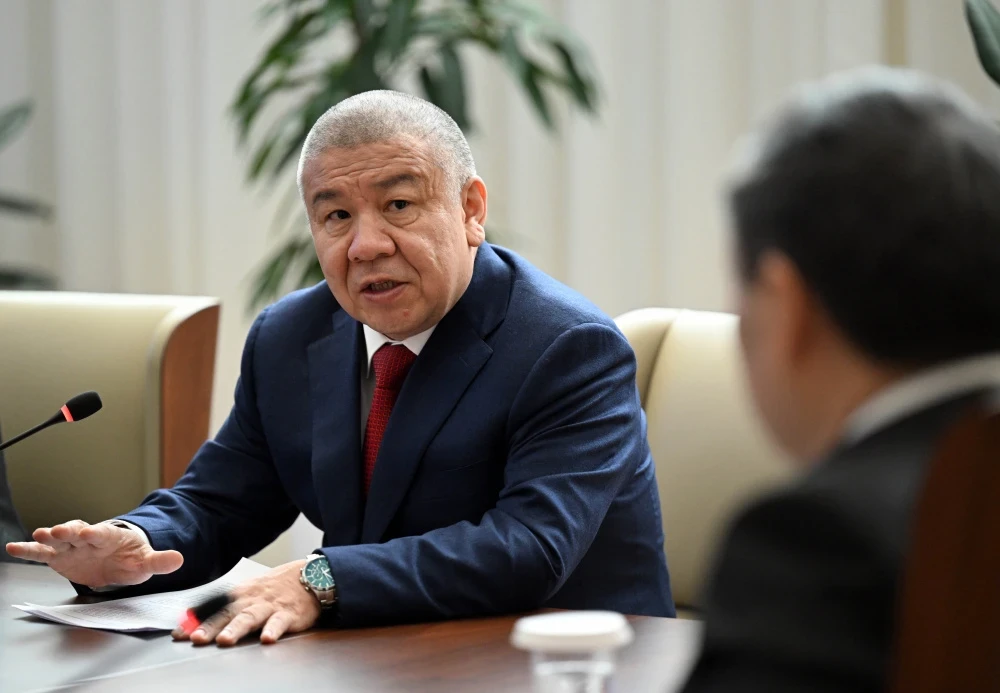
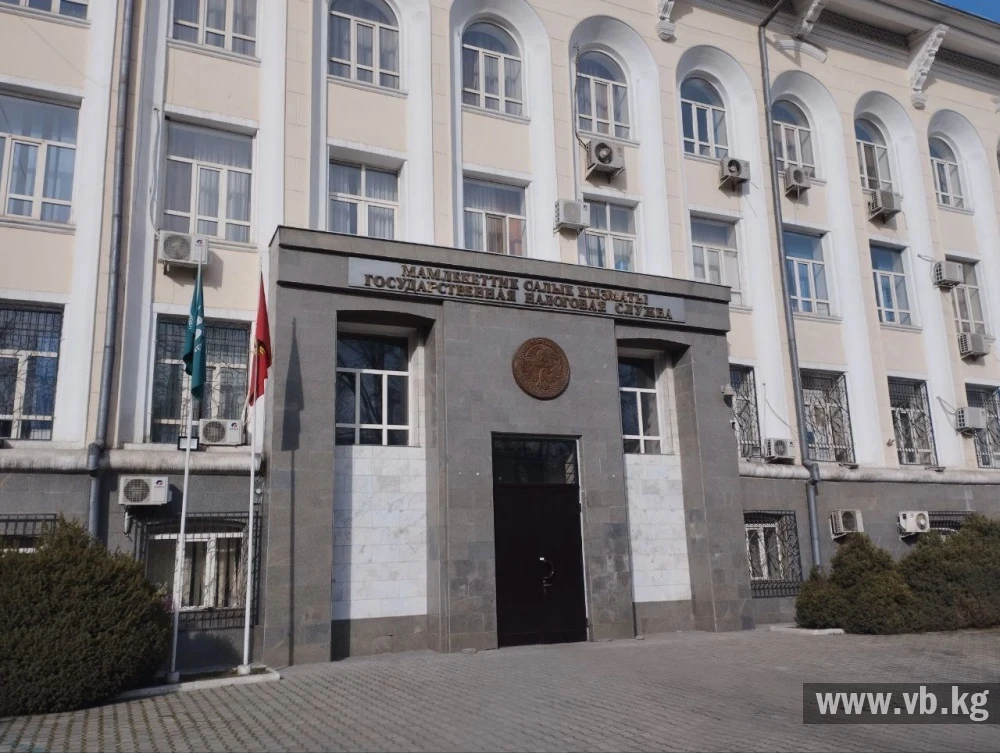
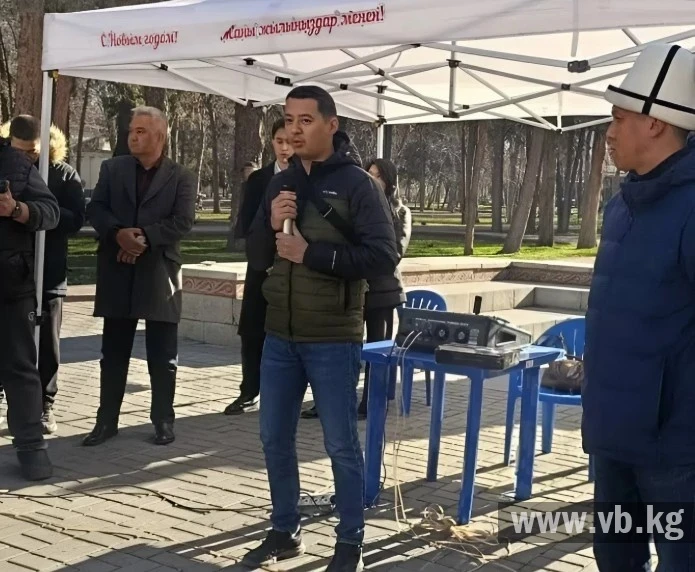
Shamshybek Kachkynbai uulu, director of the state institution "Salyk Service", noted that the new system significantly reduces opportunities for corruption in the tax sphere: "Even if someone tries to resolve an issue through an unscrupulous inspector, every action will leave a digital trace. The data in 'Salyk Kuzot' cannot be manually forged — they come from several independent sources. Our task is not to increase the number of inspections, but to make violations obvious."
According to him, the implementation of this system levels the competitive conditions for entrepreneurs. Previously, companies that saved on taxes won in the market, but now the advantages go to those who operate legally.
"Salyk Kuzot" will be used for risk analysis and will form the basis for the second phase of tax reform. It is expected that digital control will help reduce the level of corruption, increase tax collection, and create a fair competitive environment for business.