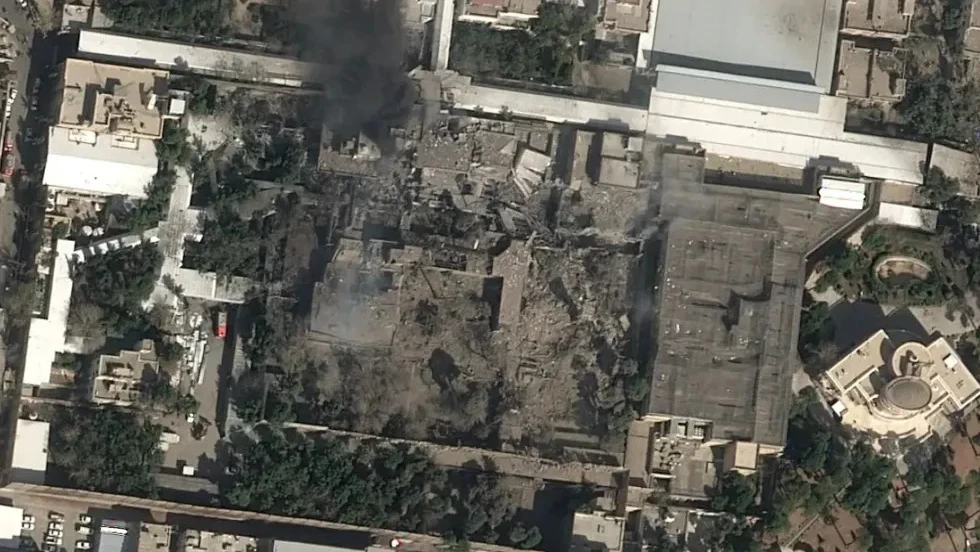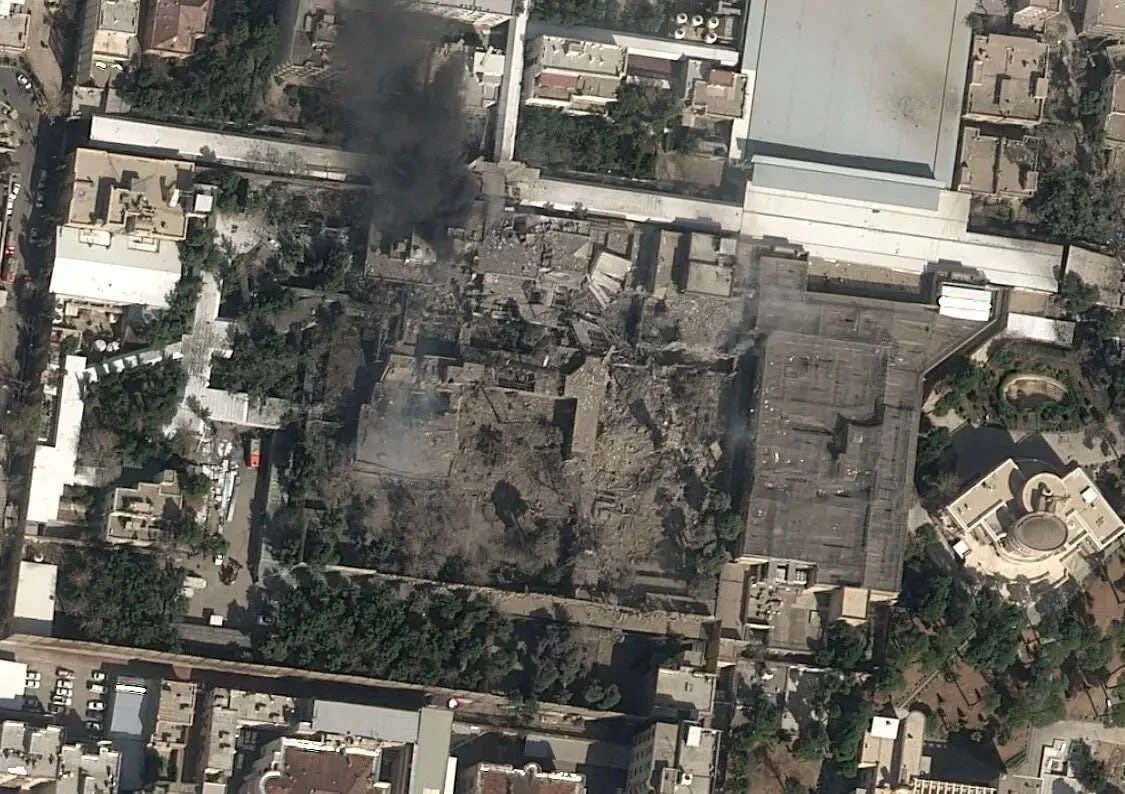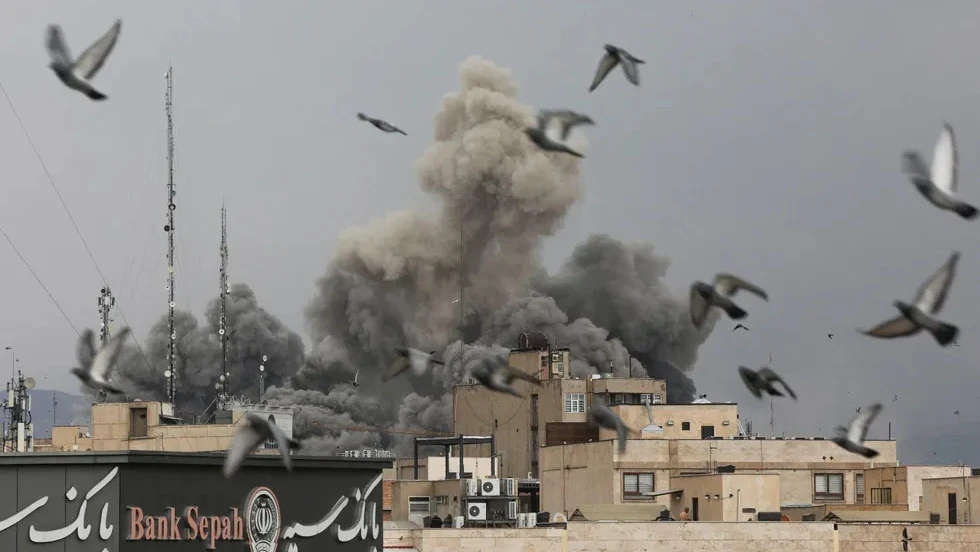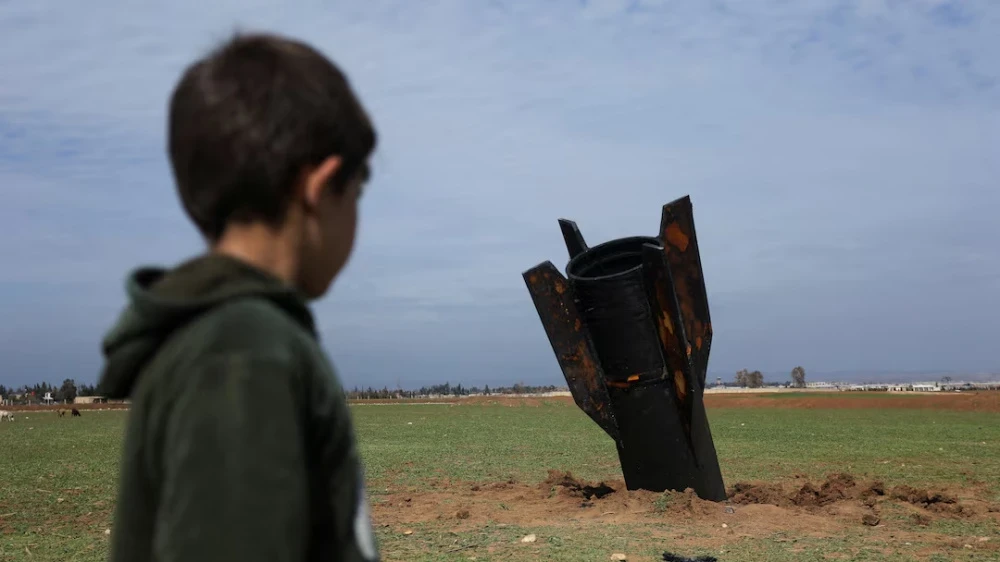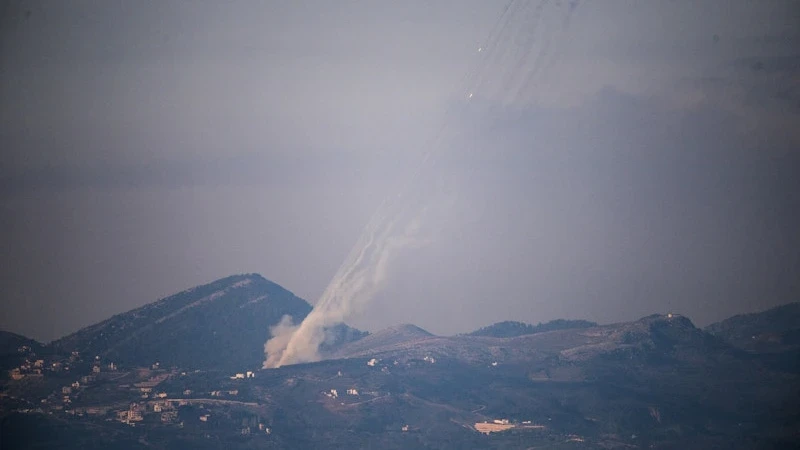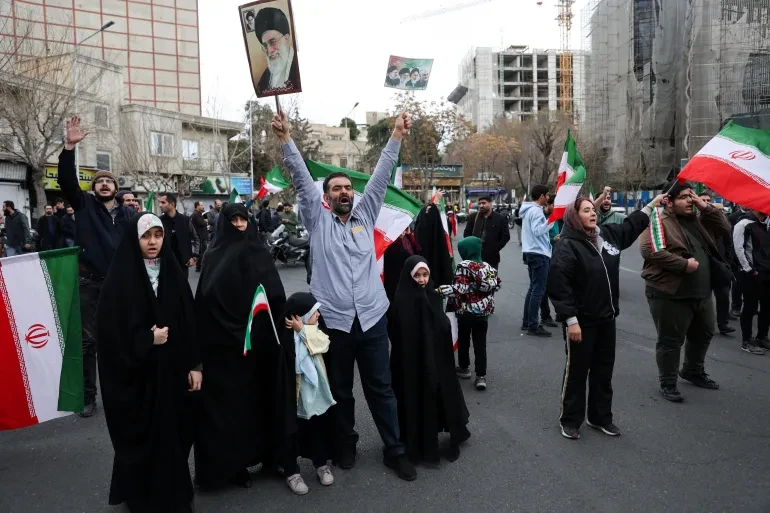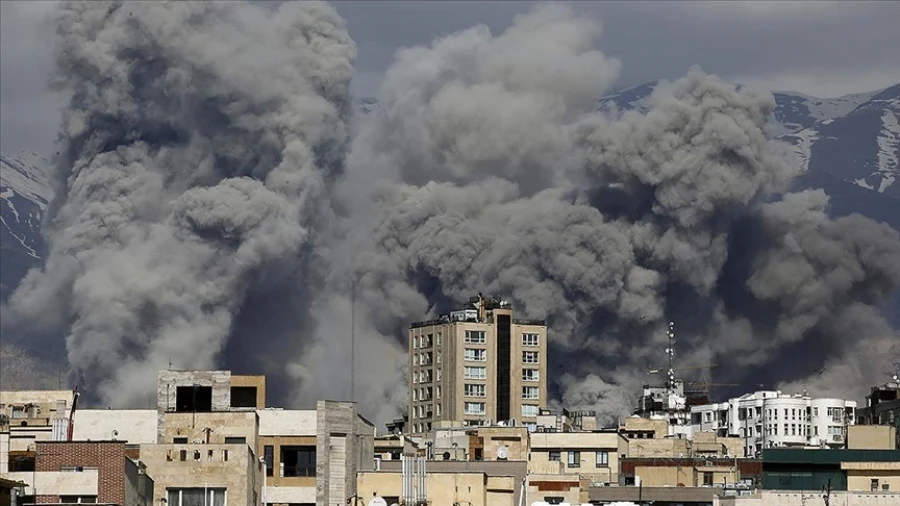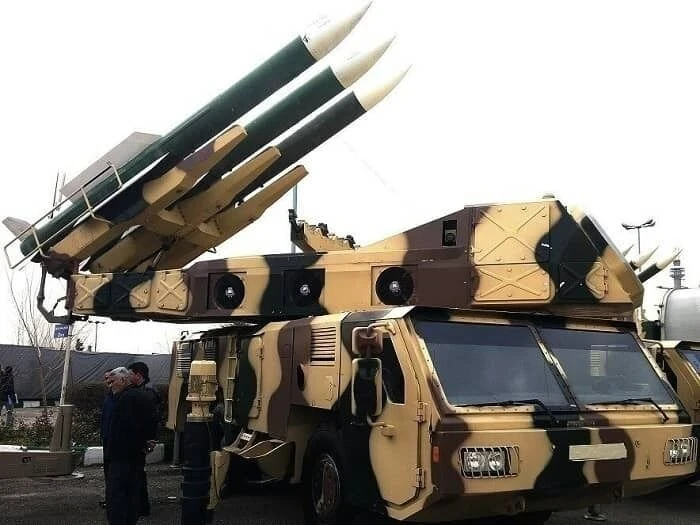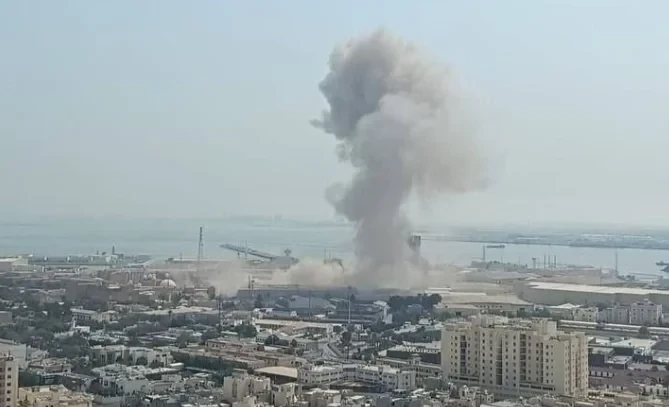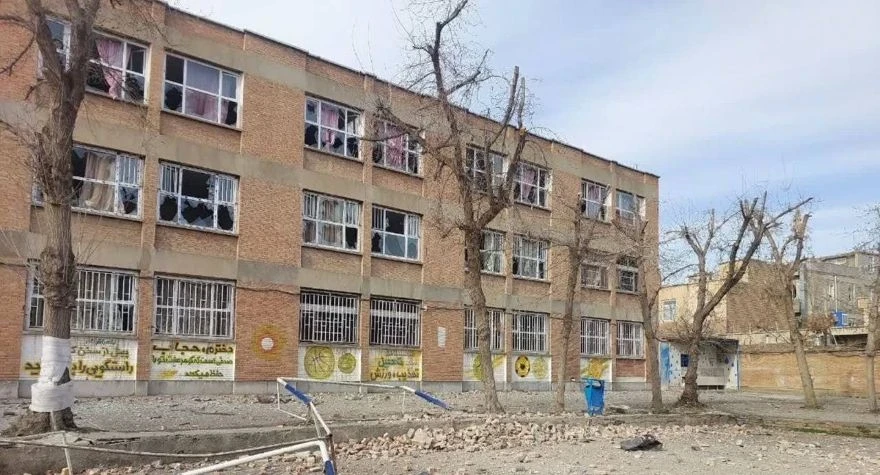
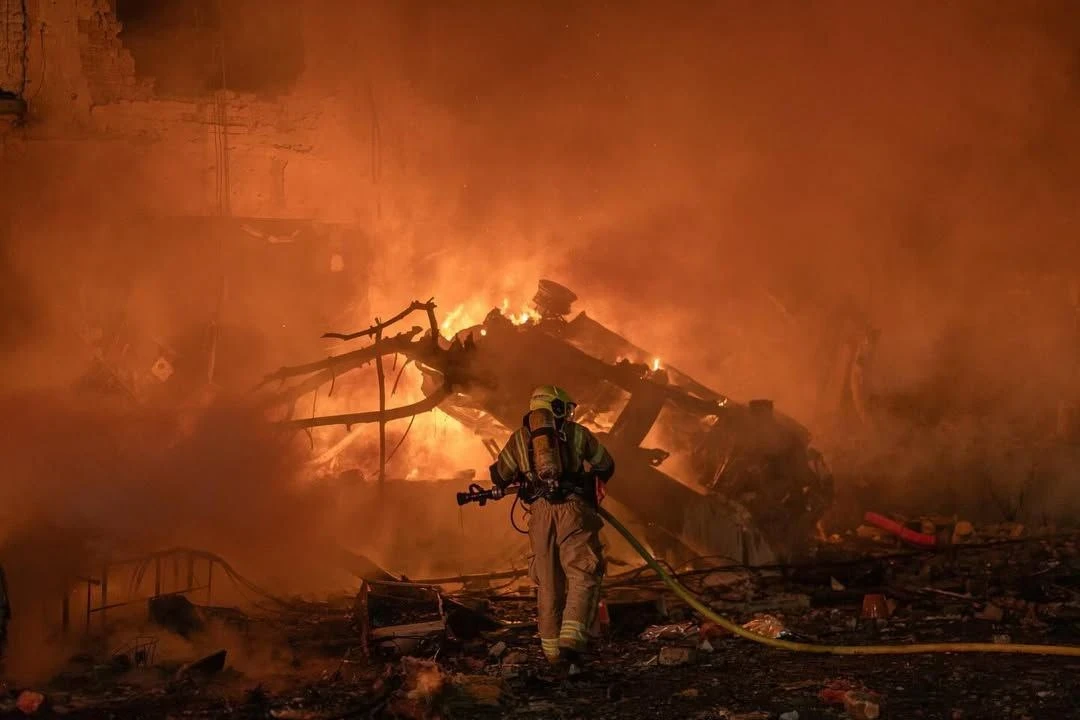
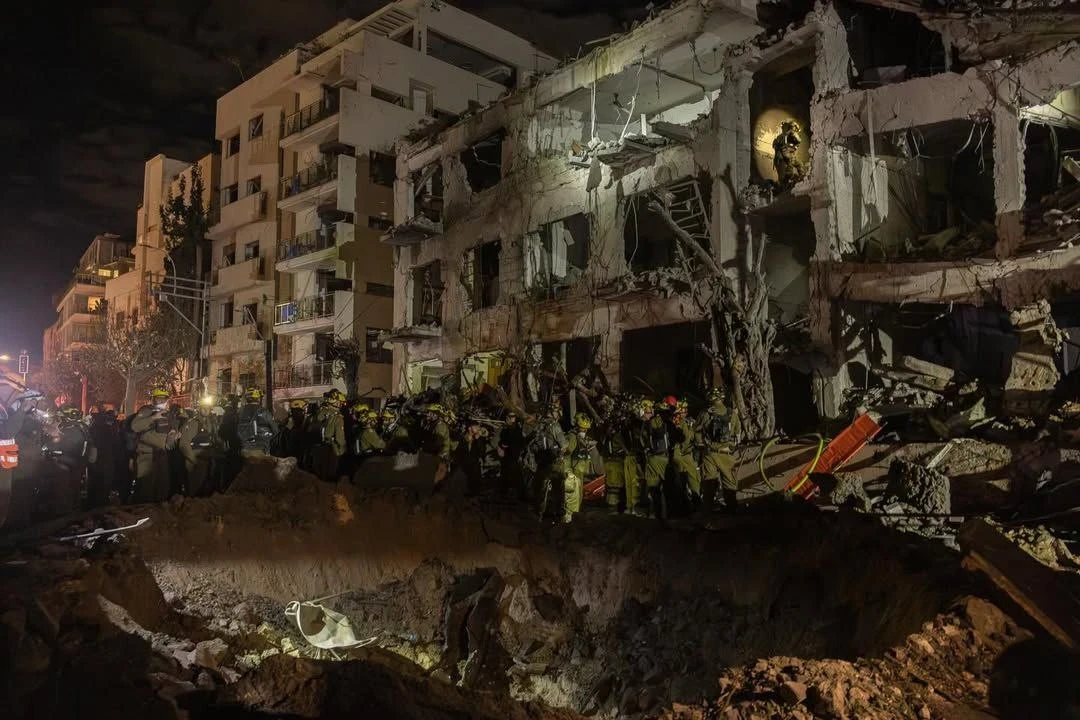
Iran reports that in the last 24 hours, 40 combat missiles have been launched targeting facilities in the region, according to the INA agency. In response, the armies of Israel and the United States have carried out new strikes on Tehran, resulting in damage to the airport and command complexes of the security forces.
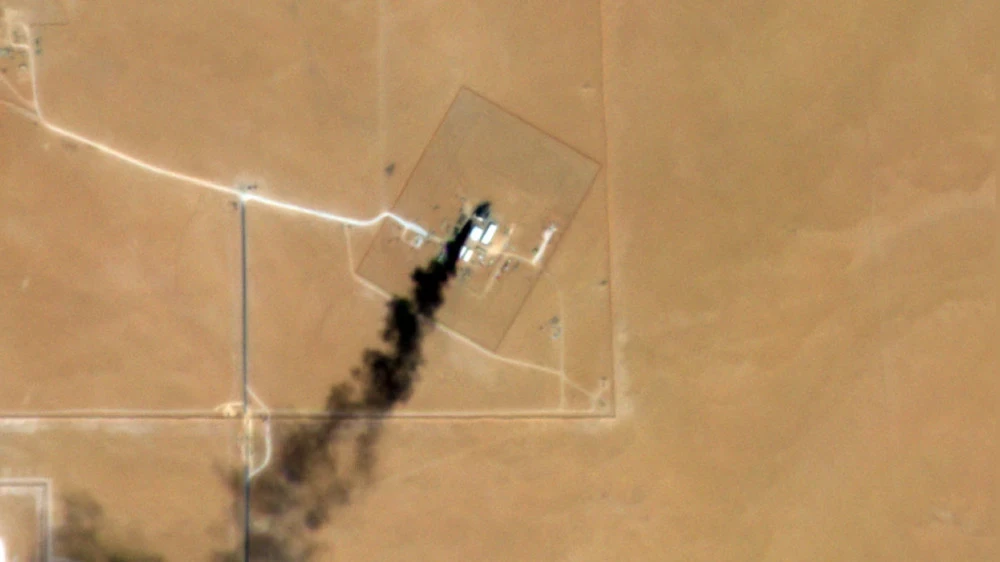
A massive power outage occurred across Iraq, likely linked to a sudden halt in gas supplies to a power plant in Basra province, although the cause remains unknown.
Tehran continues to attack Israeli and American facilities in Kuwait and Bahrain using missiles and drones.
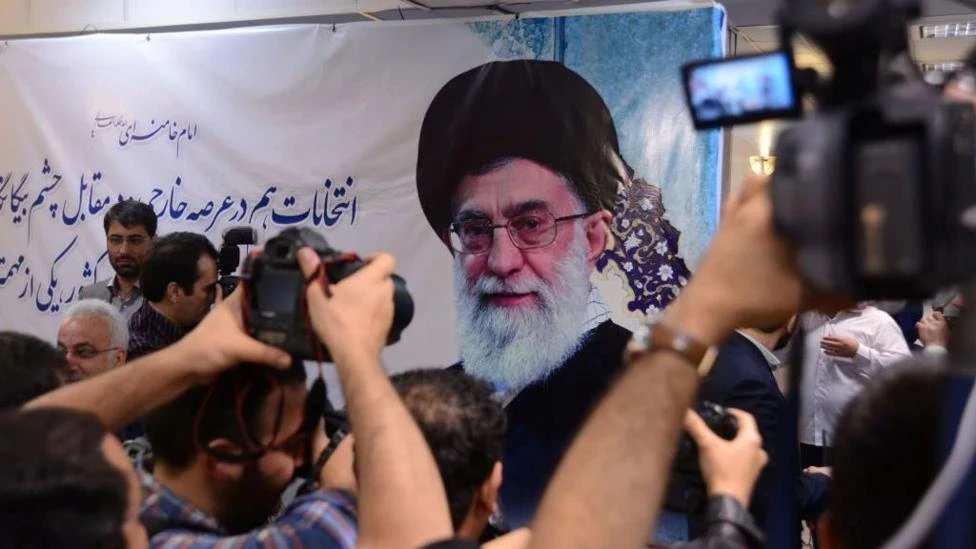
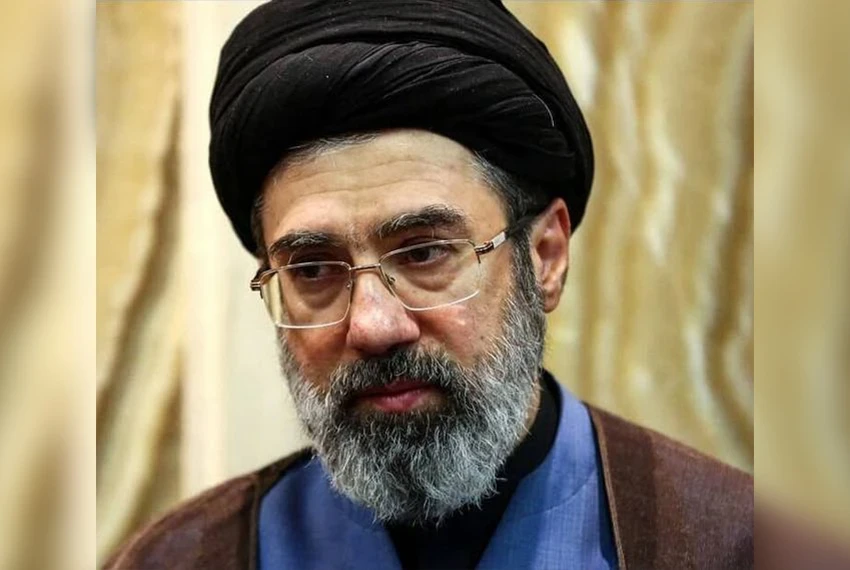
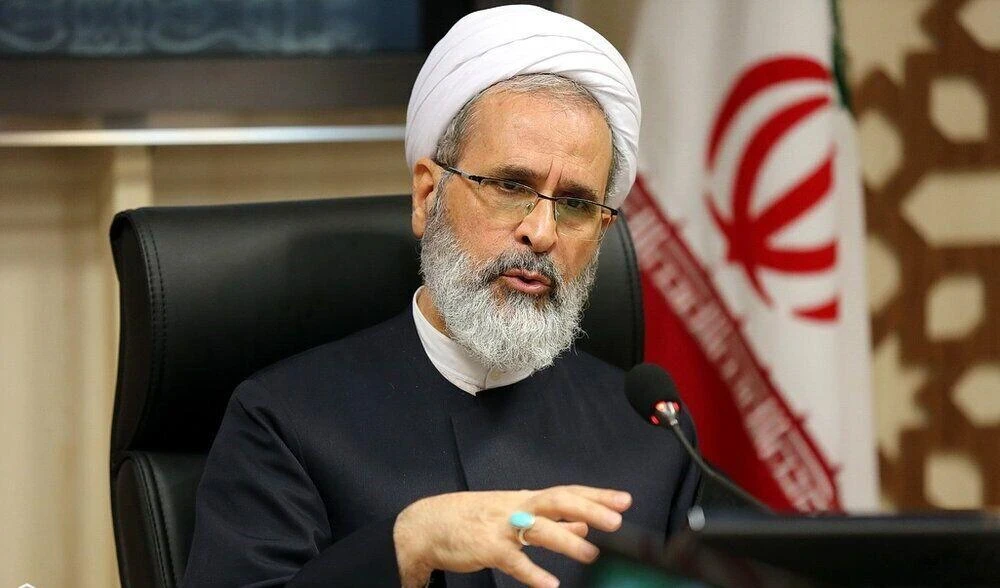
Following the appointment of Ali Khamenei's son as the new Supreme Leader, Israel announced its intention to "destroy any new leader of the Islamic Republic of Iran".
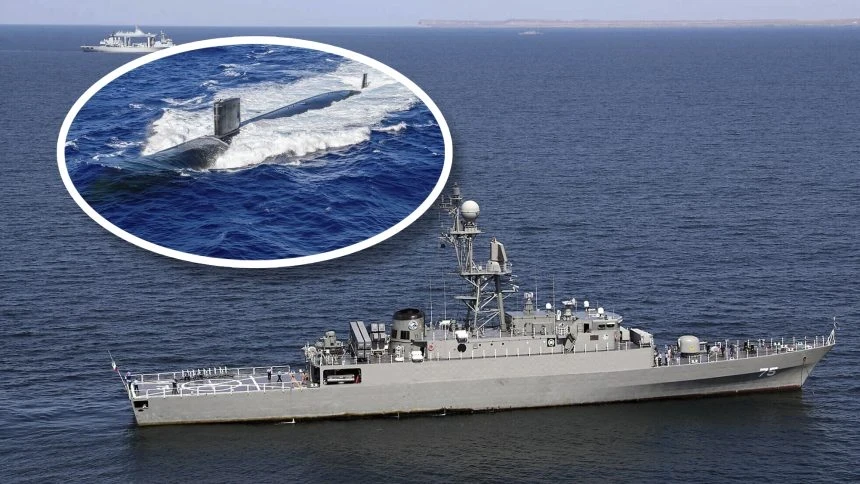
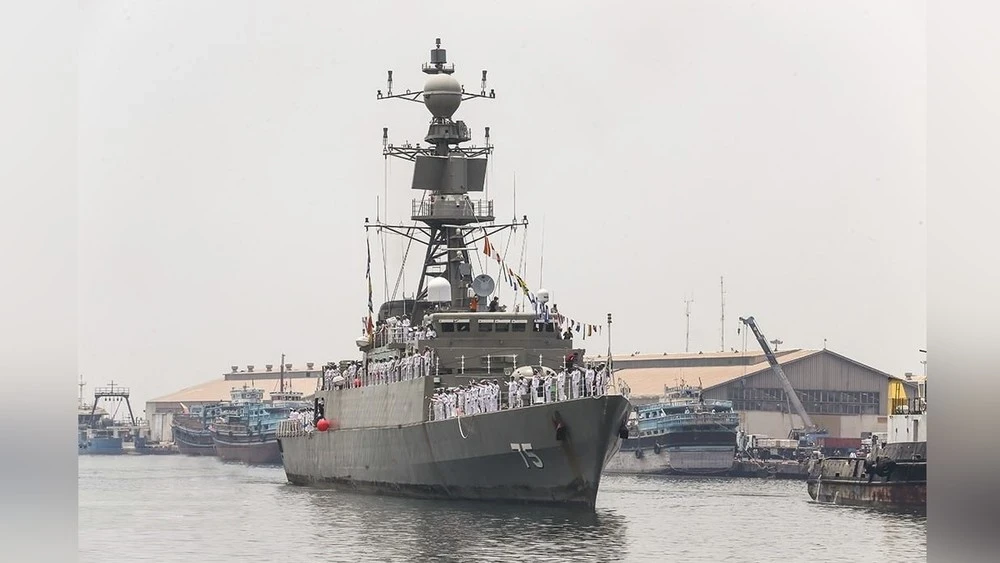
Off the coast of Sri Lanka, an American submarine attacked and destroyed an Iranian Navy ship, resulting in the deaths of more than 80 people.
According to UN data, from February 28 to March 1, about 100,000 people left Tehran, citing information from Iranian authorities.
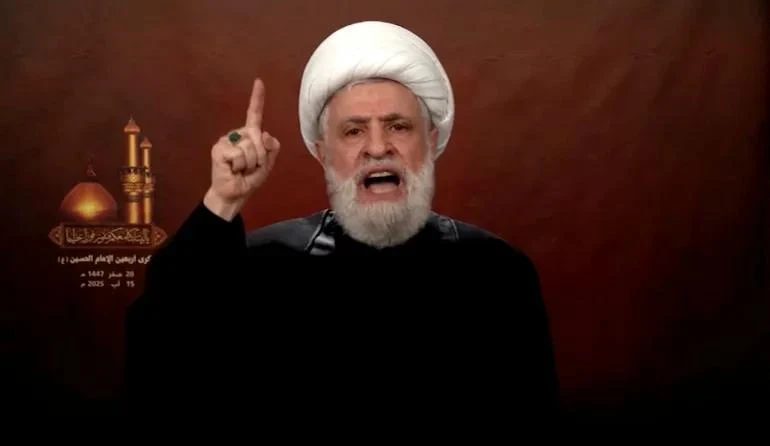
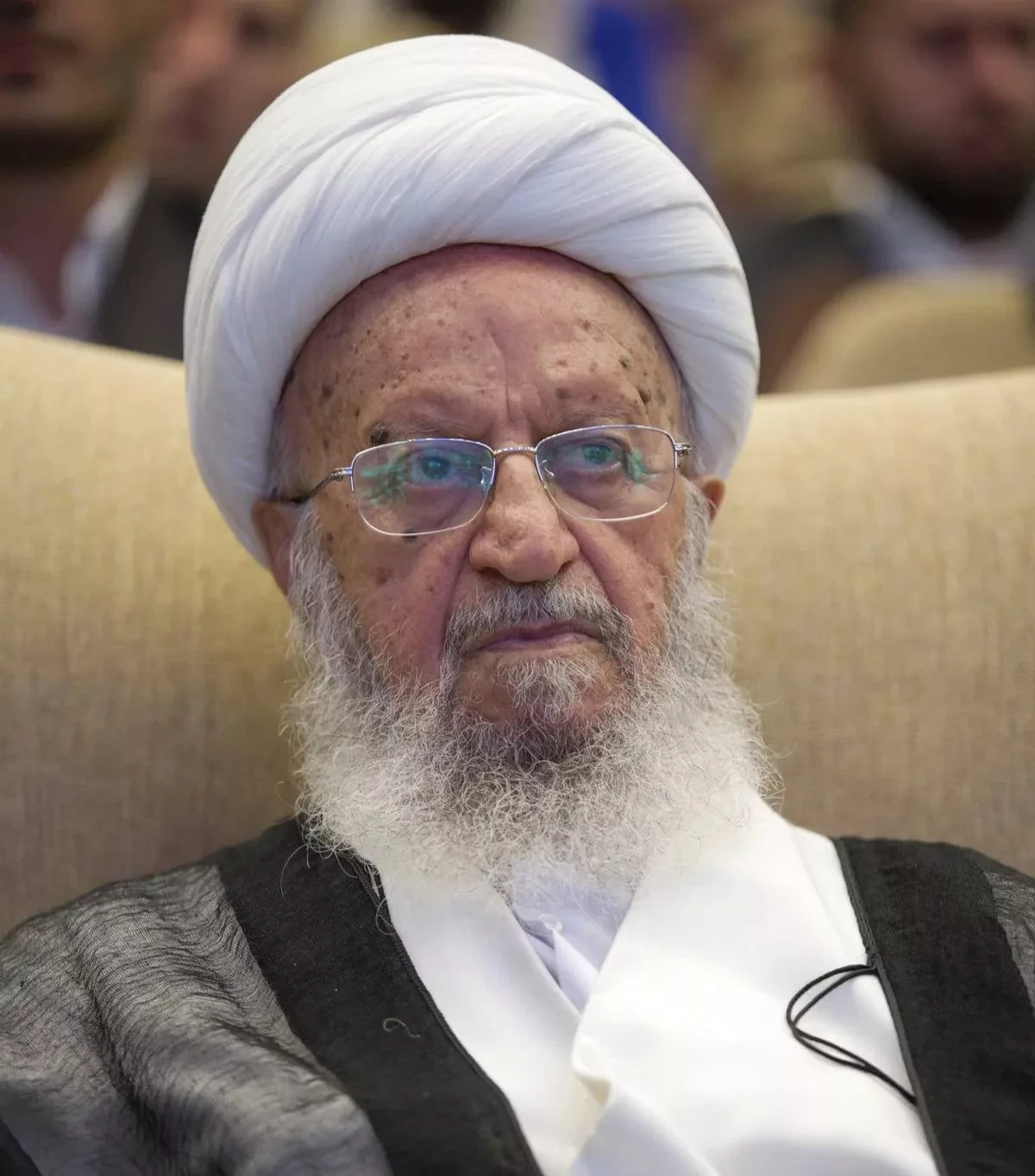
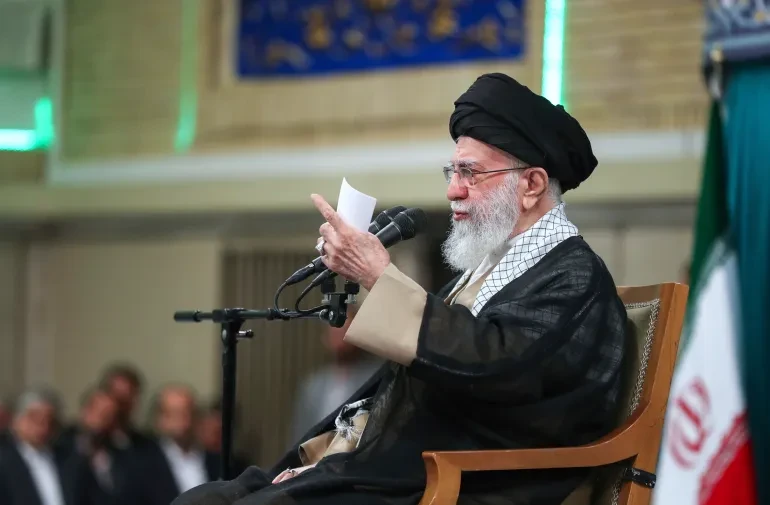
Naem Qassem, the leader of Hezbollah, stated that "the resumption of missile attacks on Israel is a response to 15 months of violations, including the attack on the great religious leader Ayatollah Khamenei".

Kurdish forces in Iraq have begun an offensive against Iran, as reported by Israeli journalist Yulia Pobegailova.
However, the Democratic Party of Kurdistan emphasized that they are not participating in this offensive. "Kurdistan is not part of this war, but the situation is indeed complicated," party representatives noted.
The authorities of Iraqi Kurdistan also denied rumors of an offensive, stating: "No Iraqi Kurd has crossed the border; such reports are false."
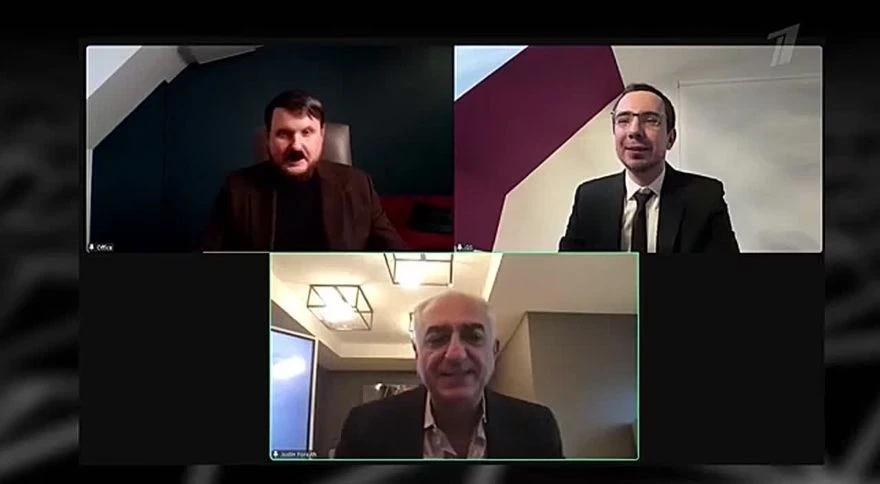
Reza Pahlavi once again expressed his vision for the future: "When the regime finally collapses, we are ready to fill the resulting vacuum." According to the prince, his rise to power will be positively received in Israel: "I have communicated with Israeli officials, including Netanyahu. We have very good relations."
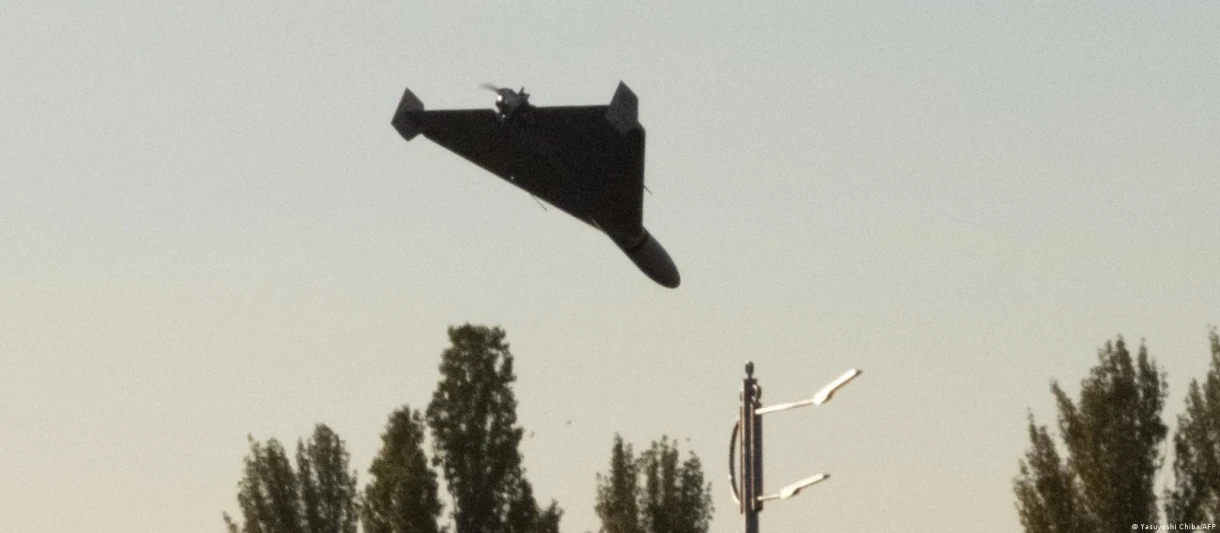
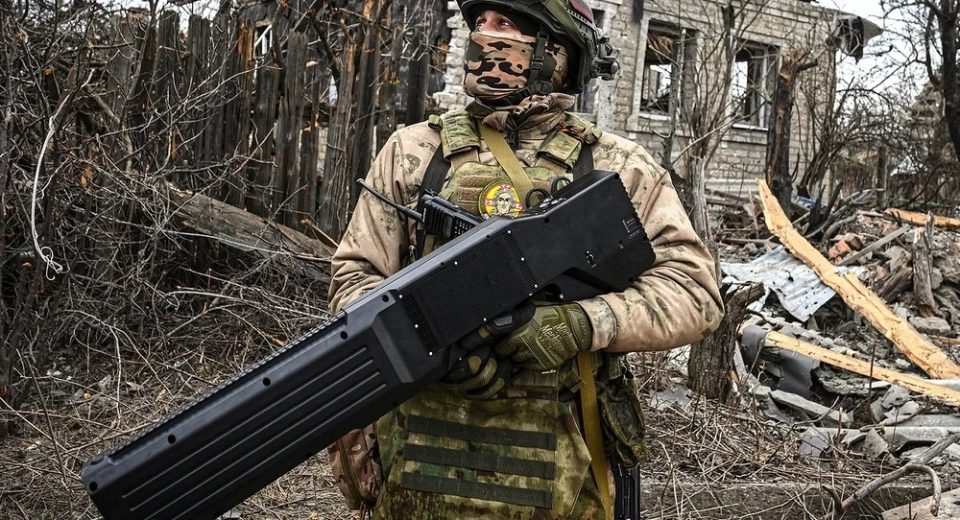
The New York Times reports that Iran is depleting the missile stocks of the United States and its allies using cheap drones.
It turns out that intercepting a drone is more expensive than launching it, raising concerns that Washington and its partners may run out of interceptor missiles. Experts draw parallels with the situation in Ukraine, where allies were unable to provide sufficient air defense resources.
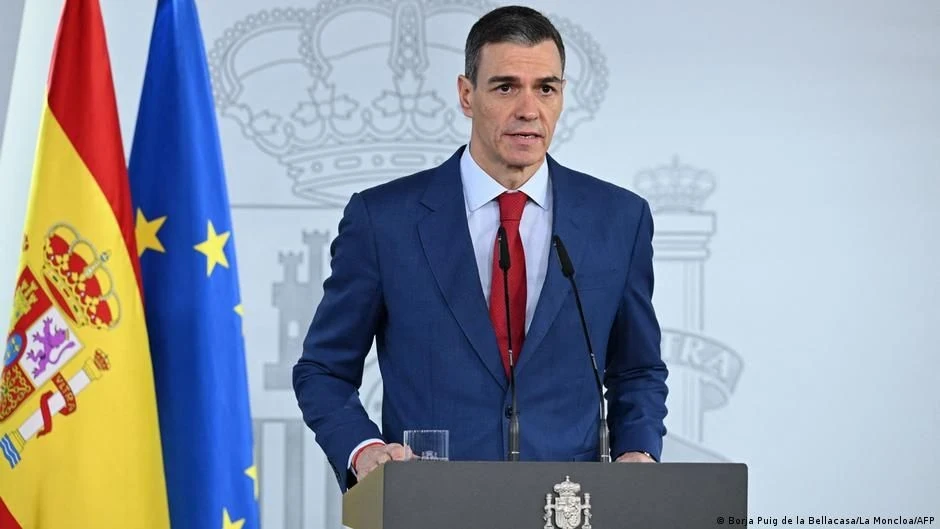
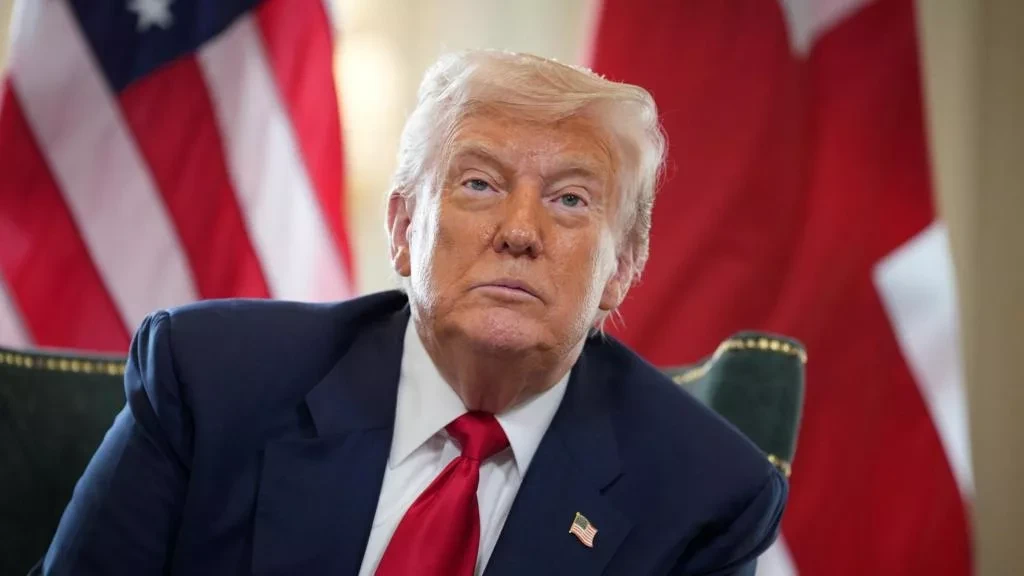
The Prime Minister of Spain expressed the opinion that Donald Trump's policy in the Middle East could lead to a global catastrophe.
Amid threats from Trump to sever trade relations with Madrid, Pedro Sanchez described the actions of the United States in the Middle East as too risky.
"Will this contribute to the overthrow of the terrible regime of the ayatollahs in Iran or to the stabilization of the region? We know only one thing: it will not lead to a more just international order. It will not improve wage levels, services, or the state of the environment," he noted at a press conference.