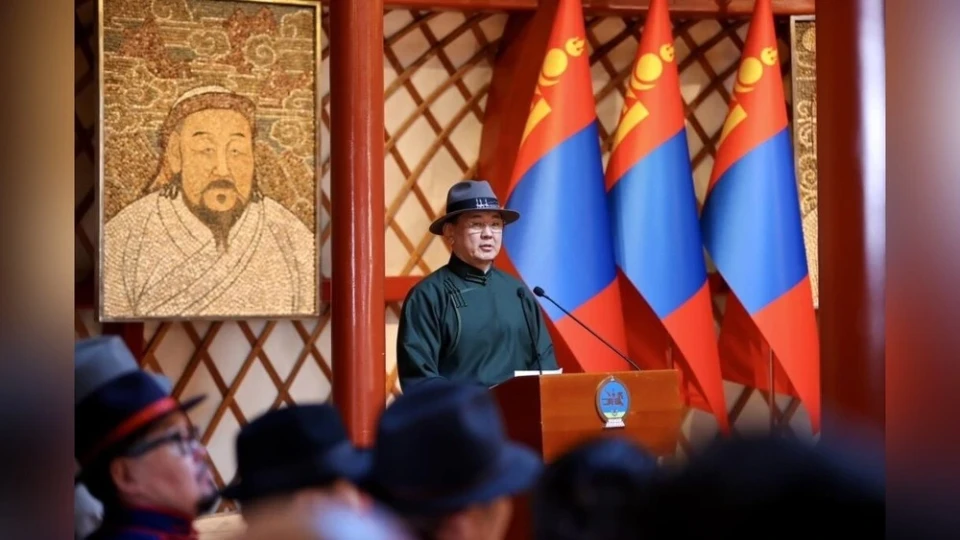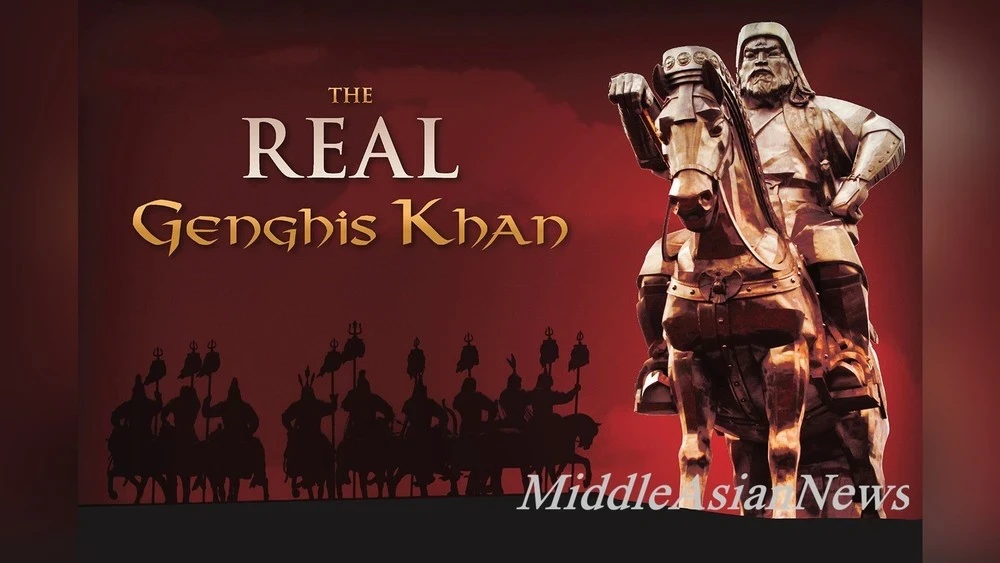
As reported by MiddleAsianNews, on January 28, 2026, the grand opening of the exhibition 'The Real Genghis Khan' took place at the Mulva Cultural Center in Des Peres, Wisconsin.
Attending the event were Ambassador-Counselor Battushig Zanabazar, Mayor of Des Peres James Boyd, Director of the Cultural Center Marv Wall, and over 450 guests, including representatives from government, arts, and culture, as well as museum members.
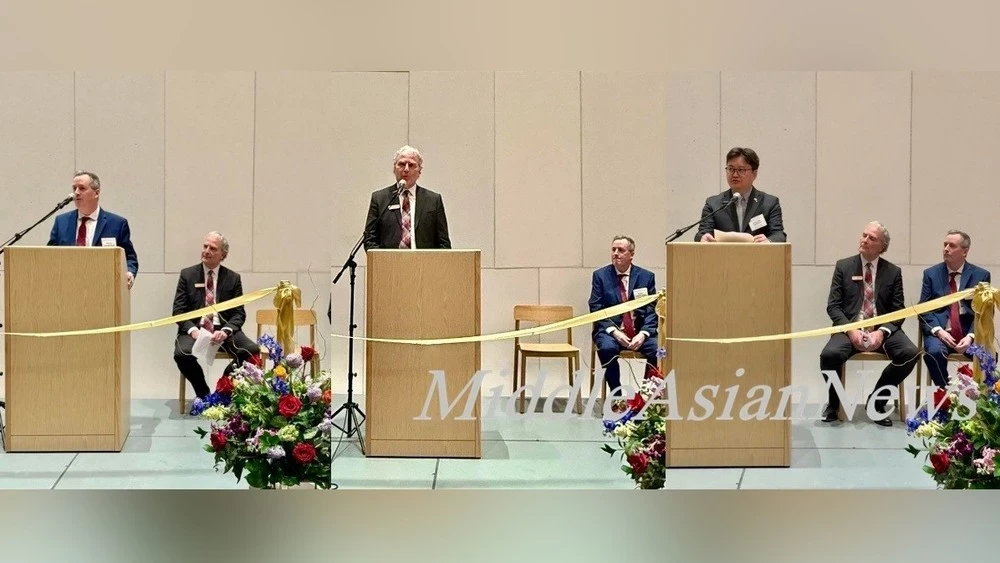
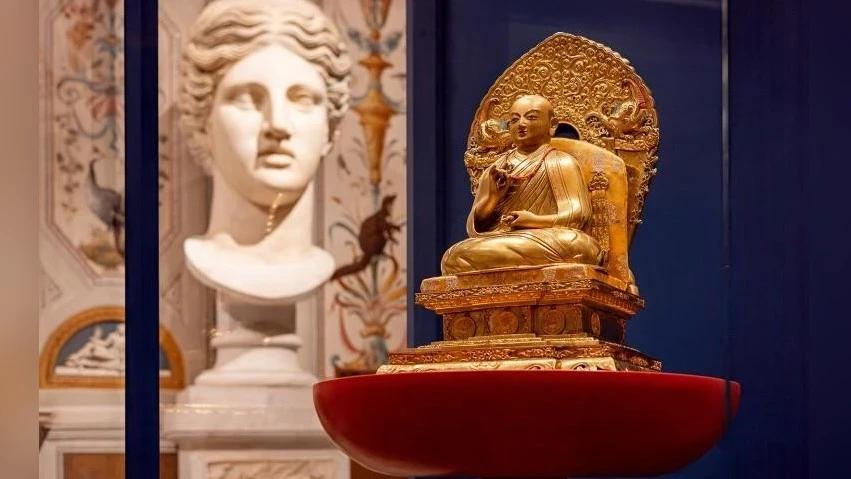
The exhibition explores the life of Genghis Khan and his influence on the creation of the Great Mongol Empire, showcasing artifacts from the 12th century displayed worldwide. This makes it unique, as it provides visitors with an in-depth introduction to the nomadic lifestyle, cultural traditions, and historical heritage of the Mongols.
Previously, the exhibition was successfully held in Idaho in 2022, where it received positive feedback, and is now reopened in Des Peres.
The 'The Real Genghis Khan' exhibition will run from January 31 to May 3, 2026.
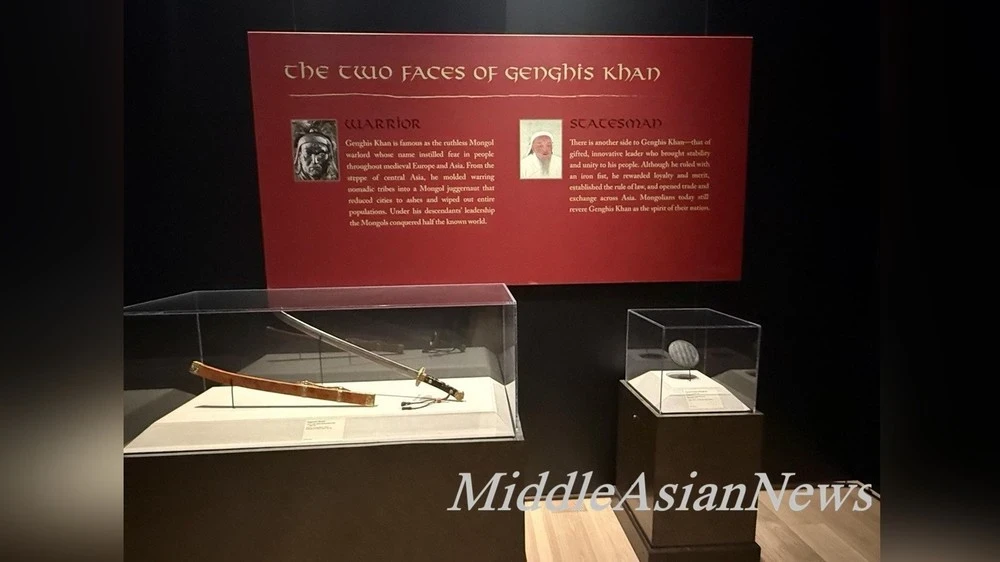
The exhibition offers:
The most extensive collection of artifacts related to the era of Genghis Khan
Interactive elements allowing visitors to explore the lives of people under Mongol rule
Hands-on activities with traditional Mongolian costumes
Demonstrations of archery and catapult
Mongolian children's games
An introduction to the traditional Mongolian yurt
Performances by Mongolian musicians and opportunities to interact with the artists (details below)
An exciting tour of the palace of Shandu Kublai Khan
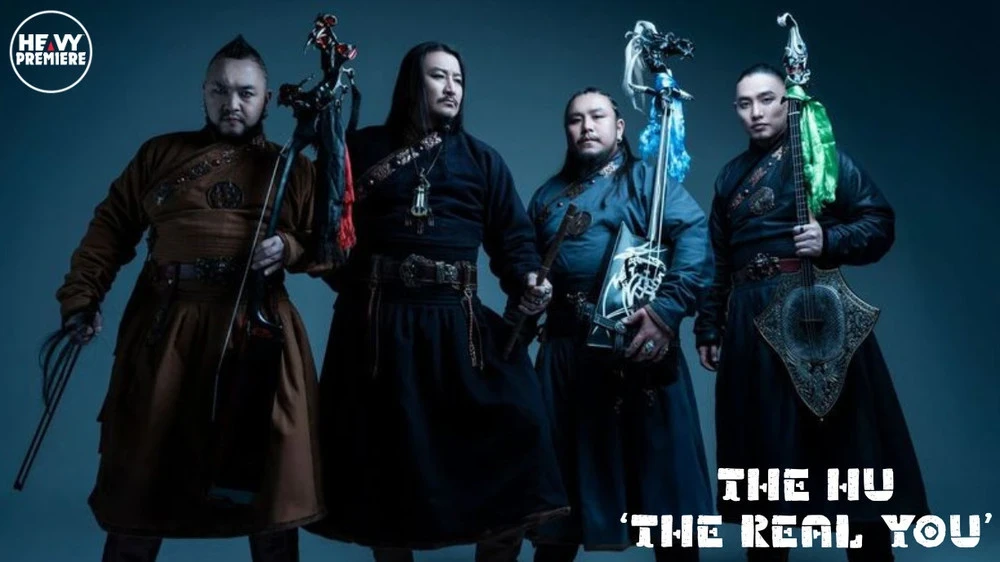
“Visitors to the 'The Real Genghis Khan' exhibition will be able to enjoy live performances by Mongolian artists, each lasting about 15 minutes, and immerse themselves in the rich traditions of Mongolian music and culture.
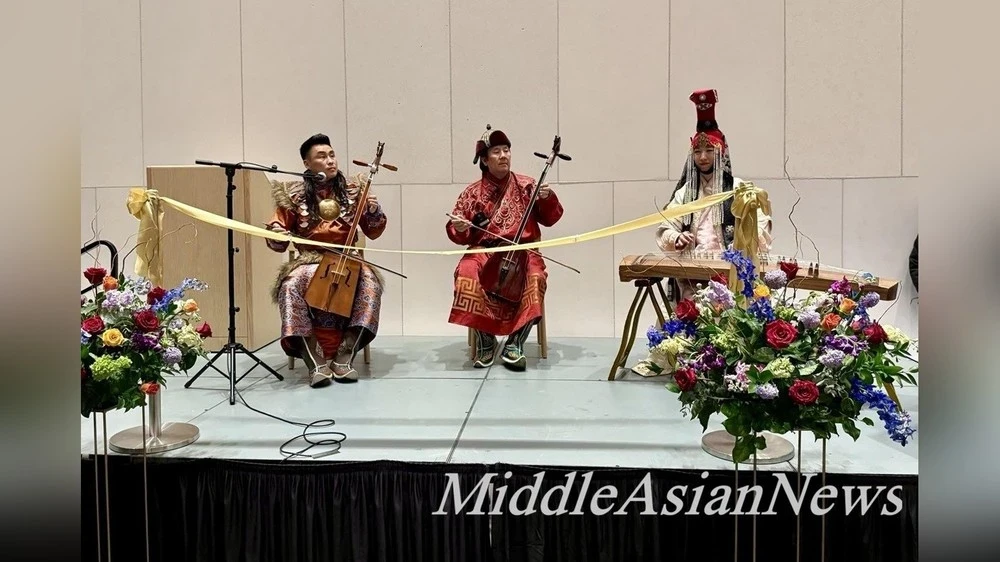
The program includes the Mongolian masked dance tsam, traditional melodies on authentic instruments such as the morin khuur, ever bure, yatga, and khuuchir, as well as throat singing techniques.
After each performance, the artists will be available to interact with visitors, answer questions, and share information about costumes, instruments, and cultural traditions,” reports the Malva Cultural Center.