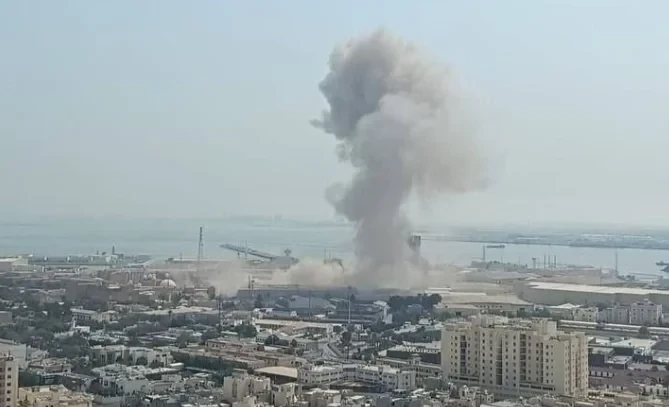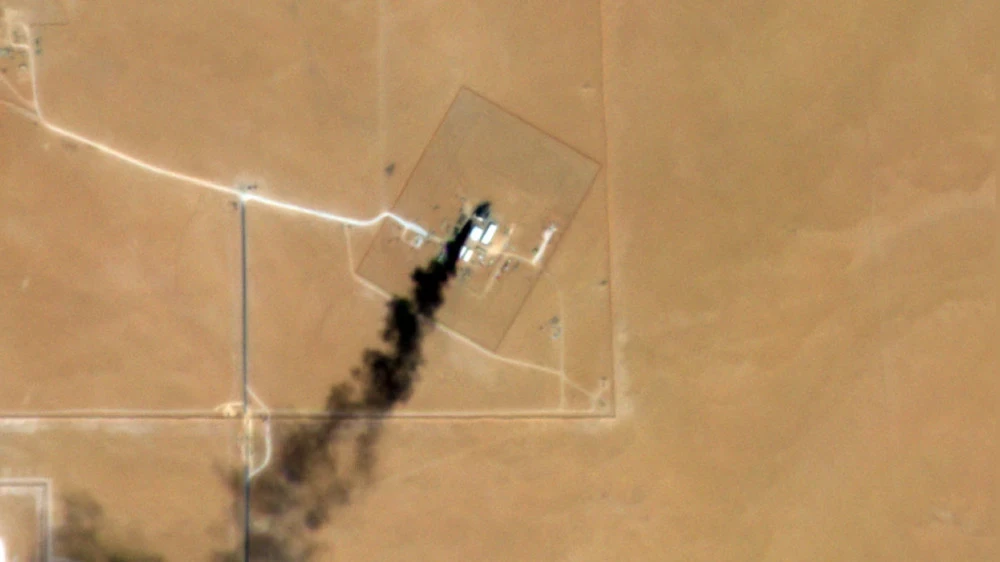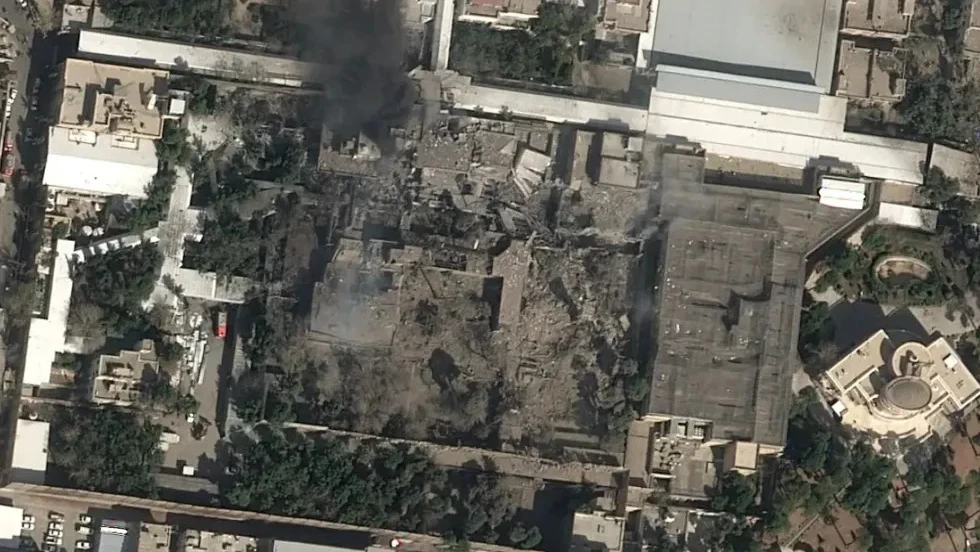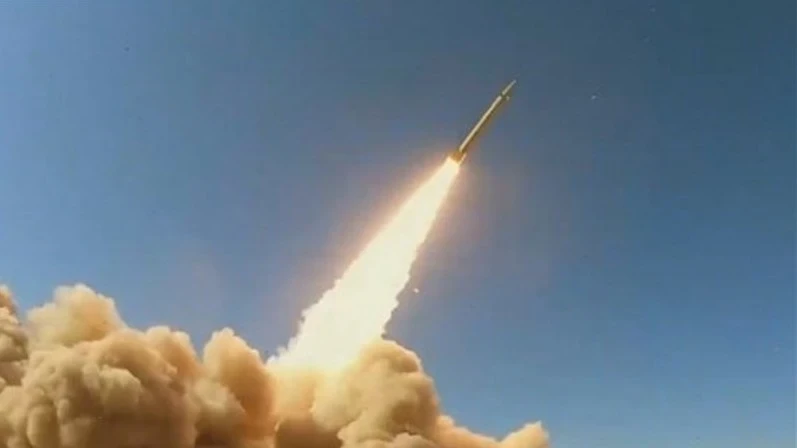
On the night of March 11, the Islamic Revolutionary Guard Corps (IRGC) announced the execution of the "most powerful" strike against US and Israeli targets since the beginning of military operations, according to the Iranian state company IRIB.
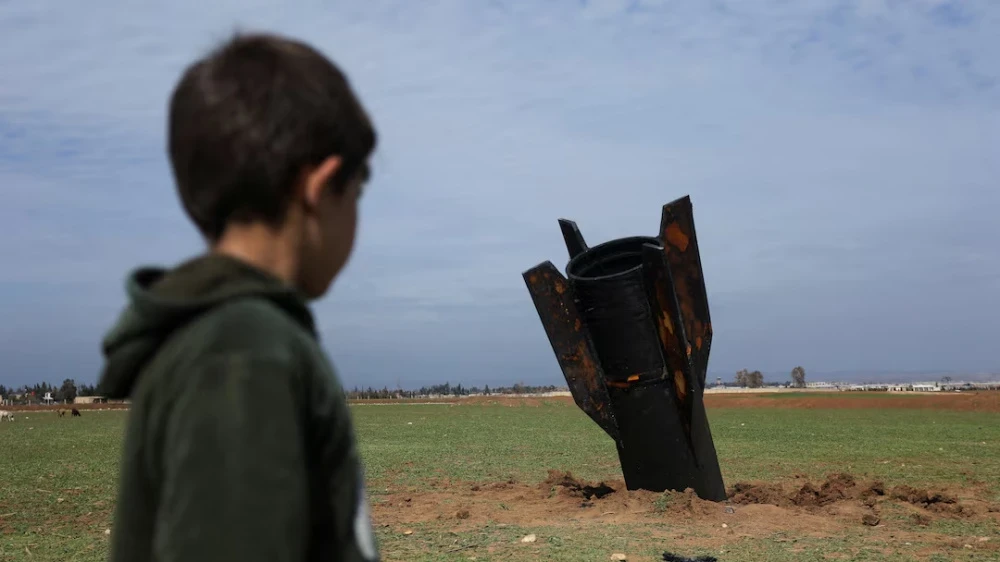
According to the IRGC, the attacks lasted more than three hours and included the launch of missiles, including the "Khoramshahr," at enemy bases. Among the affected sites was the repeatedly attacked satellite communication center in Khaala on the southern side of Tel Aviv, as well as military installations in Bir Yakub, West Jerusalem, and Haifa. Additionally, the targets of the attacks included American bases in Erbil, Iraq, and the headquarters of the Fifth Fleet in Bahrain.
The "Khoramshahr" missile is an Iranian medium-range ballistic missile, possessing one of the most powerful arsenals in the country. Its range reaches 2000 km, and it can carry a warhead weighing between 1.5 to 2 tons.
The IRGC emphasized that it would continue to conduct targeted and powerful attacks until it achieves the complete surrender of the enemy. The statement read: "We will end the war when the shadow of war is lifted from our country."
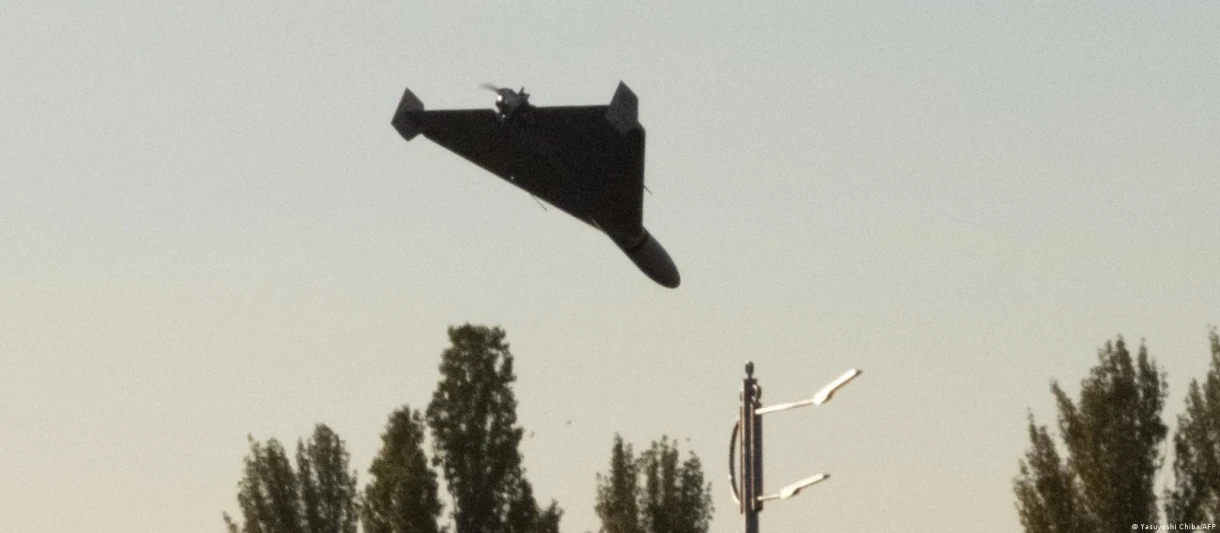
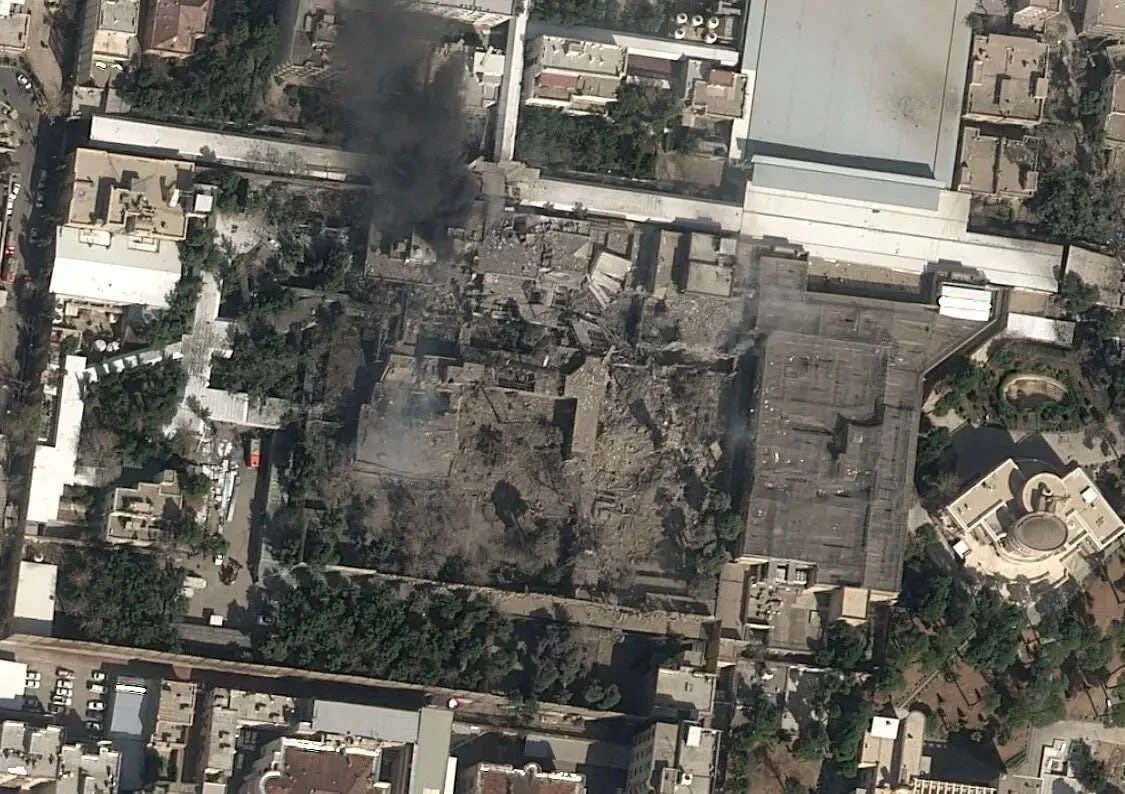
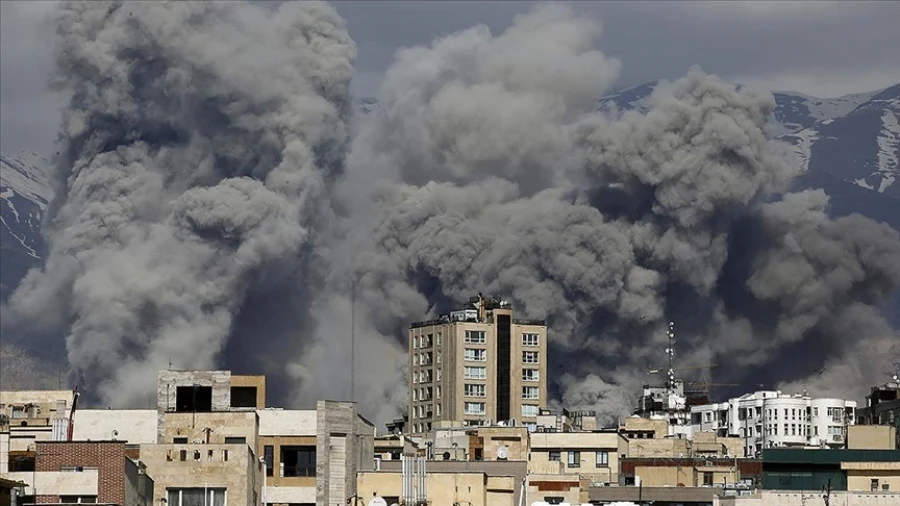
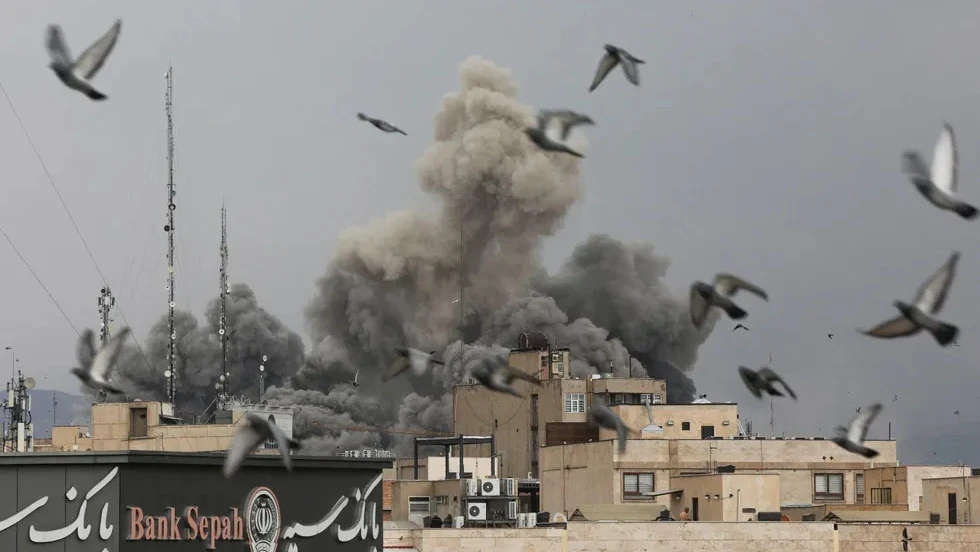
According to Al Jazeera, Iraq and Bahrain were also among Iran's targets. The UAE Ministry of Defense reported intercepting Iranian missiles and drones over its territory that night. Saudi Arabia also confirmed the interception of at least five drones on the same night that Iran carried out its strikes. Al Jazeera also mentioned loud explosions in Tehran that occurred following Israeli airstrikes.
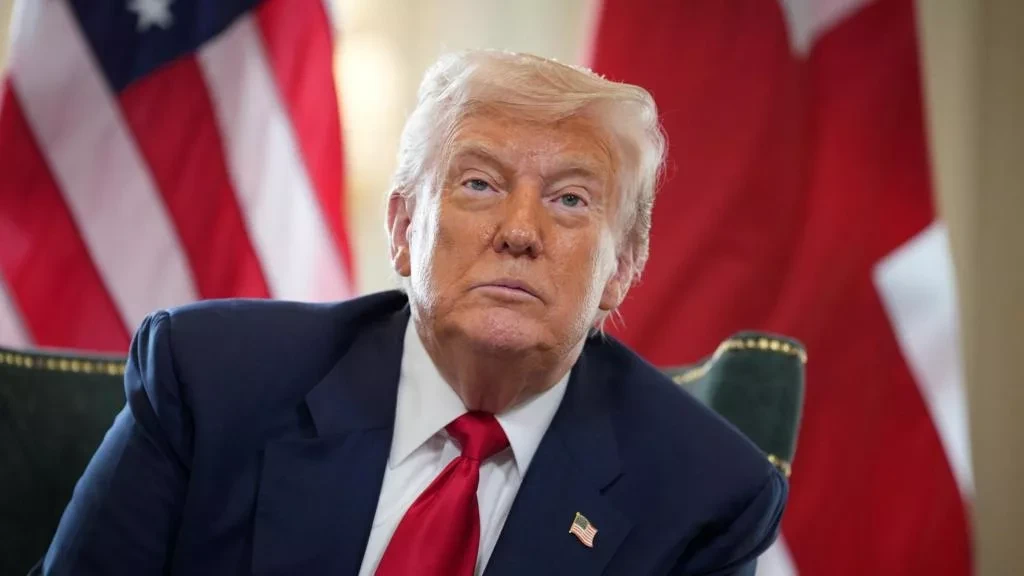
In the lead-up to this incident, US Secretary of Defense Pete Hegset stated that on March 10, American forces would deliver the "most intense strike" since the beginning of operations against Iran. At a press conference in Miami, US President Donald Trump threatened Tehran with strikes 20 times more powerful if Iran attempted to block energy supplies through the Strait of Hormuz.
However, as reported by Al Jazeera, the strikes carried out by the US on March 10 did not meet Hegset's expectations. Despite the fact that the US also conducted strikes on Tehran on the night of March 11, their number was lower than ever before.
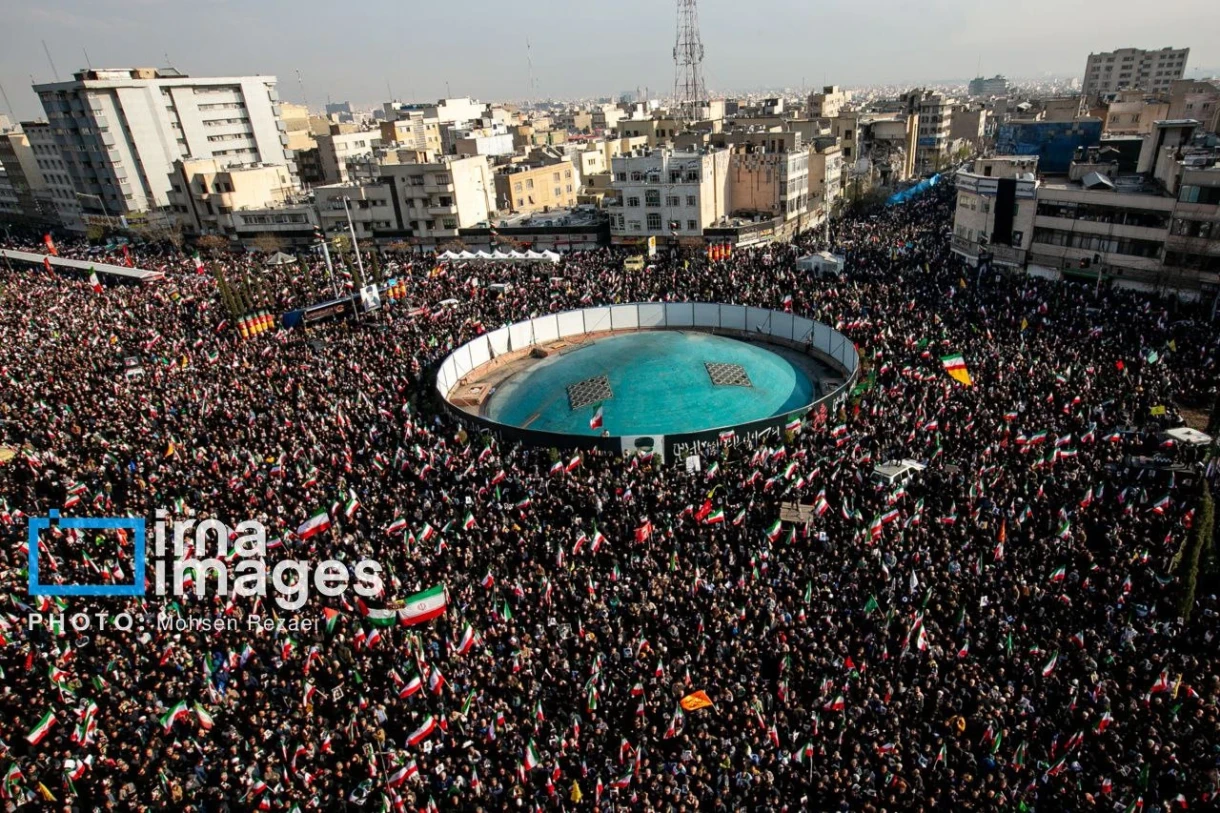
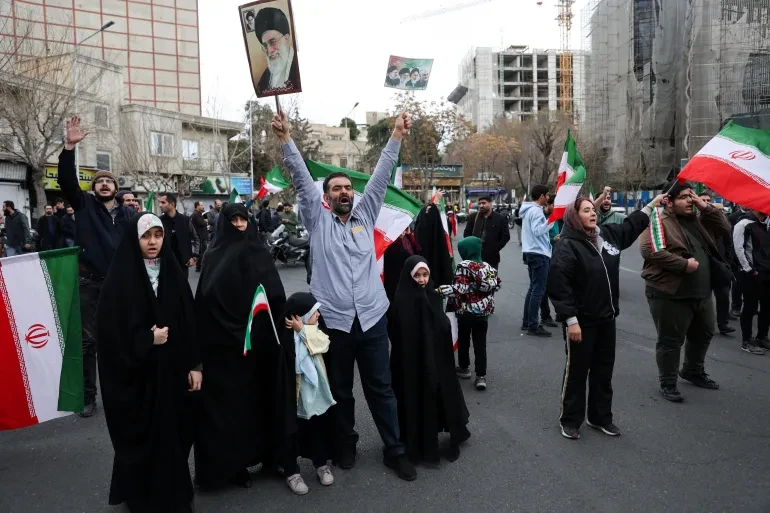
Military actions by the US and Israel against Iran began in late February. In the early days of the conflict, Iran's Supreme Leader Ali Khamenei was killed, and his son Mojtaba took his place. Following this, Iran promised to take revenge on its adversaries, stating that it was ready to wage war for as long as necessary. The IRGC announced the beginning of the most powerful offensive in the country's history after the death of Khamenei Sr.