She noted that by the end of 2025, there was a trend towards a decrease in morbidity: in October, only 1 case was registered, in November — 2, and in December — 7. However, January brought a sharp increase to 22 cases.
According to the doctor, 92% of those infected had not been vaccinated or had not received their vaccination on time. The remaining 8% were vaccinated, but among them, 6% had only received the first dose. The immunity that develops after the first vaccination provides protection at a level of 90% for children under one year old; however, to achieve higher protection (95-98%) at the age of two, a second vaccination is necessary. The remaining 2% of those infected, who were vaccinated with one dose, were unable to form a sufficient immune response.
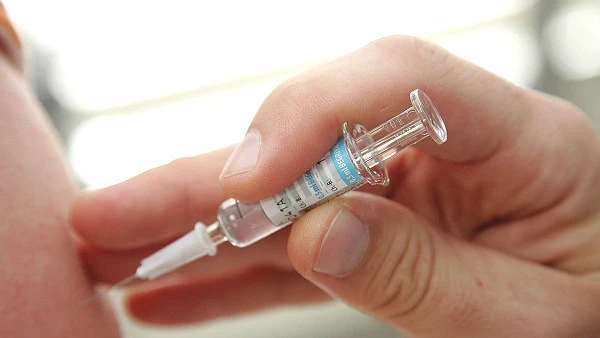
In 2025, 90% of children in Kyrgyzstan were vaccinated against measles, rubella, and mumps. For complete protection against measles, the vaccination coverage must reach at least 95%, Dadanova emphasized. Over the past three years, since 2023, more than 1 million children aged 9 months to 7 years have received vaccinations. Nevertheless, there are those who refuse vaccinations. The measles virus is extremely contagious: one infected person can infect 10 to 15 others, especially among the unvaccinated.
The doctor also noted that adults can contract measles as well. In 2025, among those infected, 4% were in the age group of 20-30 years, and 5% were over 30 years old. If an adult is unsure whether they have been vaccinated, it is recommended that they get vaccinated, as it will not cause harm: if vaccination has already been done, immunity will be strengthened, and if not, it will be formed.
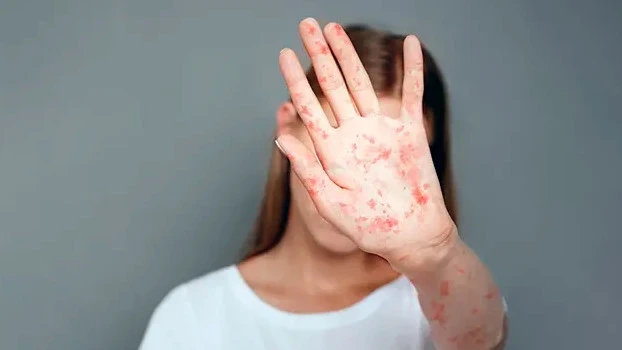
The symptoms of measles initially resemble those of a cold: high fever, cough, sneezing, and general weakness. On the fourth day, a rash appears, starting on the face and neck and then descending down the body. If adequate treatment is not provided, measles can lead to serious complications such as pneumonia, meningitis, otitis, diarrhea, and even result in death. There is no specific medication for measles; treatment focuses on alleviating symptoms and strengthening the body with vitamins.
“Some parents refuse vaccinations, claiming that they are responsible for their children's health if they become ill. However, they do not take into account that an infected child can transmit the virus to others, including infants and children with contraindications to vaccination, who may experience complications. We must vaccinate to protect society,” Dadanova concluded.