Every year, discussions about vaccinating girls against the human papillomavirus (HPV) arise in parents' WhatsApp groups. When teachers announce upcoming vaccinations, the chats fill with excitement and concerns. Many mothers view this vaccine with distrust, sometimes considering it a "Western conspiracy."
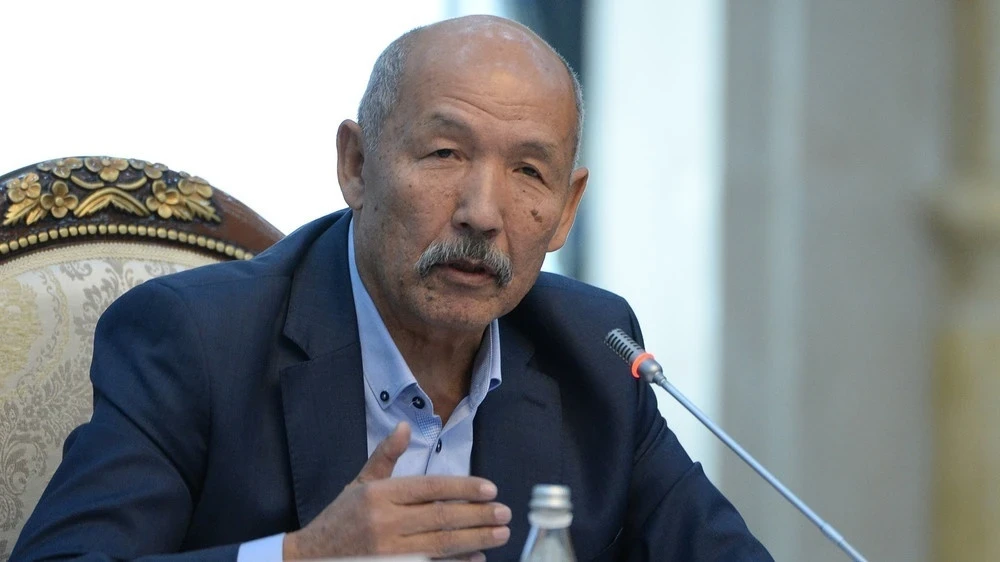
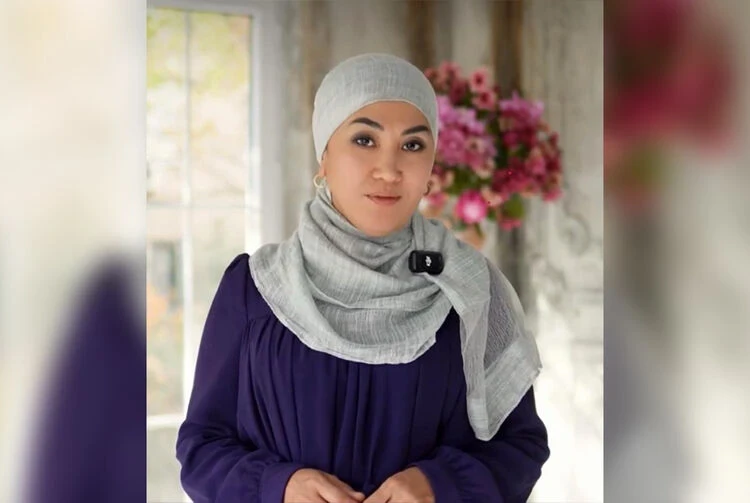
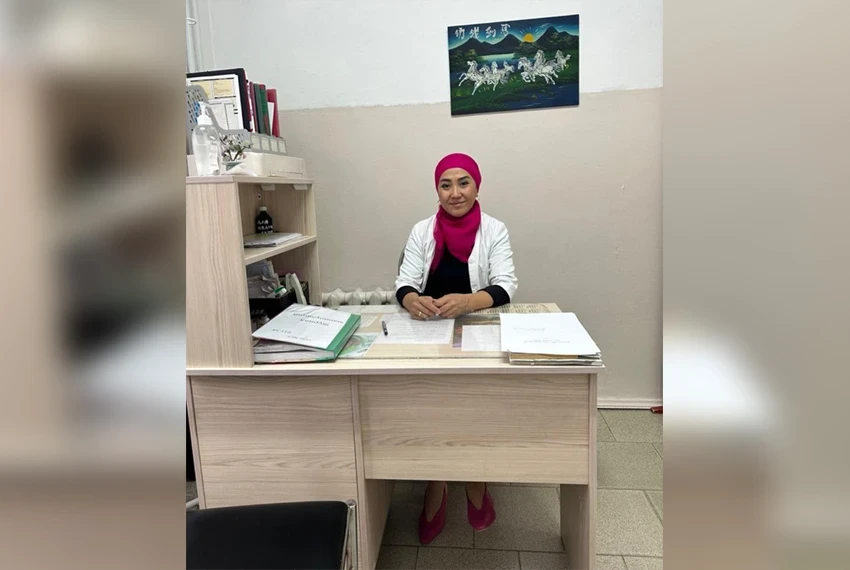
We turned to gynecologist and endocrinologist Cholpon Abdilova to find out how justified the mothers' fears are.
— What is the human papillomavirus and why is it dangerous?
— HPV is transmitted through contact and sexual relations. According to the World Health Organization, most people encounter this virus at some point in their lives. In 90% of cases, the body manages to cope with it on its own within a year or two. However, in the remaining cases, cellular changes can occur, which may lead to dysplasia or cervical cancer. The most alarming aspect is that the disease often proceeds asymptomatically, and a person may be unaware of problems in their body. Some types of HPV are particularly dangerous as they are oncogenic.
— Why have vaccines against this virus been used relatively recently?
— Previously, medical professionals did not know that the virus was the primary cause of cervical cancer and other serious diseases. Research on the link between HPV and oncology was conducted in the 1980s and 1990s.
Mass vaccination began later, as only in recent years have safe and effective vaccines been developed that protect against the most dangerous types of the virus. The process of implementing the vaccine takes time for obtaining approvals, inclusion in national programs, and working with the population.
— What are the main concerns of parents: side effects or possible consequences?
— Parents' main concern is not so much with the vaccine itself, but with the topic it addresses. Many have thoughts about morality and raising teenagers. Although the vaccine acts on a different level, preventing a disease that can develop over years. Since the virus is transmitted sexually, parents fear that the vaccine may encourage early relationships. We try to explain that the vaccine provides future protection, which may activate even 20 years later.
— What arguments do parents cite when refusing vaccination?
— Most often, it is a lack of information, fears, and prejudices. Some parents state that they are generally against vaccinations, while others refuse for religious reasons. There are those who want to postpone vaccination until the age of 18, not understanding that the effectiveness of the vaccine is higher at a younger age.
— Do you think that if the vaccine were called "cervical cancer vaccine," attitudes toward it would change?
— Perhaps. The word "cancer" carries more weight than "HPV," which is associated with shame. And although the virus is the primary cause of cervical cancer, the name and associated connotations lead parents to postpone vaccination, depriving children of protection. My daughter and the daughters of my close ones are vaccinated against HPV, as we had complete information.
— How often do you encounter the consequences of HPV in your practice?
— Almost daily. For instance, during one appointment, a 35-year-old woman came to me with test results showing severe dysplasia and a high-risk oncogenic virus. In another case, a 43-year-old patient had not visited a gynecologist for several years, believing that the absence of pain meant the absence of problems. When she experienced bloody discharge, an examination revealed serious changes in the cervix. Most cancers develop without pain, so cervical cancer often goes unnoticed for a long time.
— Why is vaccination recommended at ages 9-14?
— At this age, the immune response is the strongest. The vaccine forms protection before contact with the virus, which is the main idea of prevention. Additionally, children at this age require only two doses of the vaccine with a six-month interval, while adults need three.
In many countries, HPV vaccination is included in national programs.
Australia, for example, was one of the first to begin mass vaccination of adolescents and has already registered a decrease in cases of dysplasia and precancerous changes among youth.
It is important to note that the vaccine is recommended not only for girls but also for boys, as HPV can also cause anal and penile cancer, as well as lead to the appearance of anogenital warts. Men can be both infected and carriers of the virus.
— If a girl is 16 years old and did not qualify for the free program, can she get the vaccine for a fee?
— Yes, vaccination can be done at any age, preferably before the onset of sexual activity. In private clinics, the cost starts from $250-300 per dose. There are different types of vaccines that vary in the number of virus types they protect against.
For example, "Gardasil-4" protects against the most common types of HPV — 6 and 11 (low risk, causing warts and condylomas) and 16 and 18 (high risk, causing cancer and precancerous conditions). The price is about 17,000 soms per dose.
"Gardasil-9" protects against nine types of the virus, including five additional high-oncogenic types, and costs about 25,000 soms per dose. There are also other types of HPV (1, 2, 3, 4, 5) that cause skin growths but do not lead to tumors.
— Are there any side effects of the vaccine?
— The vaccine is well-studied and recognized as safe. Side effects are most often related not to the drug itself but to the injection: pain at the injection site, redness, mild weakness, headache, and sometimes a slight increase in temperature.
— How to talk to parents who doubt the necessity of vaccination?
— It is important to provide them with reliable information. Fear is a normal reaction when it comes to a child's health. It is necessary to emphasize that HPV vaccination has nothing to do with early sexual behavior and is a preventive measure, which is currently the most effective.
It should be remembered that the vaccine has been used in many countries around the world for many years, and its safety is confirmed by large studies and the experience of millions of vaccinated adolescents.
Cholpon Abdilova
One must not forget that it is impossible to fully control the future circumstances of a child's life. Even if a parent is confident in their upbringing and values, one cannot predict what partner a person will encounter in adulthood. HPV can be transmitted even within marriage, and the presence of the virus is not related to a person's moral qualities.
When vaccination begins, many parents come to me for consultation. I ask them not to be afraid and to trust medicine, explaining that vaccination is an important investment in their daughters' health.