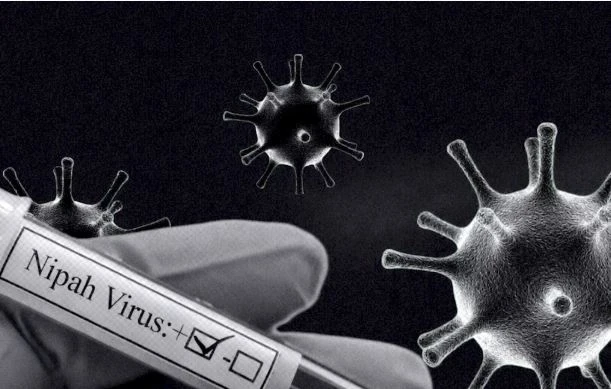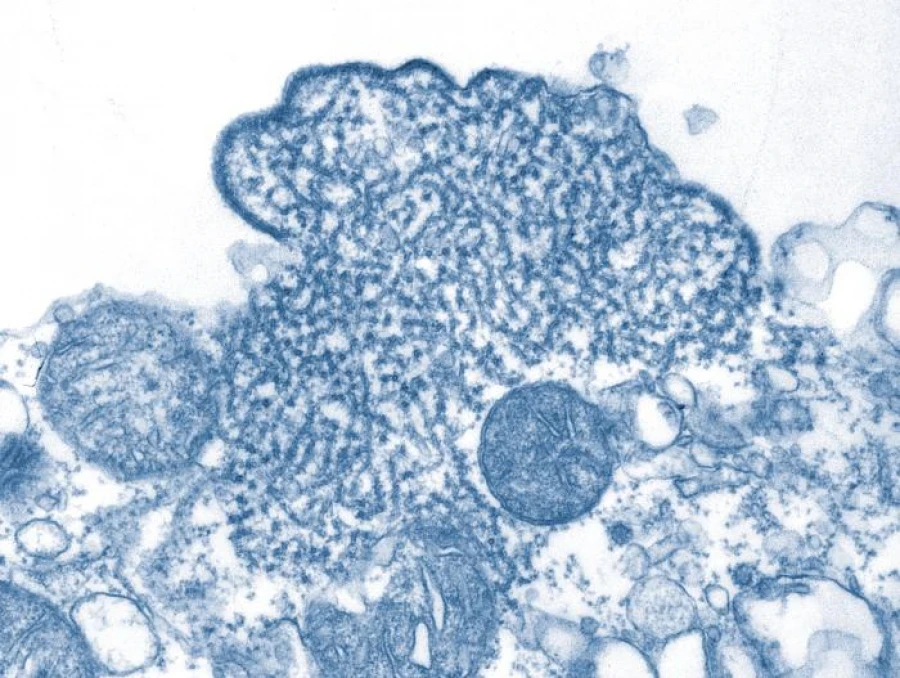
The Nipah virus, which is classified as a zoonotic infection, is transmitted from animals, such as bats, to humans. Additionally, there is a risk of transmission through contaminated food and from person to person. In recent years, India has regularly faced cases of infection with this virus, and diseases are also reported in Southeast Asian countries.
“The likelihood of this disease entering our territory is extremely low,” noted the SES.
However, citizens planning to travel to India are advised to follow preventive measures:
- maintain personal hygiene;
- wash hands thoroughly with soap;
- use antiseptics;
- wash fruits and vegetables before consumption;
- avoid drinking water from questionable sources;
- do not eat fruits that may have been damaged by bats.
If high fever, severe headache, cough, or other symptoms of illness occur, one should immediately consult a doctor.
Furthermore, the agency reported that constant sanitary and epidemiological control is being conducted at 54 border points of Uzbekistan to prevent the entry of the infection.
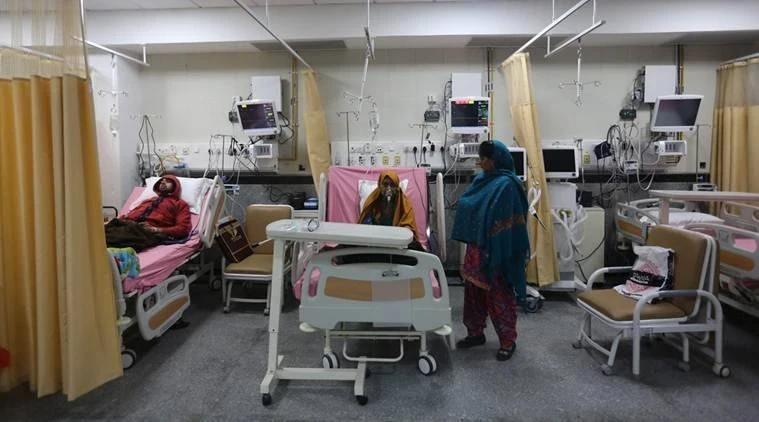
Currently, an outbreak of the Nipah virus has been recorded in India. According to NDTV, five cases of infection among medical staff have been confirmed in West Bengal, and more than 100 people have been quarantined after the infection was detected in local medical facilities.