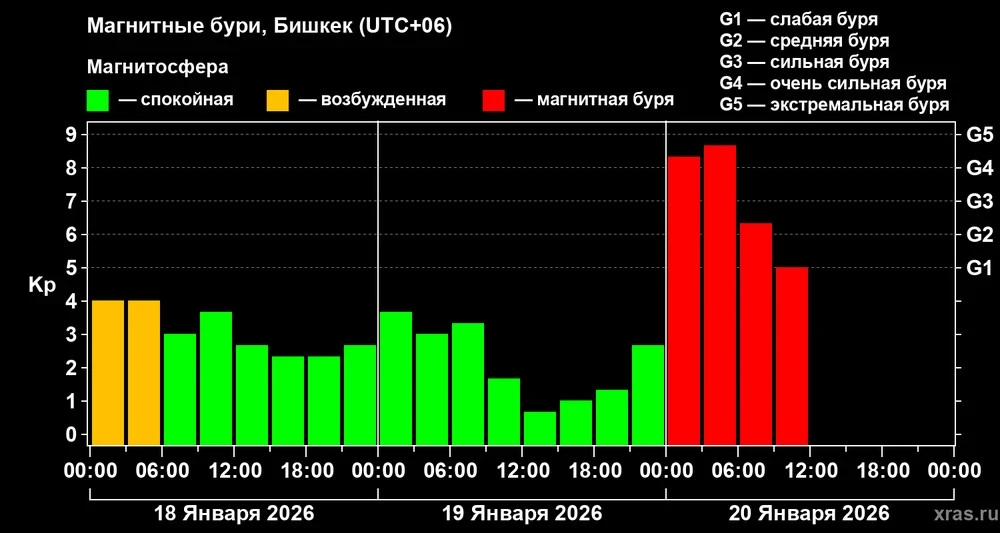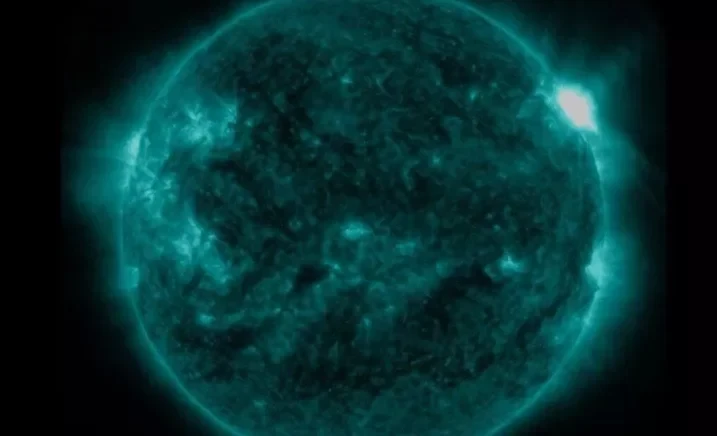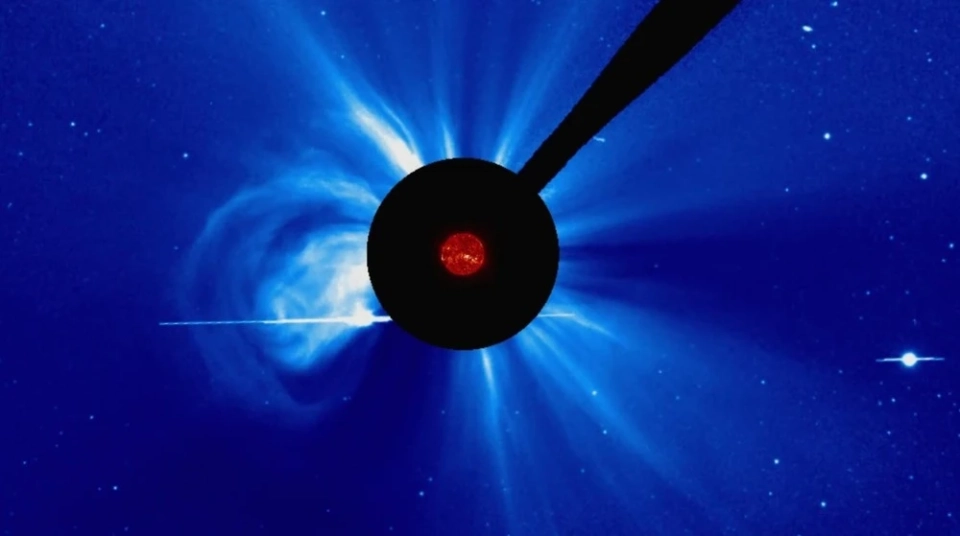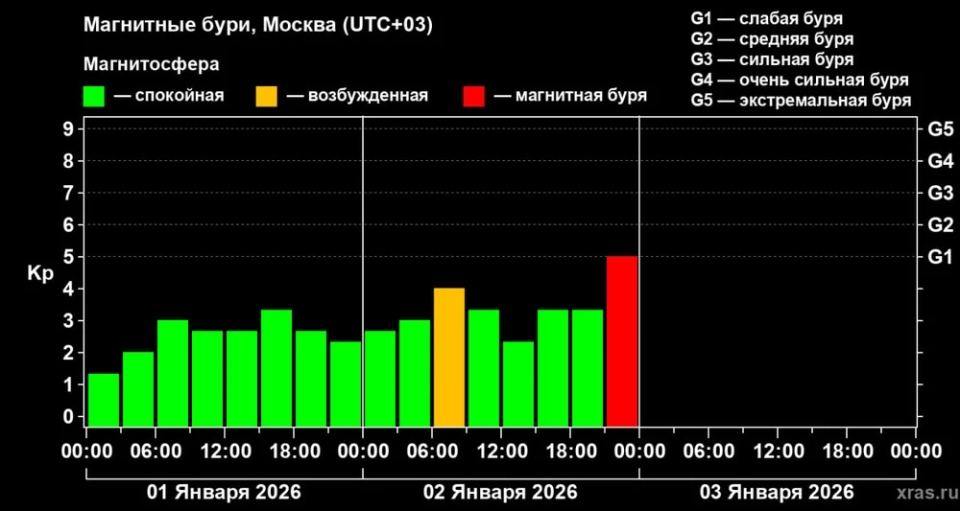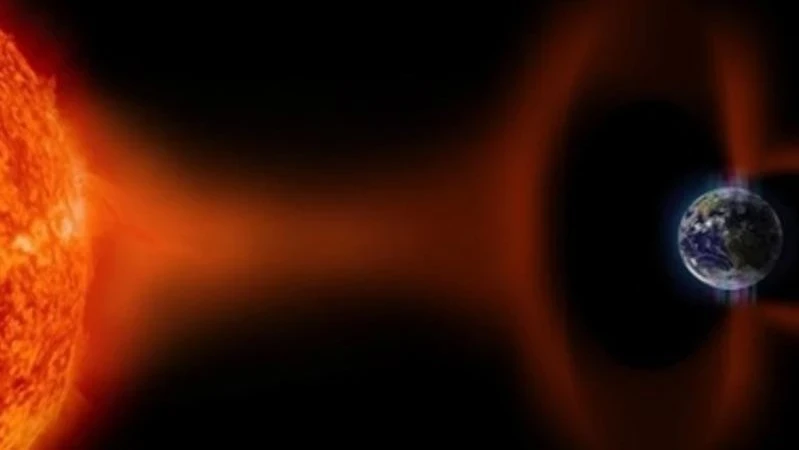
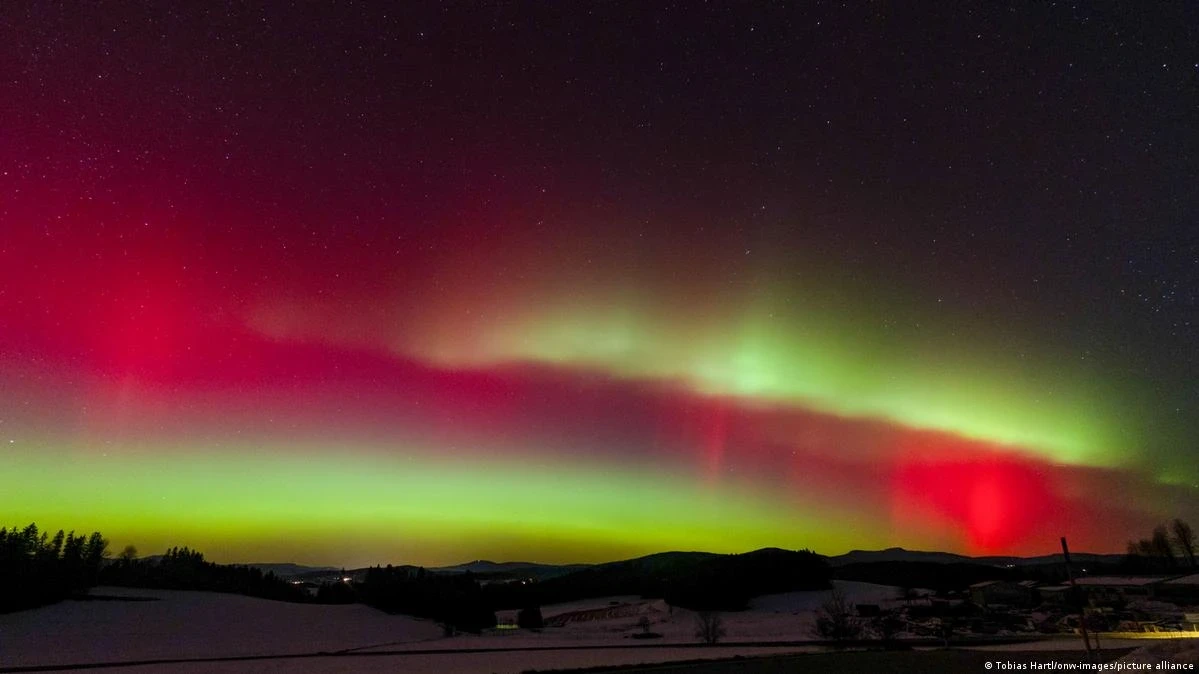
A recent solar flare resulted in the formation of a powerful cloud of charged particles that reached Earth in a record short time. This event triggered a G4 level geomagnetic storm, allowing residents in various parts of the planet to observe the northern lights in places where they are rarely seen.
According to the Spaceweather platform, the coronal mass ejection traveled from the Sun to Earth in just 25 hours, whereas it usually takes three to four days.
According to data from the Solar Astronomy Laboratory of the Institute of Space Research of the Russian Academy of Sciences, the magnetic field of the solar wind reached historic highs.

Experts warn that the "storm" will last at least another day, and a complete normalization of the geomagnetic situation is not expected for at least two to three days.
The northern lights were observed in various countries across Europe and North America, including regions where this phenomenon is extremely rare.

Theoretically, rare light effects may also be observed in some parts of Central Asia, especially in northern latitudes, if the weather is clear and it is nighttime.
Experts also warn of possible consequences, such as temporary disruptions in radio communication, degraded GPS performance, and increased load on satellite infrastructure.
Reasons for the rarity of this phenomenon
Geomagnetic storms occur after powerful solar flares with coronal mass ejections when a cloud of high-energy particles reaches Earth and impacts the magnetosphere almost head-on.

The G4.7 level refers to the international scale of geomagnetic storms by NOAA (USA), used to assess the impact of solar activity on the Earth's magnetic field.
The scale includes five levels:
- G1 — weak;
- G2 — moderate;
- G3 — strong;
- G4 — severe;
- G5 — extreme.
A rating of 4.7 indicates that the current storm is close to the extreme level G5. This is one of the strongest magnetic phenomena in recent years, causing global geophysical effects.