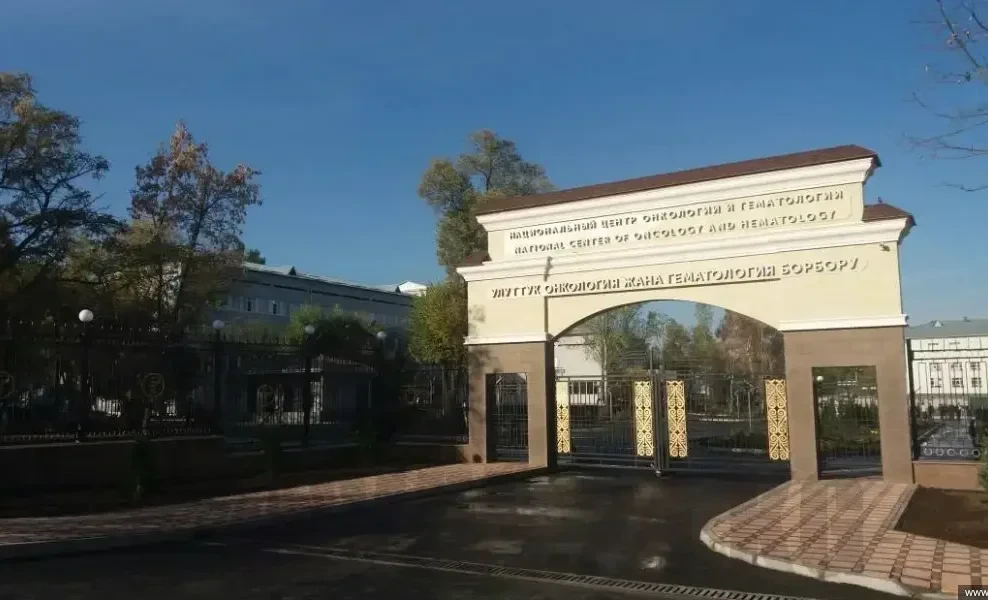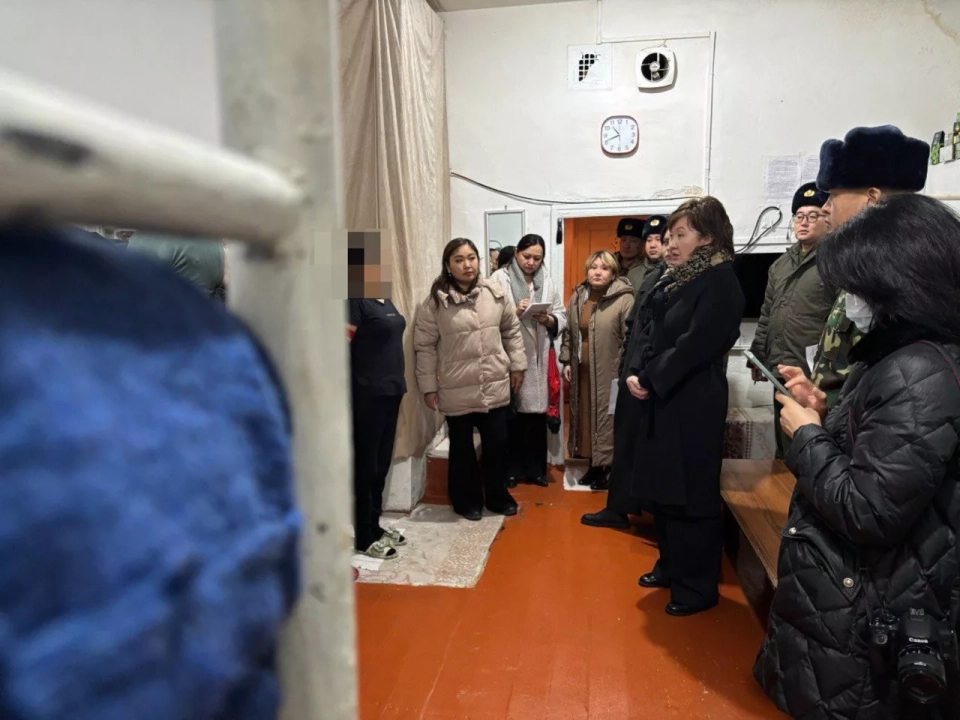
A recent monitoring conducted by the Institute of Akikatchy at the National Center for Oncology and Hematology, as well as in the pediatric oncology department of the National Center for Maternal and Child Health, revealed a number of systemic problems in the field of oncological care. The main shortcomings concern patient rights and directly affect the availability and quality of treatment, including a shortage of medications, equipment, and beds in hospitals.
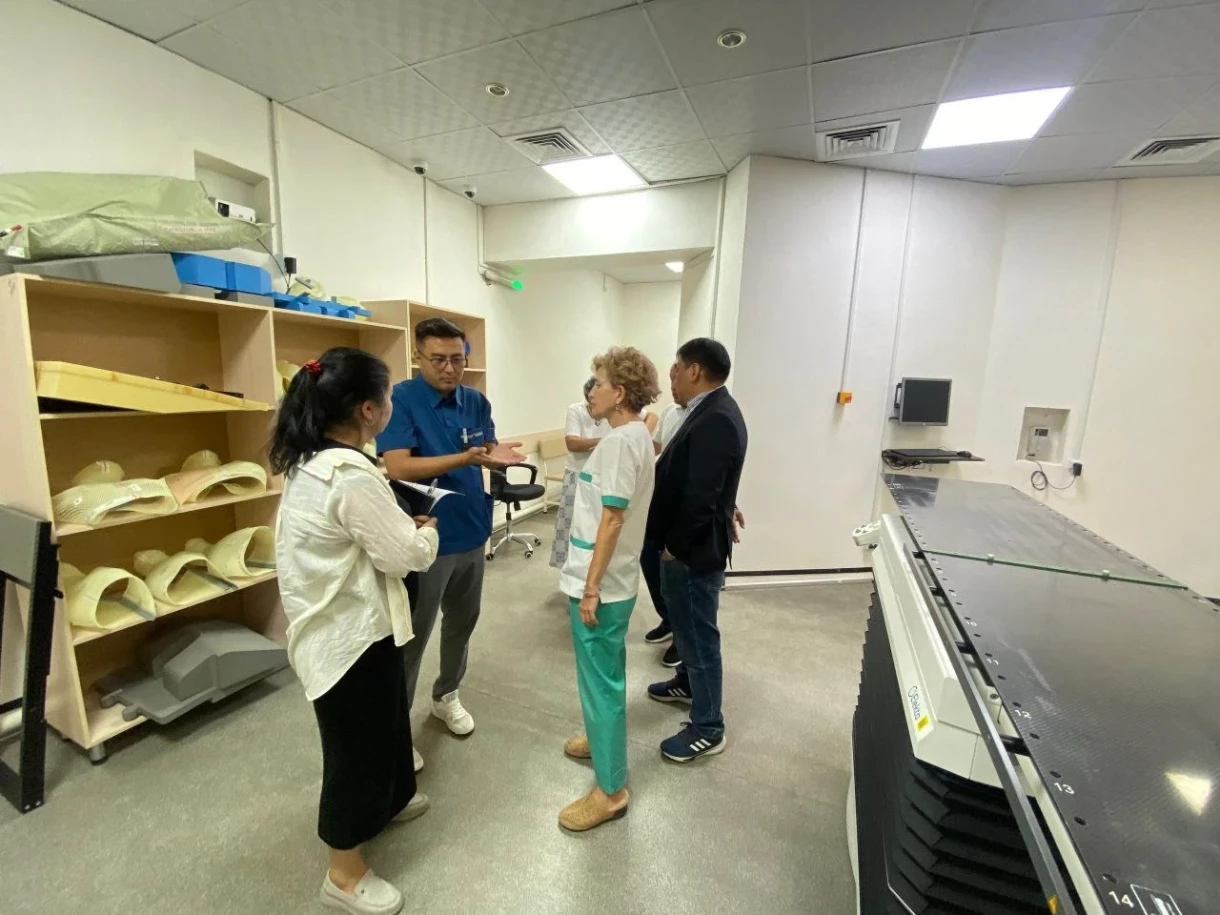
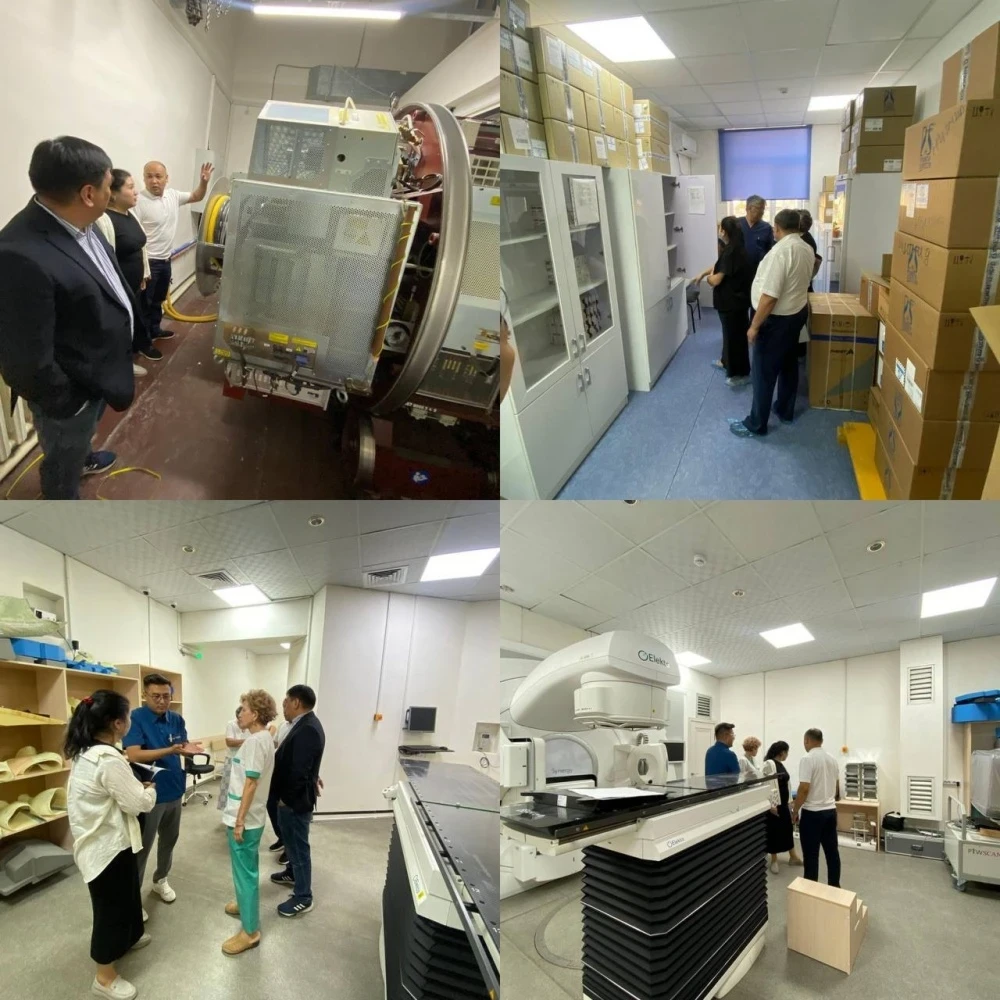
One of the most serious issues is the organization of radiation therapy. In August 2025, 34 patients were waiting to start treatment, as two out of three linear accelerators were out of order. Treatment was only being conducted on an outdated machine, forcing patients to wait from one to two weeks. Doctors warn that such delays can lead to a deterioration in condition. Linear accelerators are only available in Bishkek, so patients from all regions of the country have to travel to the capital. Even with full equipment capacity, the center struggles with patient flow. Over the past five years, only 25.6% of patients with newly diagnosed cancer received radiation therapy.
The situation is further complicated by a lack of immobilization devices for radiation therapy. During the monitoring, it was found that the department lacked thermoplastic masks, and part of the equipment was outdated. For children, special masks were not available at all, significantly narrowing the possibilities for adequate treatment.
There is also a serious problem with the provision of medications. The hospital lacked 80 essential drugs, and patients complain about the need to purchase expensive medications out of pocket. The reasons for this are related to delays in supplies and a lack of procurement from the state enterprise "Kyrgyzpharmacia." To fully support the oncology service, at least 2.5 billion soms are required.
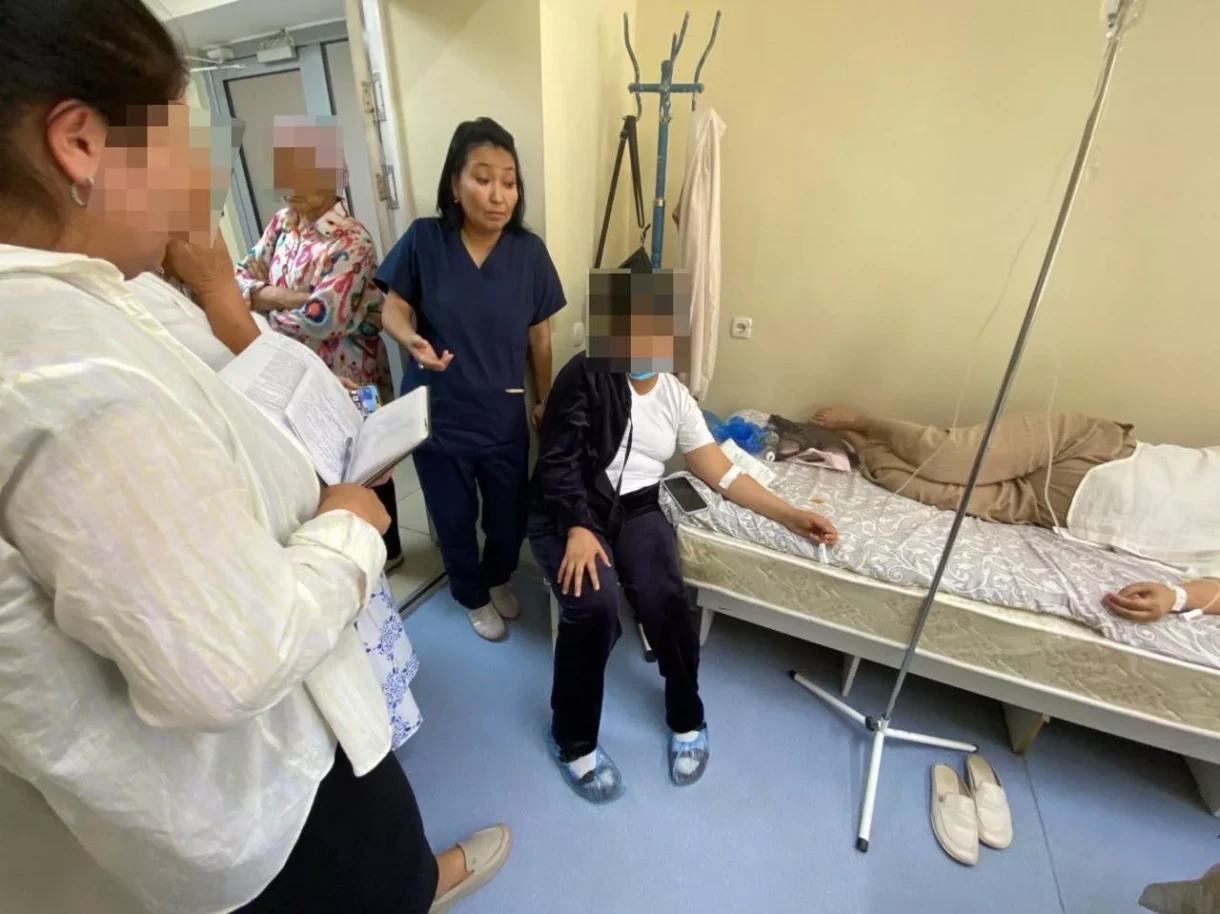
The infrastructure also needs attention. The hospital is overcrowded: there are two patients per bed, and some are receiving IV drips while sitting. At the time of the inspection, there were 325 patients in the center, while over 35,000 cancer patients are registered. The situation is even more complicated in the regions: in some places, only chemotherapy and simple surgeries are available, and there is not a single oncologist in the Naryn region.
Diagnostics remain a weak point. The center has only one ultrasound machine and one outdated mammogram machine manufactured in 2014. There is a shortage of angiographs, modern endoscopic, and laparoscopic systems. Under such conditions, it is extremely difficult to talk about full-fledged early diagnostics.
Particular attention is required for pediatric oncology. About 60 children were hospitalized. The number of new cases has significantly increased: previously, about 70 cases were recorded annually, but now there are more than 200. Doctors attribute this to both a real increase in incidence and improved diagnostics. However, there are cases of parents refusing treatment due to distrust of medicine and financial difficulties, as well as attempts to resort to alternative methods.
According to the center, funding for the oncology service does not meet real needs. From 2018 to 2024, about 3 million soms were allocated annually, but in 2024 the amount increased to 176 million, and in 2025 it will reach 800 million soms. However, approximately 4.5 billion soms will be needed for full operation.
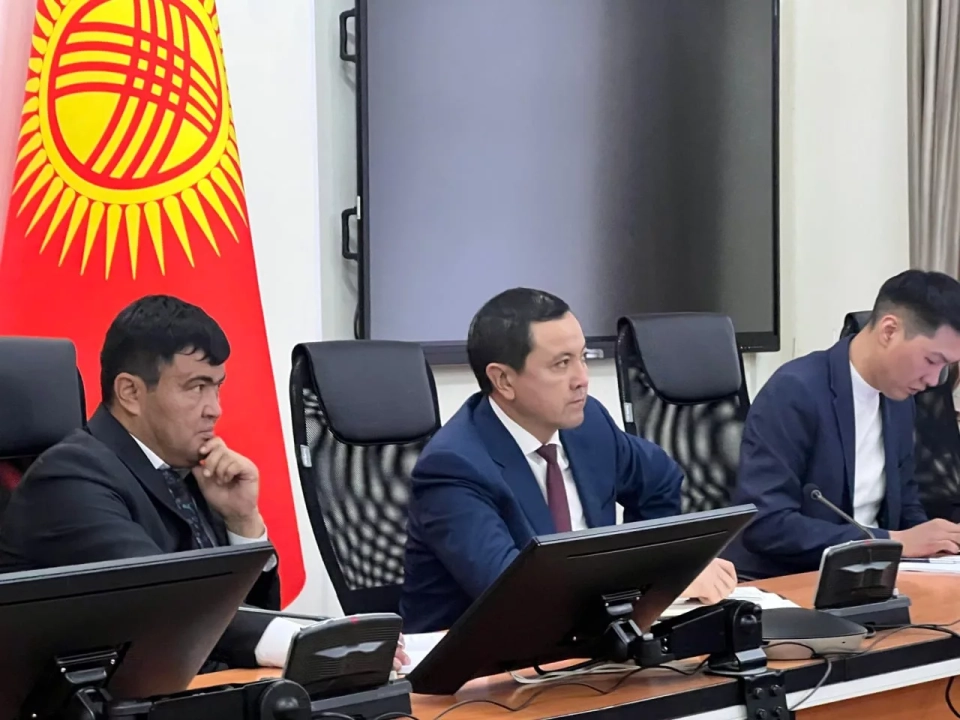
As a result of the monitoring, Akikatchy Jamilya Jamambaeva sent recommendations to the Cabinet of Ministers of the Kyrgyz Republic, the Ministry of Health, and other relevant authorities. Among the proposals are the development of a new strategy for the prevention and control of oncological diseases for 2025–2030, increased funding, a review of drug procurement procedures, allocation of funds for equipment maintenance, and strengthening social and psychological support for patients' families. The Institute of Akikatchy emphasizes that the situation requires urgent and systemic changes.