Currently, the following is known about the Nipah virus.
Hazards of the Nipah Virus
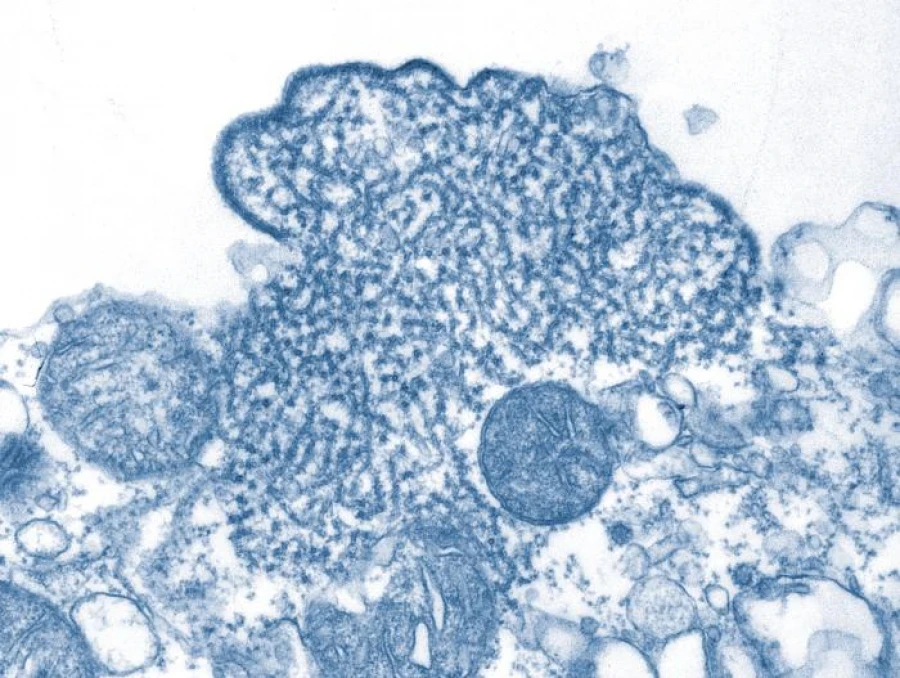
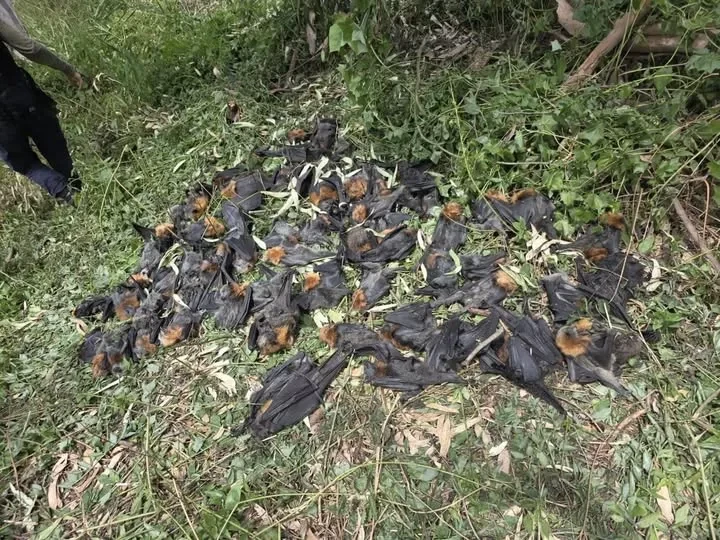
The Nipah virus is a zoonotic infection belonging to the Paramyxoviridae family. Its main carriers are bats.Transmission can occur:
- through contact with infected animals;
- via products contaminated with biological secretions;
- through close contact with infected individuals.
About 20% of those who have contracted the Nipah virus face long-term neurological consequences, including persistent seizures and personality changes. In some patients, encephalitis may develop even after recovery.
History of the Virus
According to WHO data, the virus was first identified in 1999 in Malaysia among pig farmers living near the Nipah River, which gave the disease its name. The infection was transmitted from pigs that could become infected by consuming dates contaminated with bat secretions.In 2004, the virus was also found in Bangladesh, where residents became infected by drinking palm sap containing bat secretions. Additionally, there have been cases of human-to-human transmission, including in Indian hospitals.
The last major outbreak occurred in 2008 in Bangladesh, where the mortality rate was about 38% among those infected.
In recent years, according to the BBC, the Indian state of Kerala has become a hotspot for the Nipah virus: in 2018, there were 19 reported cases, 17 of which ended in death, and in 2023, two out of six confirmed cases also turned out to be fatal.
Symptoms of the Disease
The Nipah virus can manifest in various forms, ranging from asymptomatic cases to severe encephalitis. The incubation period ranges from four to 45 days.Among the main symptoms are high fever, headache, cough, difficulty breathing, weakness, and in severe cases - loss of consciousness and seizures.
Preventive Measures
To minimize the risk of infection, it is recommended to adhere to the same precautions as during the coronavirus pandemic: avoid contact with infected individuals, wash hands frequently, and use masks and gloves.Additionally, it is recommended to:
- maintain personal hygiene;
- avoid contact with wild animals;
- not consume raw or poorly processed products;
- seek medical help immediately if symptoms appear.
Measures Taken in Kyrgyzstan
According to information received on January 26 from the Ministry of Health of Kyrgyzstan, there are currently no registered cases of the Nipah virus in the country. The agency emphasized that the situation is under the control of sanitary and epidemiological services.To prevent the possible importation of the infection, sanitary control measures at the border have been tightened. Checkpoint staff monitor the health of arrivals and conduct sanitary inspections of vehicles.
Medical institutions have been instructed on early detection and isolation of patients, as well as on conducting anti-epidemic measures.
The Ministry of Health maintains constant communication with the WHO and international partners to exchange information and coordinate preventive actions, emphasizing that there is no cause for panic. The healthcare system is prepared for a rapid response to potential threats.
Temporary restrictions have also been imposed in Kyrgyzstan on the import of animals from India and animal products at risk of Nipah virus infection.
Current Forecasts
According to RIA Novosti, the risk of the Nipah virus spreading beyond India is currently considered low, and the WHO is closely monitoring the situation.Indian authorities assure that the outbreak has been localized.
Illustration on the main page: msn.com.