The current risk of the Nipah virus spreading beyond India is assessed as low, according to information provided by RIA Novosti from the Russian office of the World Health Organization (WHO).
The organization's office noted that they are closely monitoring the situation regarding two confirmed cases of infection in West Bengal.
“Both patients are isolated, and extensive contact tracing has been carried out. Nearly 200 people who came into contact with them have tested negative. Based on current information, WHO considers the risk of further spread of the infection, including beyond India, to be low,” they reported to the agency.
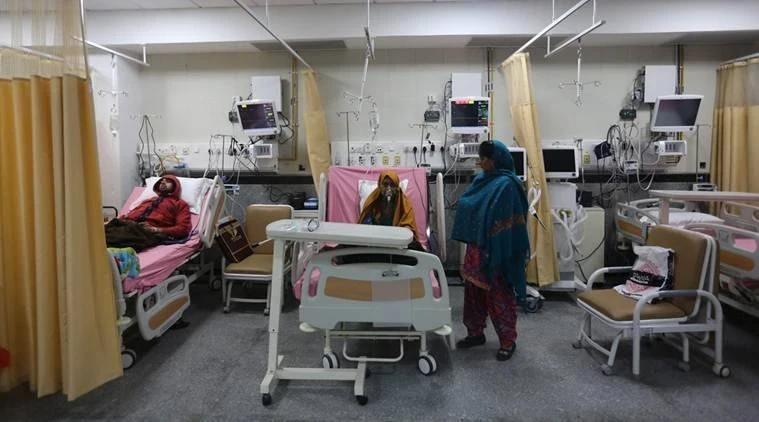
The events unfolded as follows: in mid-January, the authorities of the Indian state of West Bengal reported two cases of medical workers infected with the Nipah virus. These individuals are in the Barasat hospital where they work and have been placed in isolation connected to a ventilator. Despite reports from Western media about a possible increase in cases, Indian authorities have not recorded any new instances of virus transmission.
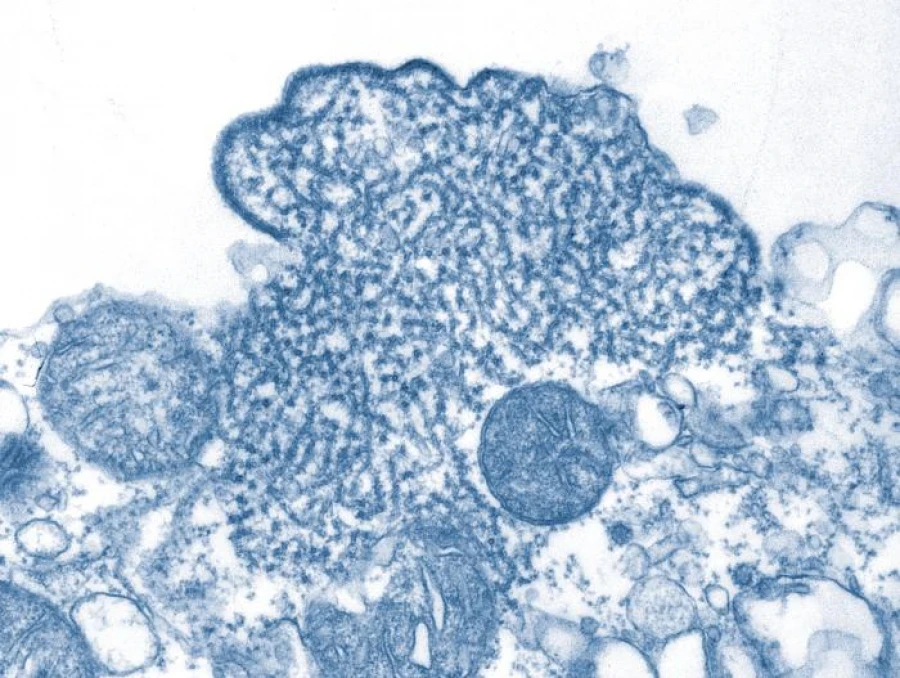
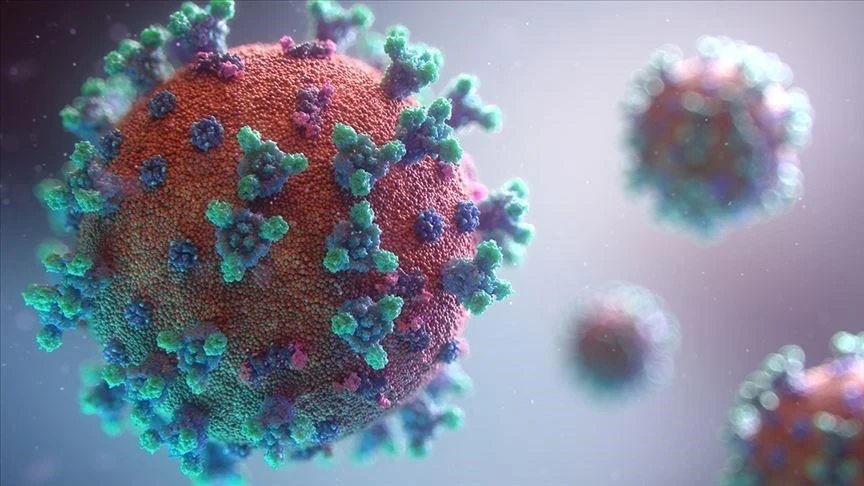
WHO classifies the Nipah virus as one of the most dangerous, as there are currently no drugs or vaccines against it. The virus causes fever and encephalopathy, leading to damage and death of brain cells, with a fatality rate ranging from 40 to 75%. The main carriers of the virus are flying foxes and bats, and human infection typically occurs through the consumption of fruits that have been contaminated with the saliva of infected animals. The virus can also be transmitted through domestic animals. However, Nipah is not transmitted through the air and requires direct contact with the biological fluids of the infected.