The National Bank, as the main financial regulator of the country, is taking active measures to curb such fraudulent schemes. In this material, we will examine the innovations and their significance for everyone who uses bank cards and the internet.
In 2025, the NB KR implemented a number of new regulatory initiatives that have already yielded tangible results in the fight against fraud in the financial sector.
Responsibility for Data Transmission
Since the beginning of the third quarter of 2025, the National Bank has mandated commercial banks to include in their public offers and contracts a mandatory condition, prohibiting the transfer of bank card details, logins, and passwords for remote banking services, as well as electronic wallets to third parties.Now banks are required to clearly specify this requirement in their documents. A user who transfers their data to a third party will bear full responsibility for their actions.
It is also worth noting the videos produced by the National Bank that address fraud issues and are published on social media. Commercial banks also post these materials on their websites and in branches, helping clients better understand how to respond to fraudulent actions.
Mandatory Anti-Fraud Systems
In 2025, a requirement for the implementation of anti-fraud systems in all banks, microfinance, and payment organizations was officially approved in Kyrgyzstan.This is not just a formality, but real systems that:
- track suspicious transactions;
- assess risks;
- block fraudulent actions before money is withdrawn.
Additionally, new documents were adopted to enhance the security of financial operations and protect consumer rights:
- The Regulation "On Minimum Requirements for the System to Counter Internal and External Fraud in Microfinance Organizations of the KR" dated September 15, 2025;
- amendments to the rules for managing operational risk in banks and the Instruction for working with bank accounts;
- The Regulation "On Minimum Requirements for the System to Counter Fraud in Payment Organizations" dated October 31, 2025.
Collective Efforts in the Fight Against Fraud
An important step was the establishment in September 2024 of an interagency working group that included representatives from the National Bank, the Ministry of Internal Affairs, the State National Security Committee, relevant government agencies, as well as commercial banks and internet providers.Experts from this group are working on creating a centralized anti-fraud platform that will complicate fraudulent schemes and protect citizens from deception.
Self-Ban on Loans as a Protective Measure
In 2024, about 15,000 Kyrgyz citizens fell victim to fraud, losing a total of 2 billion soms. The issue of protecting banking data was actively discussed in the Jogorku Kenesh, leading to an initiative by deputies to introduce a self-ban on lending, which was signed by President Sadyr Japarov.The Law "On Banks and Banking Activities" was supplemented with a new clause requiring credit organizations:
- to inquire with credit bureaus about the existence of a self-ban for the client;
- to refuse lending if such a self-ban exists.
All credit agreements made in violation of these requirements are considered invalid.As of November 1, 2025, the self-ban mechanism on lending was launched in Kyrgyzstan, allowing citizens to protect themselves from unjustified loans and fraud. As of February 20, 2026, more than 192,000 citizens have used this service and are now protected from risks.
Financial Literacy Training
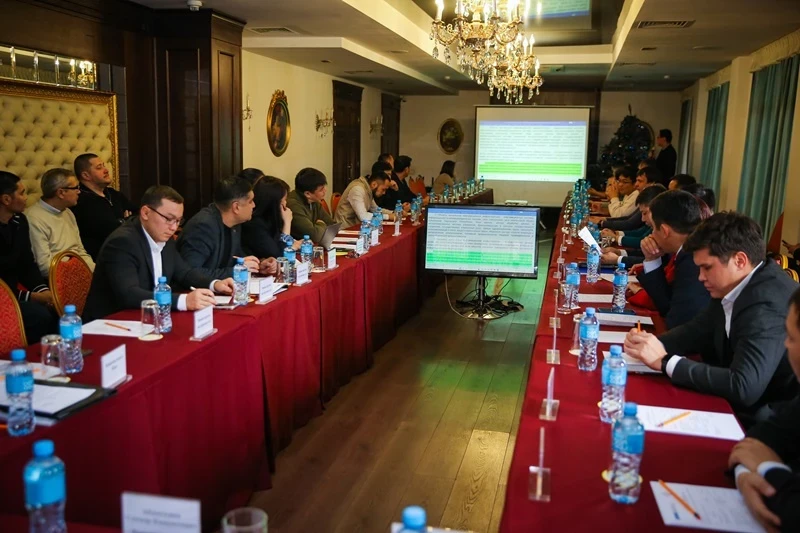
In December 2025, the National Bank organized a roundtable dedicated to technologies for combating fraud and cybersecurity in the financial sector. The aim of the event was to develop mechanisms to protect citizens and enhance their digital literacy.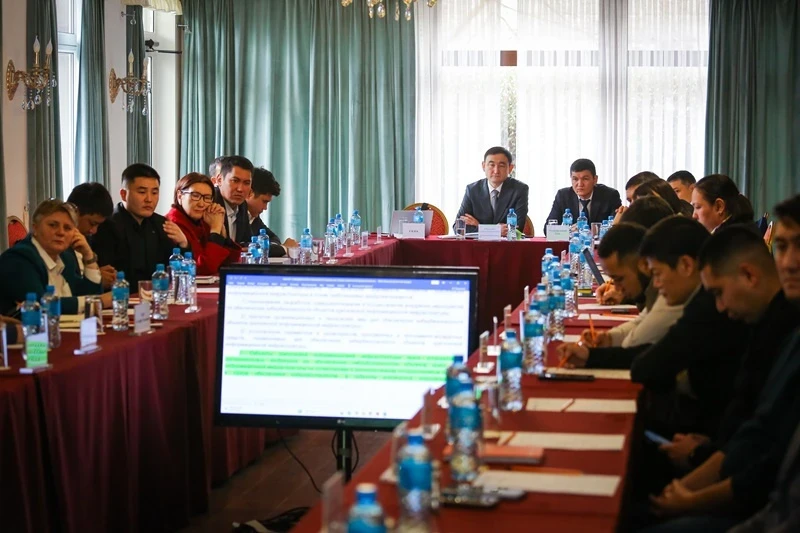

The discussion of the problem of internet fraud continues actively at the level of government and law enforcement agencies, as well as in the financial sector and among active citizens.
Various tools are being considered to improve cybersecurity, enforce requirements for anti-fraud systems, and incorporate the basics of financial security into school educational programs.
It is important to keep track of developments in the topic of cyber fraud, as scammers continue to use new techniques — they call via WhatsApp, write in Telegram, and send fake links. Users should be aware of the available tools to combat fraudsters.
Further Actions of the National Bank
The National Bank continues to analyze new laws and government regulations related to the fight against fraud in the banking sector and transfers.On January 21, 2026, a special document No. 2026-P-39/3-2-(NPA) was issued, which changes the rules mandatory for banks.
It is prohibited to transfer your logins, passwords, and access to online banking to third parties; otherwise, you will be held responsible, including criminal liability.