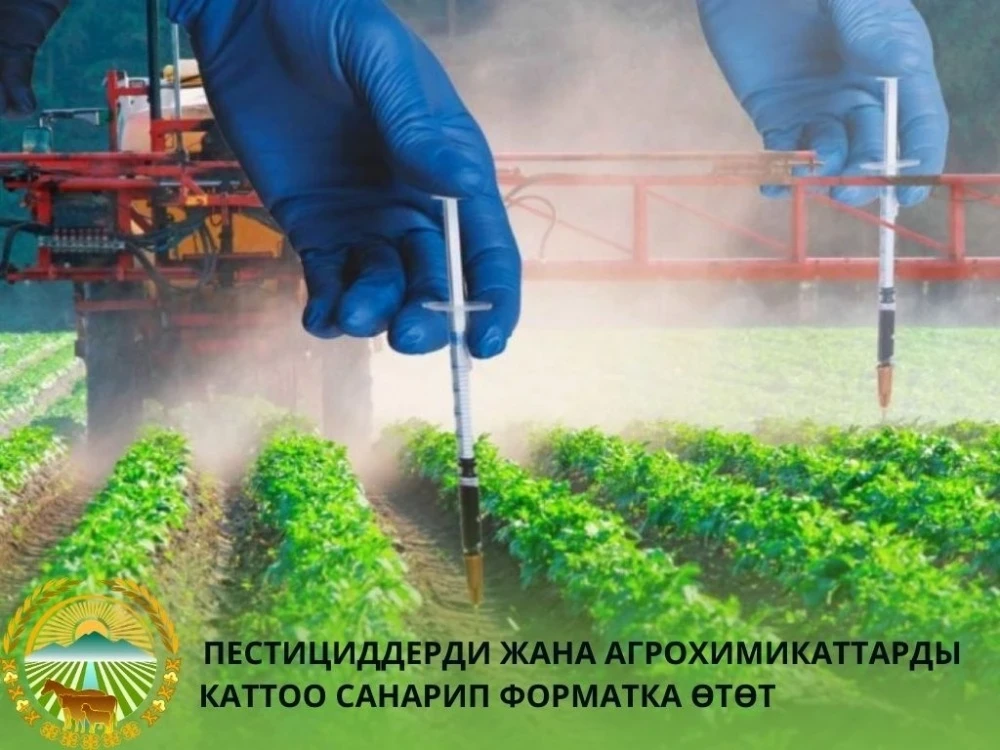
It is proposed to amend the law on consumer protection and the Code of the Kyrgyz Republic on offenses. In particular, a new clause is planned to be added to the first article concerning information about goods (works, services). This clause will require sellers to place certified organic products in specially designated areas and inform customers about this. For online trading, a requirement will be introduced to create a separate section on the website for these products.
Additionally, amendments are proposed to the Code of the Kyrgyz Republic on offenses concerning penalties for violations of consumer rights. The deputy suggests establishing fines for the absence of designated areas for certified organic products: 5,000 soms for individuals and 20,000 soms for legal entities. Fines will also be introduced for the absence of a separate section on the website for online trading — 3,000 soms for individuals and 15,000 soms for legal entities.
Note:
According to the law on organic production, producers are required to follow a number of rules:
1) the use of exclusively healthy animals and plants, as well as safe animal and plant products;
2) organic production without the use of synthetic chemicals, pesticides, antibiotics, and hormones, except for permitted substances approved by state authorities;
3) a ban on chemically synthesized additives not included in the list of permitted substances;
4) the absence of GMOs and products produced using them;
5) a ban on hydroponic methods using chemicals not included in the permitted list;
6) a ban on ionizing radiation when processing organic products, feed, and raw materials;
7) maintaining soil fertility;
8) minimizing the use of non-renewable resources;
9) recycling waste and by-products for use in agriculture;
10) ensuring ecological balance;
11) protecting plants using traditional varieties and biological control methods;
12) applying mechanical and physical methods of plant protection;
13) caring for animal health by stimulating natural immunity;
14) breeding animal species considering their adaptation to local conditions;
15) organic production using animals raised under the same conditions;
16) feeding animals only organic ingredients unless otherwise provided by the rules;
17) preserving the biological diversity of aquatic ecosystems;
18) creating buffer zones to protect against pollution.